

Are you a local small business frustrated by slow sites, poor leads, or paying separate vendors for design and search traffic that don’t coordinate? You’re not alone: many owners hire a designer for looks and an SEO for traffic, then watch both teams redo work. This guide on seo and website design shows why hiring a single local firm that combines both can save time, reduce cost, and get measurable results.
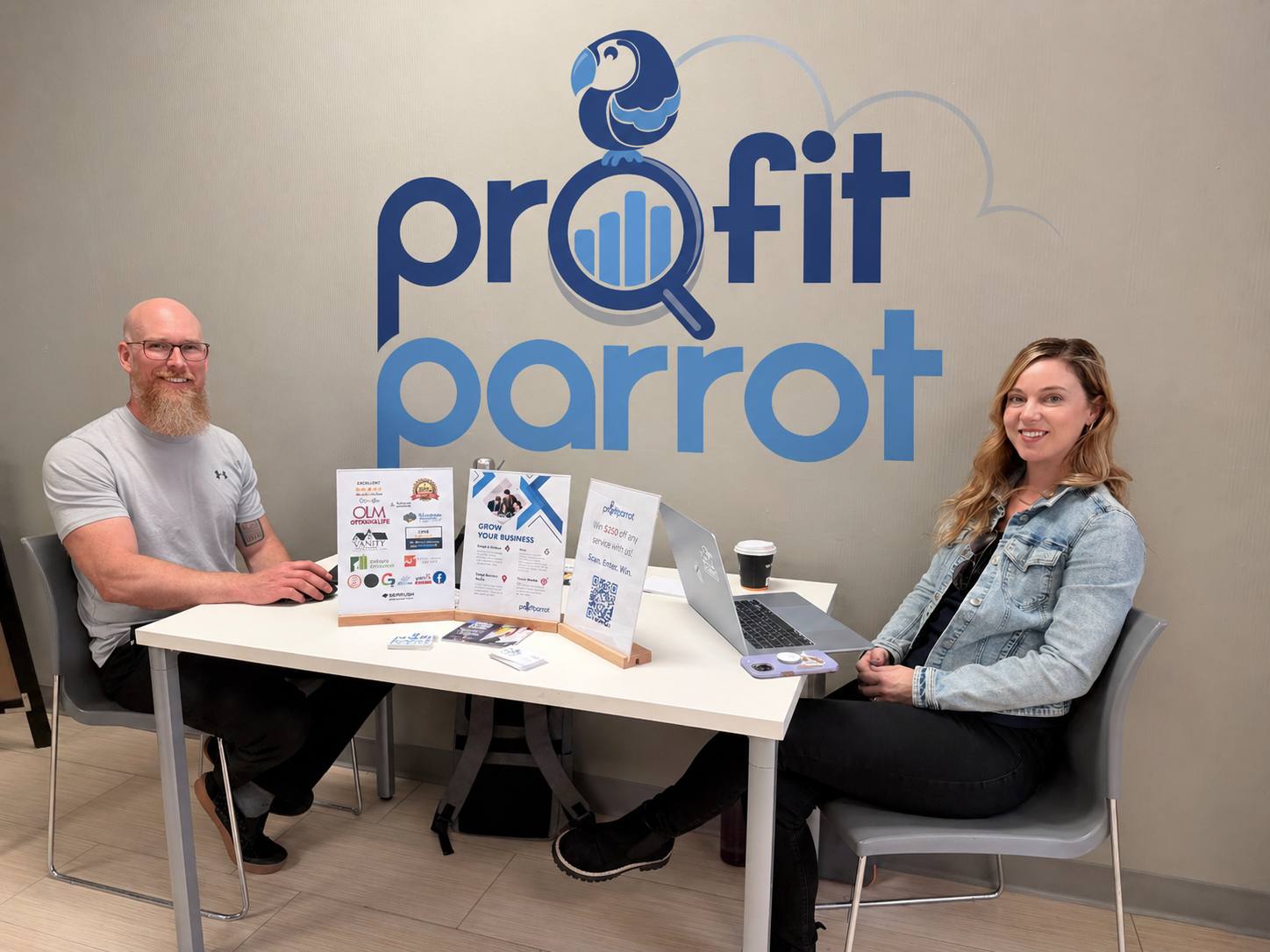
You’ll get a practical checklist you can use on vendor calls, a short script of interview questions, a sample timeline with deliverables, and the proposal clauses you should insist on. If you want a local partner who focuses on small businesses, Profit Parrot can help—request a free consultation or compare the items below before you call.
✓ Quick Answer
SEO and website design combines search engine optimization with site architecture, content, and UX to make pages discoverable and convert visitors. For local businesses, it means building fast, mobile-friendly sites with local schema, optimized pages and clear navigation so search engines and customers can find you and act.

When a local team designs with SEO in mind from day one, you avoid costly rework such as moving content blocks, redoing URLs, or rebuilding navigation to match keyword intent. For example, a plumber who planned service pages around local intent saw faster indexing after the site launched because headings, URLs, and schema were in place at launch.
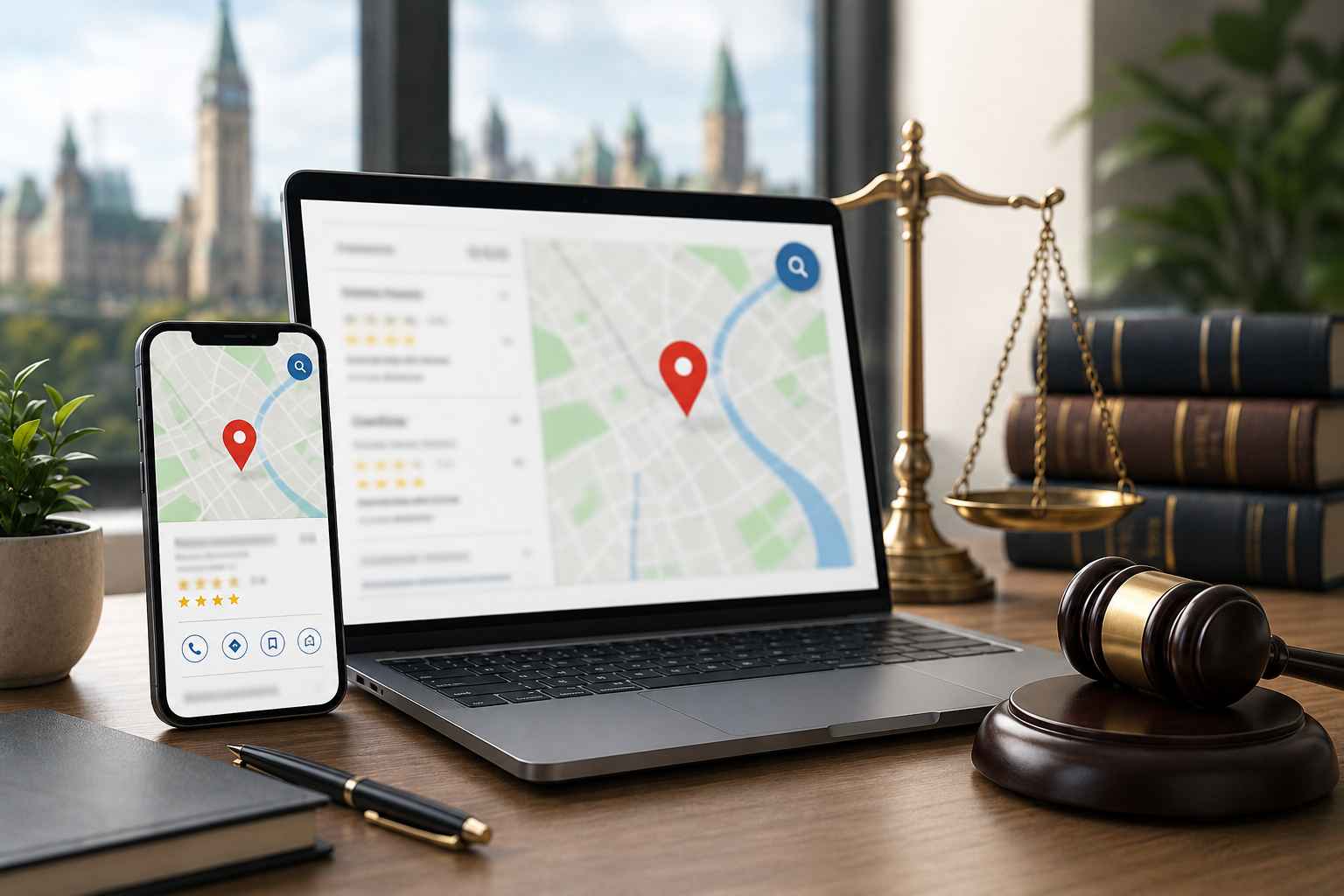
For local SEO the practical wins include correct local schema, consistent name/address/phone across pages, and a Google Business Profile that matches your site. Those pieces reduce friction between discovery and contact, so you see faster time-to-visibility and better conversion paths. If you want examples of how this works in a compact project, check our SEO Services page to see how we present deliverables to small clients.
Start by checking portfolios for measurable SEO results, not just attractive visuals. Ask for before/after screenshots of rankings or traffic, and request a brief explanation of which design choices supported those results. Use the checklist below to shortlist vendors quickly.
💡 Pro tip: Ask vendors for one recent project where design choices were explicitly driven by SEO data (keyword intent or analytics) and request before/after metrics for traffic or rankings.
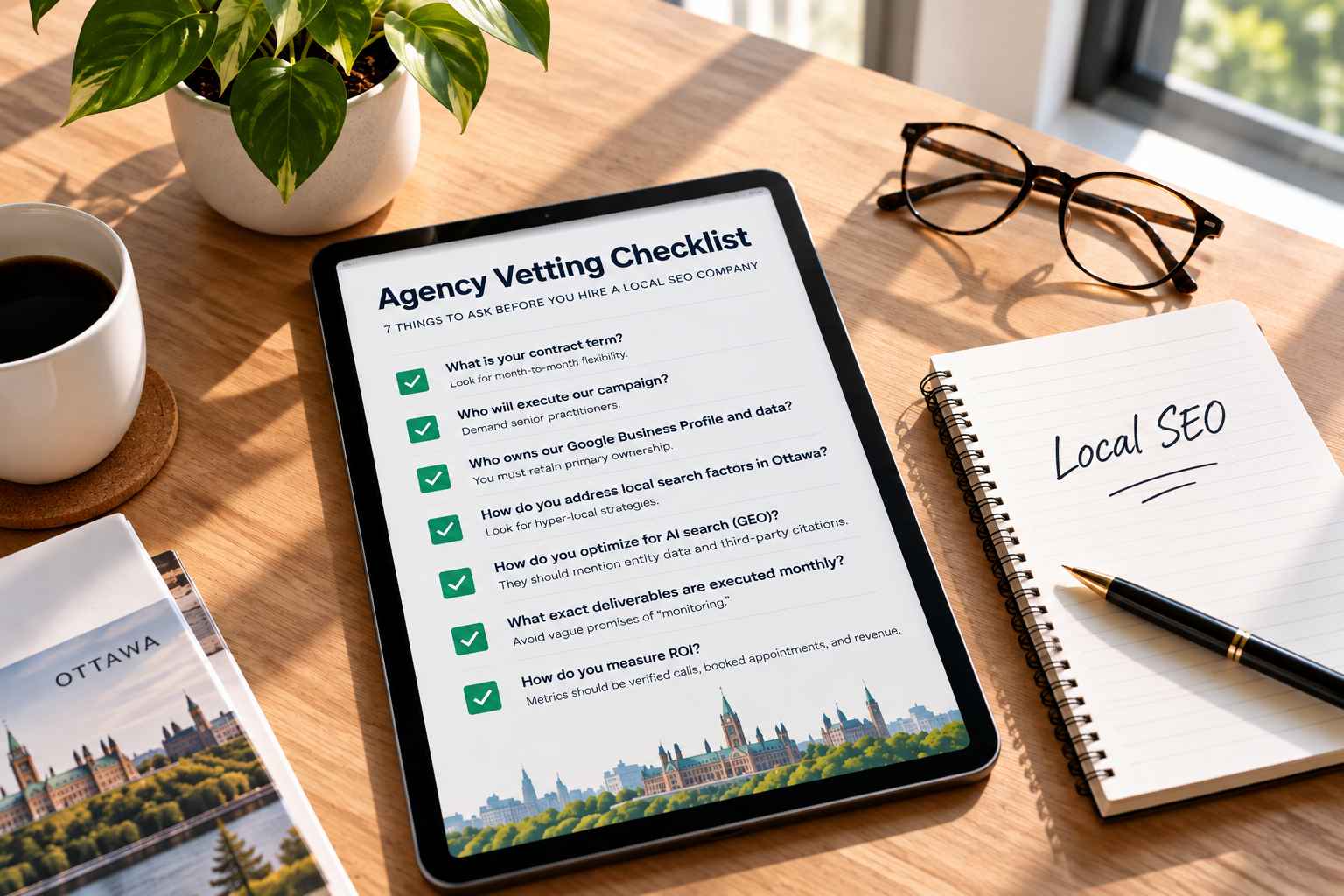
Ask these brief questions during an initial call and listen for specifics rather than promises: 1) How do you measure page performance after launch? 2) Who owns content edits and schema markup? 3) What local signals do you build into each page? Good answers mention tools, examples, and a clear handoff plan.
| What to check | Good sign | Red flag |
|---|---|---|
| Portfolio with SEO results | Rankings screenshots, traffic charts, brief case notes | Only visual screenshots with no metrics |
| Process description | Clear audit → design → content → launch steps | Vague timelines and no audit |
| Pricing transparency | Line items for content, tech fixes, hosting | Single lump-sum with no scope |
| Local experience | Examples of local listings and schema work | No local examples or map work |

A realistic combined project runs in phases: discovery, design and content, build with technical SEO, then launch with immediate indexing and measurement. Below is a compact 3–6 month example timeline you can expect for a small business site when the client provides timely content and approvals.
Discovery should include a technical audit and a content plan before any wireframes. During build, vendors should have speed and mobile budgets. After launch, expect an initial 4–12 week optimization period focused on indexing, monitoring, and targeted outreach.
⚠️ Warning: Avoid signing contracts with vague milestone dates; require milestones tied to measurable SEO actions like content publish dates, indexing checks, and acceptance criteria for load speed.
| Phase | Key deliverables | Approx duration |
|---|---|---|
| Discovery | Audit, sitemap, keyword map | 1–2 weeks |
| Design & Content | Wireframes, templates, content plan | 4–6 weeks |
| Build & Technical SEO | Dev, speed tuning, schema | 2–4 weeks |
| Launch & Optimization | Indexing, tracking, outreach | 4–12 weeks ongoing |
Pricing models fall into three common buckets: fixed project, retainer, and hybrid. What changes cost is scope: the number of pages, custom templates, content writing, technical fixes, and ongoing link building. When you get a proposal, ask for line items so you can compare apples to apples across vendors.
Important proposal clauses to request: specific deliverable deadlines, reporting cadence, ownership of content and code, and an exit plan that hands over analytics and site access. If a vendor refuses to put these in writing, treat that as a negotiation point.
Sample RFP questions to include: “Who owns the CMS content after launch?”, “How will local schema and GBP be handled?”, and “What reporting will I receive each month?” A clear answer includes examples of past reports and a regular review cadence rather than vague promises.

A strong first 90-day onboarding clarifies responsibilities and sets measurement baselines. The vendor should deliver a technical audit, an initial content plan, tracking setup in analytics and Search Console, and a simple KPI dashboard that you can read each month.
📌 Key takeaway: Set clear KPIs with timeframes (organic traffic, local rankings, leads) and require monthly reports for the first 6 months to ensure momentum and accountability.
Talk to a local team that builds search-friendly sites and measures what matters: leads, calls, and visits.
Quick answers to common questions about SEO and website design for local businesses.
SEO in website design means building structure, content, and technical settings so search engines can find and rank your pages. Layout, navigation, and site speed all affect visibility. Practical examples include mobile-first templates, structured data for local business details, and fast image handling. Action: ask vendors how they include SEO tasks in discovery and early wireframes.
The 80/20 rule for SEO means focus on the 20% of pages or keywords that deliver 80% of traffic and conversions. Start by identifying top-performing pages, optimize titles, headings, and content for intent, then expand. Practical step: run a quick analytics check this month to list your top five pages and prioritize them for content and speed improvements.
Yes, website design directly affects SEO. Key design factors include page speed, mobile UX, and a crawlable structure. If a site hides content behind images or slow scripts, search engines and users both lose. Tip: require mobile-first builds and a speed budget in proposals to avoid common design pitfalls.
SEO aims to get traffic and visibility; web design focuses on usability and appearance. They overlap on on-page content, technical structure, and user experience. Action: ask vendors how they split responsibilities—who handles schema, who updates content, and who monitors rankings after launch.
Overview: discovery, technical fixes, on-page content, link-building, and monitoring. Steps: 1) Run a site audit and list critical fixes; 2) Prioritize top pages by value and optimize them; 3) Publish a content plan focused on local intent; 4) Claim and optimize local listings; 5) Review results monthly and adjust. Next step: schedule a short audit or vendor interview to get a baseline.