
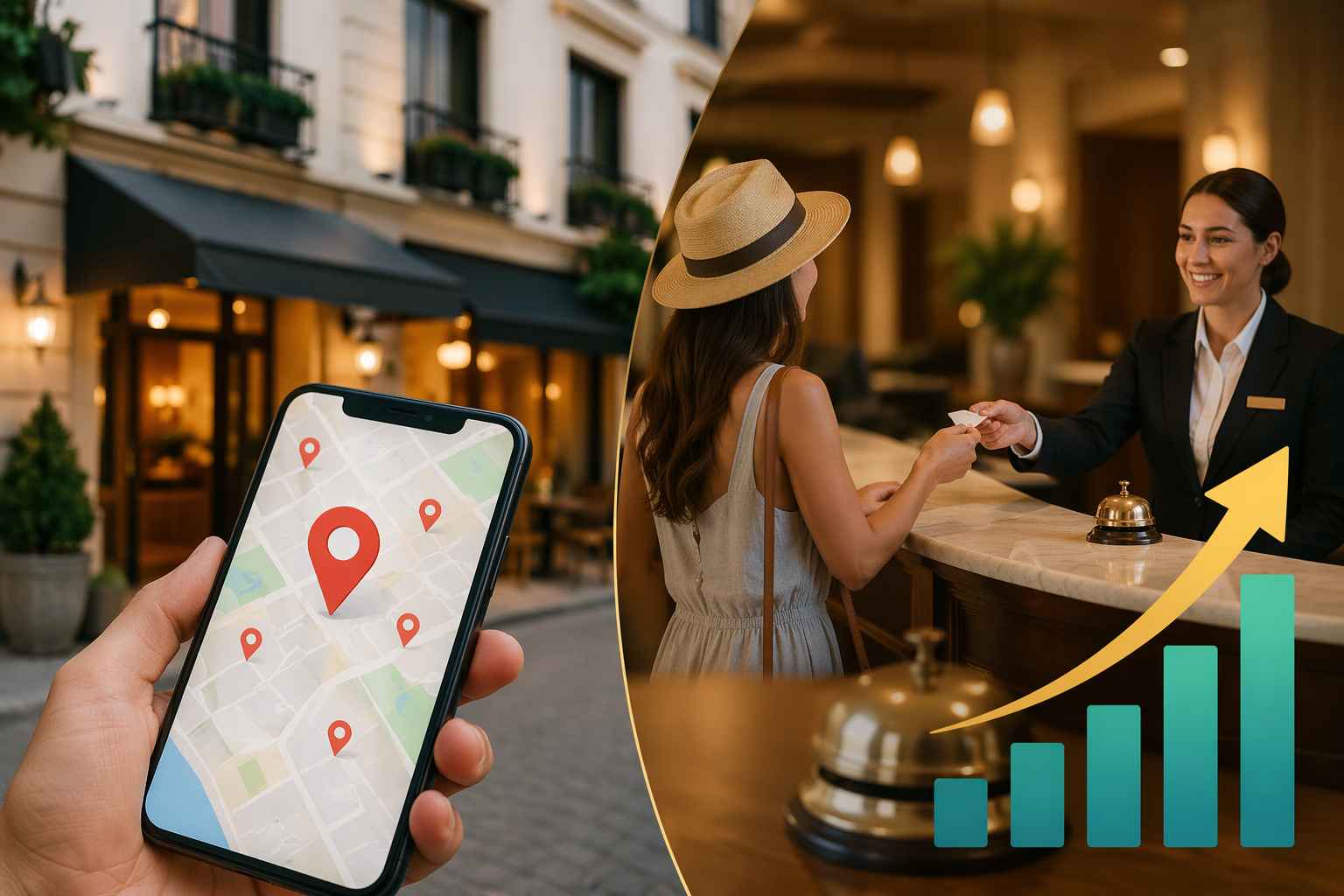
The hospitality sector is experiencing a massive shift in how customers discover and book their next dining experience or weekend getaway. In the past, foot traffic, traditional advertising, and word-of-mouth recommendations were usually enough to keep tables full and rooms booked. Today, the digital landscape dictates exactly where consumers choose to spend their money. Many cafes, boutique hotels, and restaurants have grown heavily reliant on third-party booking platforms and delivery applications to drive daily reservations.
While these external platforms offer a burst of immediate visibility, their steep commission fees significantly cut into tight profit margins. To achieve sustainable, long-term growth, hospitality businesses must reclaim control of their customer acquisition channels. The most effective way to accomplish this is by mastering local search visibility and drawing guests directly to your own digital front door.
Consumer search behaviour has permanently changed over the last few years. Instead of defaulting immediately to large online travel agencies or global food delivery aggregators, many people now prefer to search directly for venues in their immediate geographical area. Whether someone is looking for a nearby artisan coffee shop, a family-friendly pub, or a luxury coastal retreat, the journey almost always begins with a mobile search engine. When venue owners invest in targeted SEO for hospitality, they lay the critical groundwork needed to capture these highly motivated local searchers.
To capture this highly motivated audience, your online presence must be completely flawless. Recent industry data from Hotel Technology News highlights this exact trend, showing that 36 percent of travellers now start their accommodation research via search engines, which is a significant jump from previous years. Furthermore, over half of these users will abandon their booking entirely if the online user experience is poor. This proves that merely existing online is no longer enough. Your digital touchpoints must be thoroughly optimised to provide a seamless transition from local discovery to a confirmed direct booking.
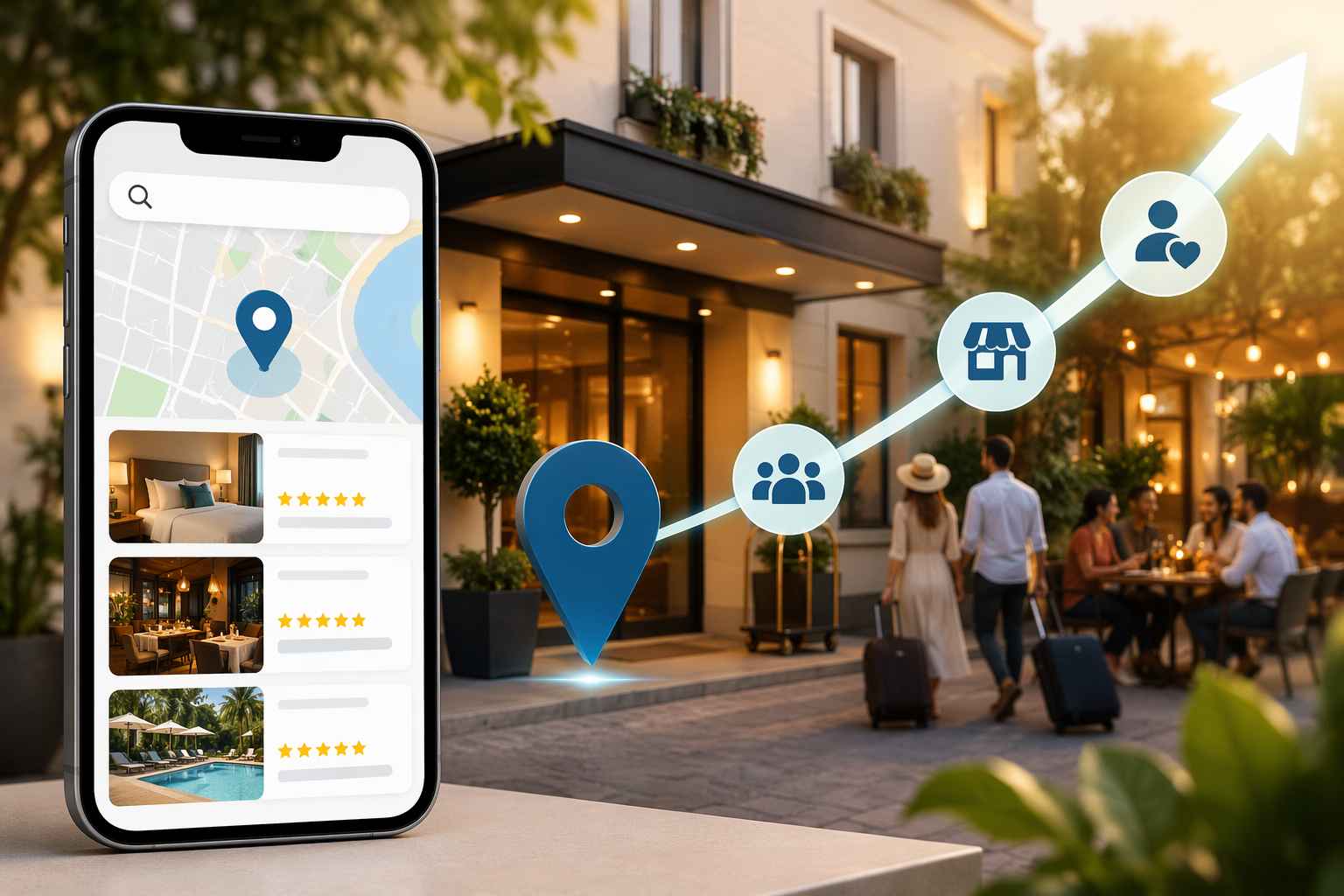
One of the greatest financial challenges facing the modern hospitality industry is the deep reliance on external booking platforms. Online travel agencies and food delivery applications often charge staggering commissions ranging from 15 to 30 percent per transaction. Over time, these recurring fees severely limit a venue’s ability to reinvest in staff training, interior renovations, or local marketing campaigns.
By focusing intensely on organic search visibility, venues can successfully intercept potential guests before they turn to these third-party aggregators. This strategic approach ensures that when a potential guest searches for specific local amenities, such as a pet-friendly cafe or a hotel with ocean views, your website appears as the most authoritative destination. Cultivating this direct relationship not only boosts immediate revenue by saving on commission costs, but it also allows you to own the valuable customer data. Having direct access to guest contact information and booking preferences paves the way for highly personalised email marketing campaigns, seasonal promotions, and repeat visits down the line.
Securing top placement in local search results requires a deliberate, ongoing effort. The “near me” search intent is incredibly competitive. Search engines prioritise relevance, distance, and prominence when serving results to users who are currently on the go.
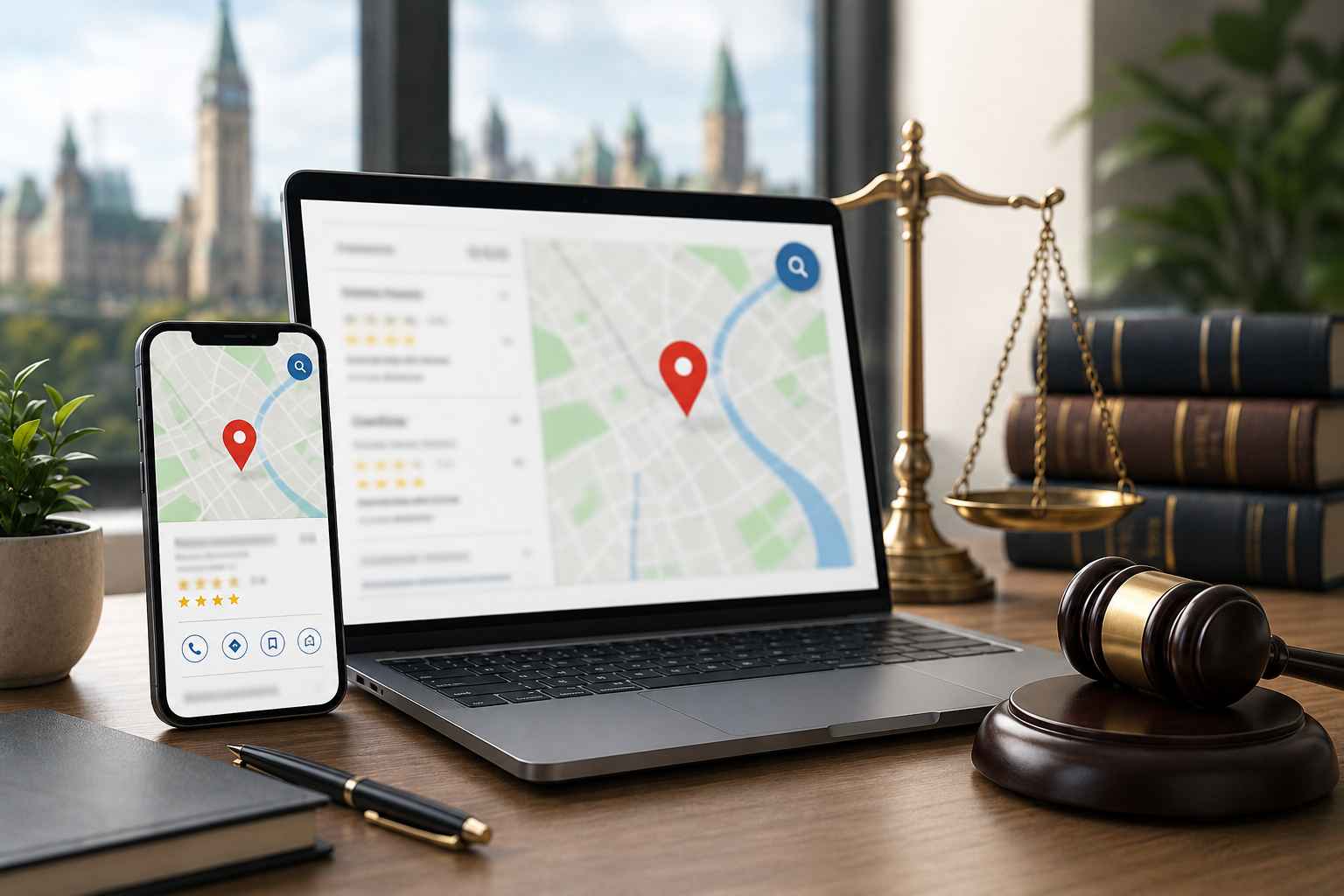
Before combating third-party commission fees, you must ensure your digital storefront is highly visible to local searchers. A critical foundational step is investing in comprehensive Google Business Profile management to secure a lucrative spot in the local map pack. This ensures your venue appears front and centre right when customers are actively making booking decisions.
To dominate local search results, venues should focus on a few core pillars:
For hospitality brands looking to thrive in an increasingly competitive market, relying solely on expensive third-party platforms is no longer a viable long-term strategy. By prioritising local search optimisation, venues can attract high-intent customers directly to their own platforms. This shift protects precious profit margins from hefty commission fees while allowing businesses to completely own the guest experience from the very first digital click. Embracing these modern search fundamentals is the ultimate key to filling rooms, booking tables, and securing lasting customer loyalty.