

Ranking consistently is no longer about publishing one great page and hoping it sticks. Search engines and AI systems now evaluate whether a website demonstrates depth, clarity, and trust across an entire topic. This is where topical authority SEO and SEO content clusters come into play.
Businesses that rely on one-off blog posts often see temporary spikes followed by long plateaus. Sites that invest in structured content clusters tend to earn steadier visibility, stronger internal relevance, and better long-term performance across multiple keywords.
Topical authority SEO is the practice of showing search engines and AI systems that your website understands a subject comprehensively, not just at a surface level. Instead of targeting one keyword at a time, you build a connected ecosystem of pages that cover the topic from multiple angles.
When done correctly, your site becomes a trusted reference rather than a single answer. This matters because Google, AI Overviews, and tools like ChatGPT increasingly look for sources that explain a topic fully, not just pages that match a keyword.
For service businesses, this approach is especially effective because it aligns with how real users search. People rarely ask one question. They ask follow-ups, comparisons, and clarifications. Content clusters mirror that behavior.
SEO content clusters are groups of related pages organized around a central theme. At the center is a pillar page that broadly covers the main topic. Supporting it are cluster pages that dive deeper into specific subtopics.
For example, a website focused on topical authority SEO might include:
Each cluster page links back to the pillar page, and the pillar page links out to each cluster. This creates a clear hierarchy that search engines can understand and trust.

Search engines do not evaluate pages in isolation. They analyze how content connects across a site. A well-built cluster shows intent, relevance, and depth.
Content clusters help with:
Instead of competing with yourself for similar keywords, your pages support each other.
Before writing a single word, blog structure planning is critical. Many sites fail at topical authority SEO because they publish content without a roadmap.
Effective planning starts by mapping:
This planning phase prevents overlap, keyword cannibalization, and thin content. It also ensures each article has a clear purpose within the larger cluster.
A strong structure answers questions in layers. High-level explanations live on pillar pages. Detailed explanations live on cluster pages.
Semantic SEO focuses on meaning, not just keywords. Search engines now understand context, relationships, and intent. This makes semantic SEO essential for topical authority.
Instead of repeating the same keyword over and over, semantic SEO encourages:
For topical authority SEO, this signals real understanding. For AI systems, it provides the context needed to summarize and recommend your content accurately.
Semantic SEO also reduces reliance on exact-match phrases, which helps content age better over time.
An internal linking strategy is the backbone of content clusters. Without it, even great content can feel disconnected.
A strong internal linking strategy:
Internal links help distribute relevance and clarify relationships. They also guide users through related content, improving engagement and time on site.
For AI search tools, internal links provide additional signals about what pages matter most and how topics are organized.
Pillar pages act as the central reference point for a topic. They are not thin overviews and not overly technical deep dives. Instead, they provide structured, comprehensive explanations with clear navigation to deeper resources.
An effective pillar page:
Over time, pillar pages often rank for broader, higher-volume keywords while cluster pages rank for more specific searches. Together, they support each other.
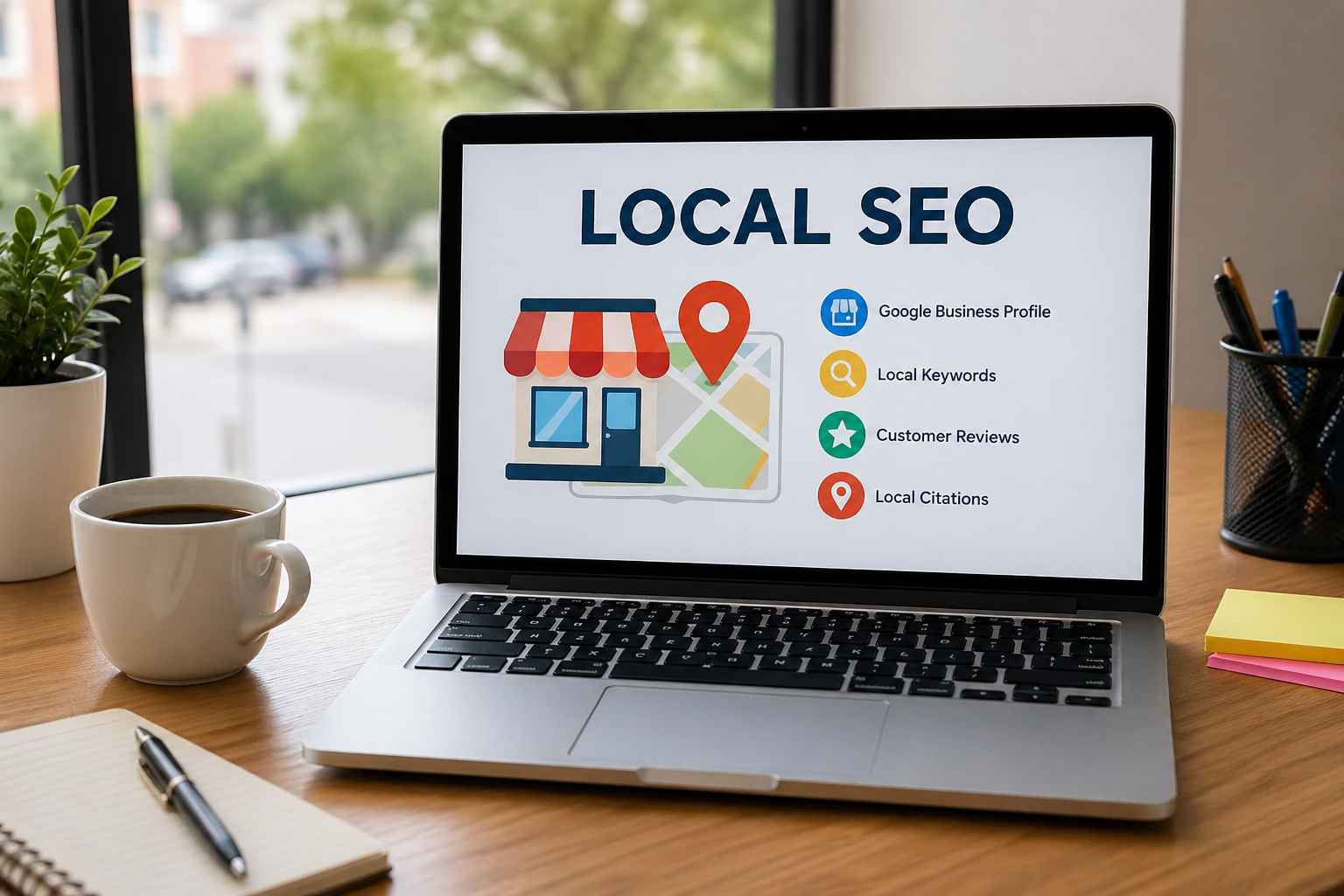
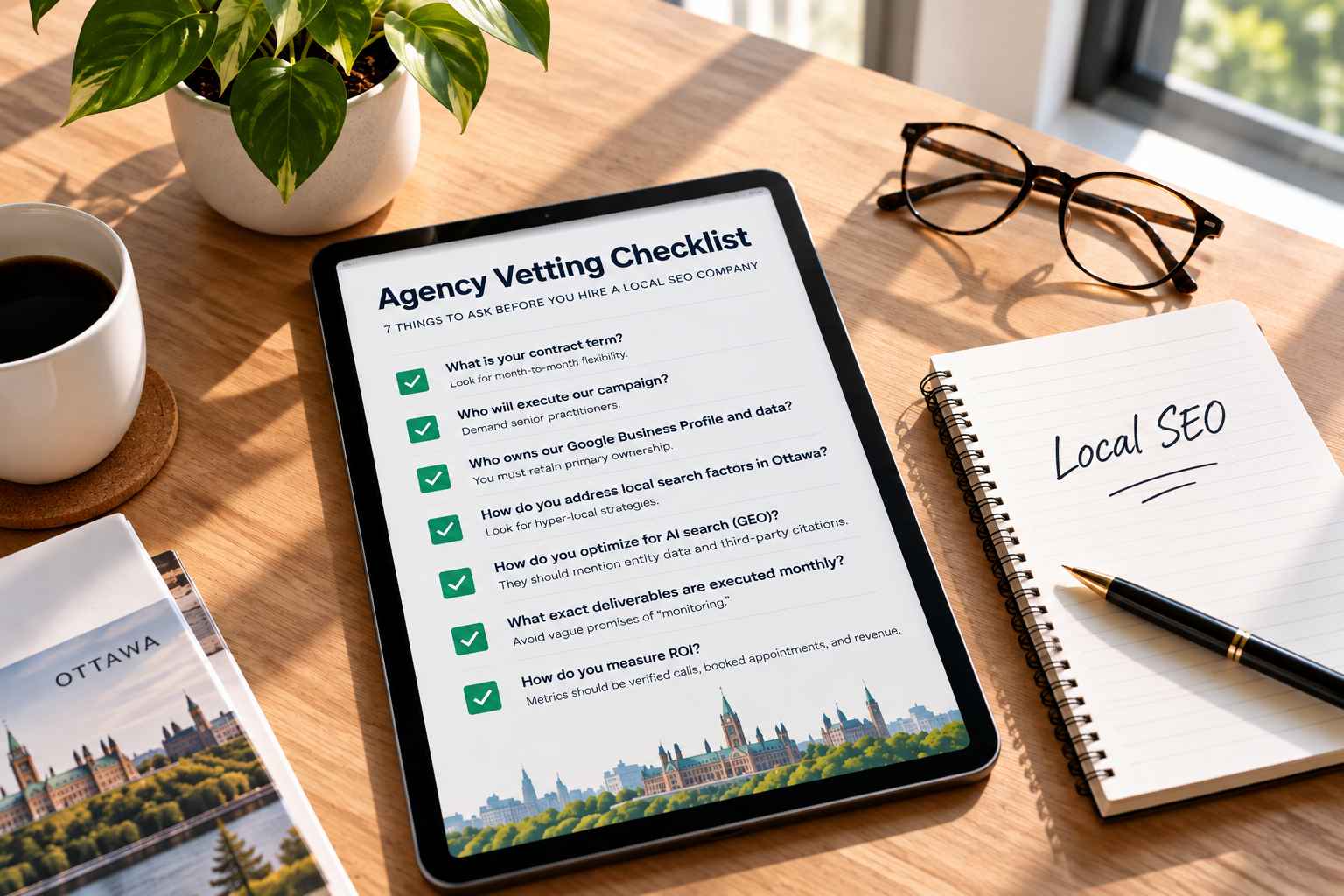
For agencies and service providers, GEO signals add another layer of trust. Mentioning your service areas naturally within relevant content helps align topical authority with geographic relevance.
This is especially important for local SEO and AI-driven recommendations, where location plays a major role in results. A well-structured content cluster that includes geographic context often outperforms generic content.

Many businesses attempt content clusters but fall short due to a few common issues:
Topical authority SEO requires patience and consistency. It is not about volume for the sake of volume. It is about intentional structure.
SEO content clusters are resilient because they align with how search engines and AI systems evolve. Algorithms change, but the need for clarity, relevance, and depth does not.
Sites built around topical authority tend to:
This makes content clusters a foundational strategy rather than a short-term tactic.
Topical authority SEO is not a single optimization. It is a system. SEO content clusters, semantic SEO, internal linking strategy, blog structure planning, and pillar pages all work together to create that system.
When executed properly, your website becomes easier to understand for users, search engines, and AI tools alike.
If you want help planning or building content clusters that support long-term growth, Profit Parrot helps businesses create SEO strategies rooted in structure, clarity, and real-world performance. Get in touch with us to see how we can help.