

Imagine you list a great home and see crickets on the view count: no inquiries, no showings, and an agent asking, “What happened?” Real estate facebook marketing still works for local listings because it combines reach, precise targeting, and visible social proof that turns casual scrollers into contacts. In this guide you’ll get a step-by-step listing-to-lead workflow that pairs simple organic posts with paid lead campaigns so you can start getting qualified inquiries this month.
You’ll learn how to set up a professional Facebook presence, build listing creative that converts, run a clear three-step ad funnel, budget for a small market, and measure the KPIs that tell you when to scale. Follow the sections below to find quick action items: page setup, creative templates, campaign steps, organic tactics, measurement, and a ready-to-run checklist.
✓ Quick Answer
Real estate Facebook marketing uses a Facebook Business Page, targeted organic posts, and paid lead‑generation ads to promote listings and capture buyers and seller leads. Focus on listing posts, targeted lead magnets, and a simple retargeting sequence to move prospects from discovery to contact within days.
Start with a clean Facebook Business Page that signals you’re a local agent who converts interest into showings. Complete the About section, add a clear contact phone and email, set the CTA button to “Contact” or “Send Message”, and pin your best active listing. A polished page builds trust when a buyer first clicks your ad or organic post.
💡 Pro tip: Pin your best live listing post to the top of your Page for 2–4 weeks and boost it to a 5–10 mile radius around the property for immediate visibility.
Checklist: make sure messaging is enabled, link your page to listing landing pages or IDX where allowed, and add a pinned listing post that includes an image, 1-line hook, and CTA to message or view the listing. Example About copy: “[Agent Name] — Local agent serving City. Fast replies, expert pricing, and weekday showings. Call or message to schedule a tour.”
⚠️ Warning: Avoid posting MLS photos with prohibited broker info; always verify MLS rules and include proper attribution to prevent listing takedowns.
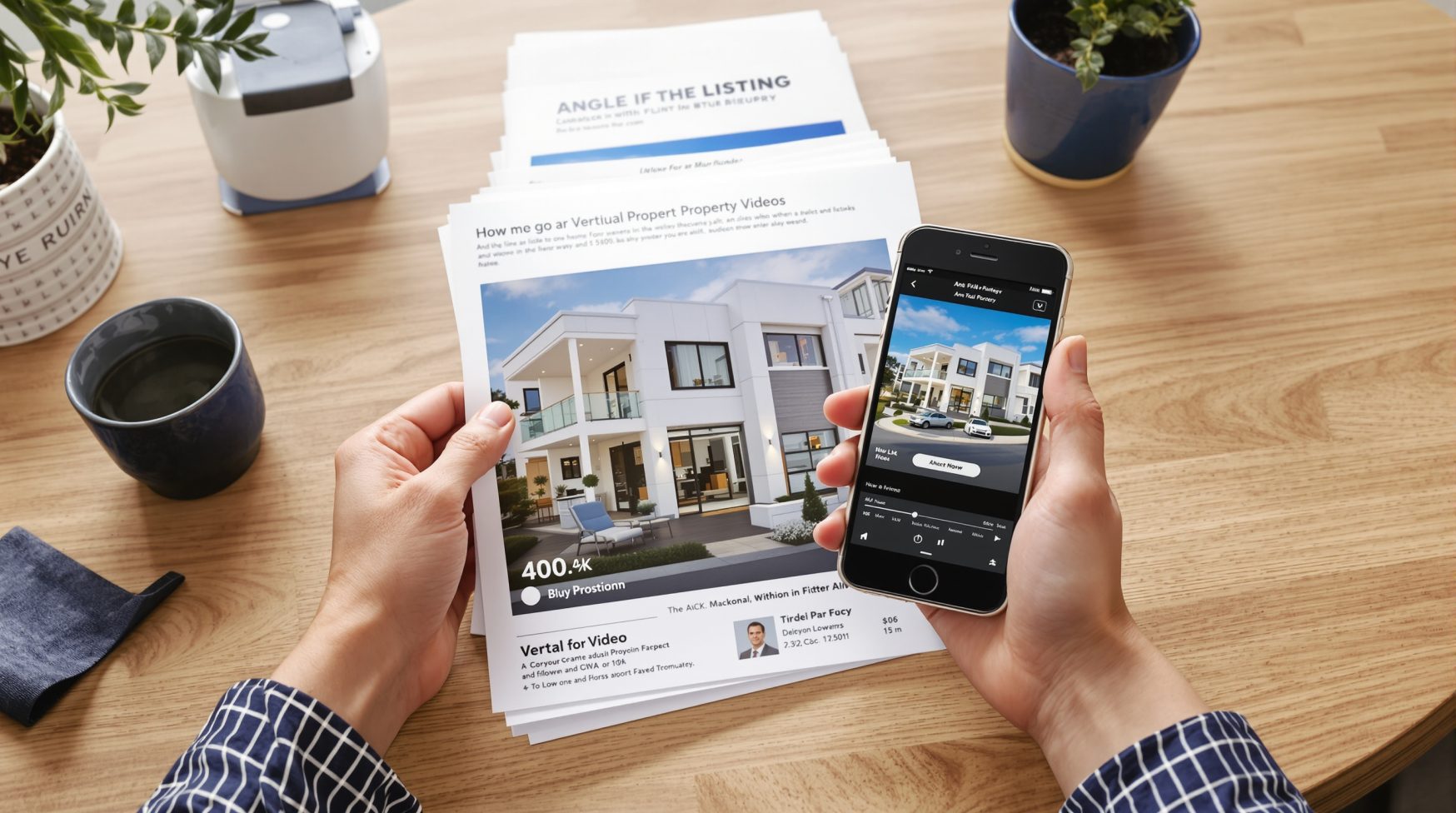
Choose formats that show the home quickly: a carousel for room-by-room shots, a single strong curb shot for broad audiences, and short vertical walkthroughs for mobile viewers. Start with three creatives: curb appeal, kitchen detail, and a 15-second tour clip. Test which frame drives the message home.
💡 Pro tip: Lead with a strong cover shot of curb appeal and include a 15-second tour clip as the first frame for higher mobile engagement.
Ad copy templates you can copy: Organic listing post — Headline: “Open House Sat 2–4PM — 3BR in Neighborhood“; Hook: “Move-in ready with new roof and yard. Message to book a tour.” Paid lead ad — Headline: “See this 3BR in City“; One-line: “Quick virtual tour + showing slots — reserve your time now.” CTA: “Get Info”.
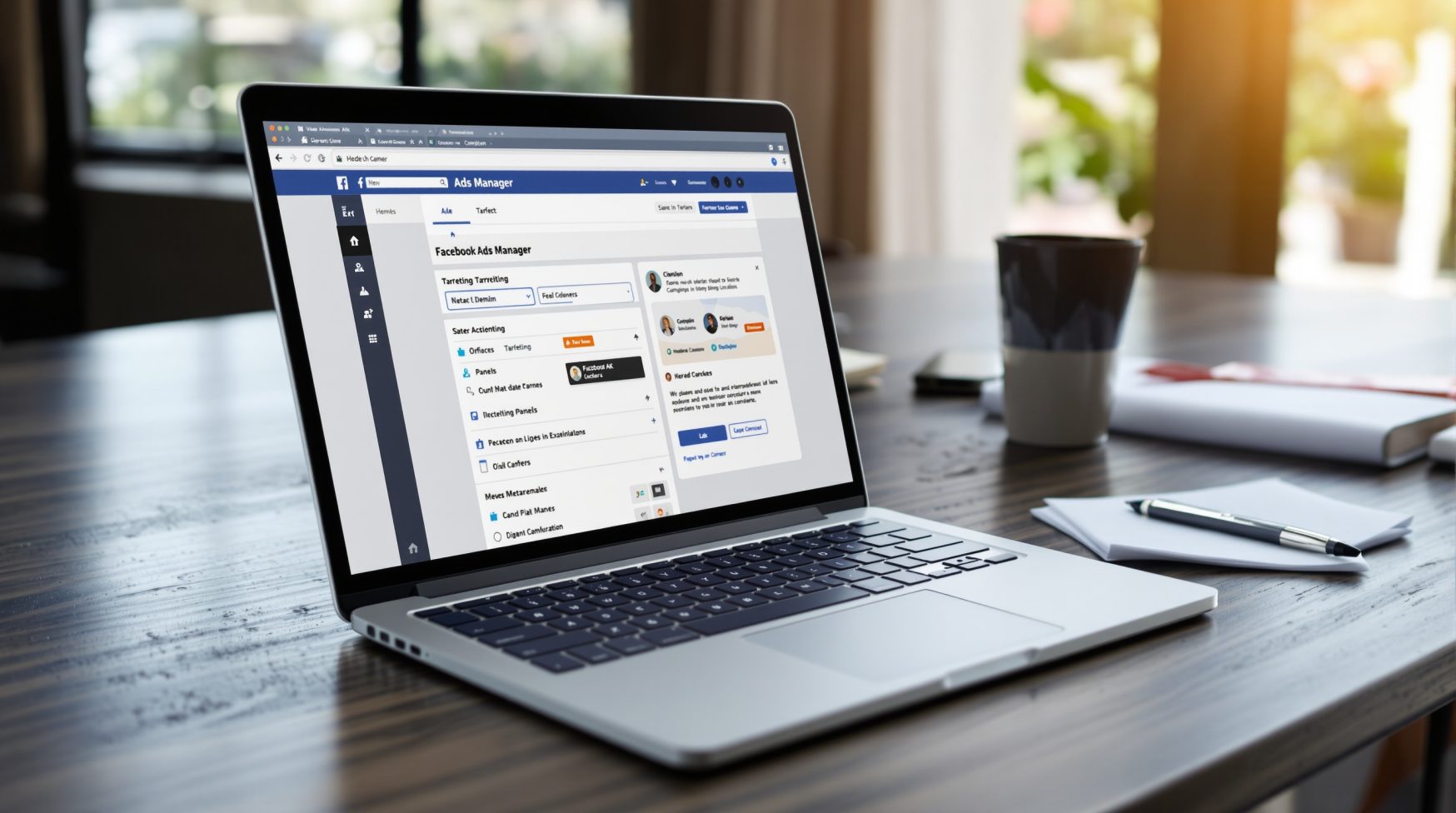
Here’s a simple three-step campaign sequence you can copy: 1) Listing Awareness to get eyeballs, 2) Lead Form or Landing Page to capture interest, 3) Retargeting with social proof to convert. Use the Lead Generation objective when you want easy forms inside Facebook, or link to a landing page if you prefer your CRM flow.
⚠️ Warning: Don’t run broad, untargeted campaigns in small markets; narrow by zip or radius to avoid wasting budget on irrelevant clicks.
Sample settings: Campaign objective = Lead Generation; Ad set targeting = 5–10 mile radius around property, age 28–65, interests layered with recent mover actions; Placements = automatic; Bid strategy = lowest cost with bid cap if you want strict CPC control. Start with a 7–14 day test and $15–30/day for a single listing in a small market.
| Step | Action | Why it matters |
|---|---|---|
| Connect Page | Link your Business Page in Ads Manager | Ensures ad attribution and message routing |
| Objective | Choose Lead Gen or Traffic to landing page | Matches ad flow to your follow-up process |
| Geo radius | Set 5–15 mile radius or target zips | Keeps reach local and relevant |
| Exclusions | Exclude past leads and non-target areas | Reduces wasted spend |
| Tracking | Test form submission and CRM sync | Ensures leads land in your follow-up system |
Organic activity builds the audience you’ll retarget with ads. Aim for a predictable cadence: two listing posts and one market update per week. Use behind-the-scenes videos and Facebook Live to answer common buyer questions and show personality — that trust lowers lead friction when a paid ad reaches the same person.
💡 Pro tip: Repurpose a 60-second walkthrough into a 15-second clip, a carousel, and 3 static images to maximize reach without extra shoots.
Three reproducible post ideas: 1) Quick tour clip with a caption “2-minute look inside — message to book”; 2) Neighborhood snapshot with local amenity callout; 3) Seller tip post that shows recent comparable and a CTA to request a valuation. Use Groups and Stories to reach engaged locals and drive messages you can add to your CRM.
📌 Key takeaway: Consistent organic posts feed your retargeting pool — keep a predictable cadence so ads reach people who already know your name.

Track simple KPIs: cost per lead (CPL), lead-to-showing conversion rate, and downstream value per lead. Connect form leads to your CRM and tag source = Facebook, so you can measure appointments and closed deals. A CPL that looks high may still be profitable if conversion and average sale value justify it.
| Metric | What to track | When to scale / pause |
|---|---|---|
| Cost per lead (CPL) | Average cost to capture a contact | Scale if CPL is lower than target for 7–14 days; pause if CPL rises 30%+ while volume drops |
| Lead quality | Appointment/qualified lead rate | Pause if appointment rate < expected for 14 days |
| Engagement rate | Clicks and video views | Adjust creative if engagement drops |
| CPA trends | Cost per action over 7–30 days | Scale slowly; double budget only on clear winners |
📌 Key takeaway: Measure cost-per-qualified-lead (not just cost-per-form); scale only after a consistent lead-to-showing conversion rate is proven.
Get a free review of your Facebook page, creative, and an ad checklist to jump-start your next listing campaign.
Quick answers to common questions about real estate Facebook marketing.
Start with an optimized Business Page, publish organic listing posts, and run targeted paid ads. For the Page: complete contact info, enable messaging, and pin a current listing. For organic: post photos, short tours, and market updates to build engagement. For paid: run a local lead-gen campaign with a tight geo radius. Action: publish a pinned listing post and boost it with a small budget this week.
Cost varies by market and targeting. In lower-competition areas, you’ll see lower CPCs; in competitive urban market,s costs rise. Factors include audience specificity, ad quality, and bid strategy. Action: run a 7–10 day test at a small daily budget to measure your local CPC before scaling your campaign.
Typical commission scenarios vary by market and split, but most agents calculate take-home as a percentage after brokerage splits and fees. When evaluating ad spend, compare your expected commission on a closed sale to the cost to acquire a lead and your lead-to-sale conversion rate. Action: calculate a target CPL based on realistic conversion numbers for your farm.
Yes, when paired with targeted audiences, strong creativity, and fast follow-up. Success requires a clear funnel, testing, and tracking to determine cost per qualified lead. Action: run a 2–4 week test campaign and measure cost per qualified lead before committing more budget.
Start with a geo-focused audience around the listing, layer interests like recent movers or home improvement, and create lookalikes from page engagers. Exclude past leads to avoid overlap. Action: create three audiences and test each with the same creative to see which yields the best CPL.