

Businesses in competitive markets often face the challenge of deciding how to allocate their digital marketing budgets. Two of the most effective methods are search engine optimization and paid advertising. Understanding how each works helps organizations select the right mix for sustainable growth.
Search engine optimization focuses on improving a website’s visibility in organic search results. It involves optimizing on-page elements, improving technical performance, and creating high-quality content that matches user intent. When done well, SEO can deliver consistent traffic without ongoing ad spend.
An Ottawa SEO company may start by identifying the terms potential customers use to find products or services. These keywords guide content creation and site structure. Over time, higher rankings lead to greater trust and brand awareness.
SEO requires patience, as results typically take months to develop. However, the long-term benefits often outweigh the slower start. Businesses that maintain consistent optimization efforts usually see steady growth in qualified traffic.
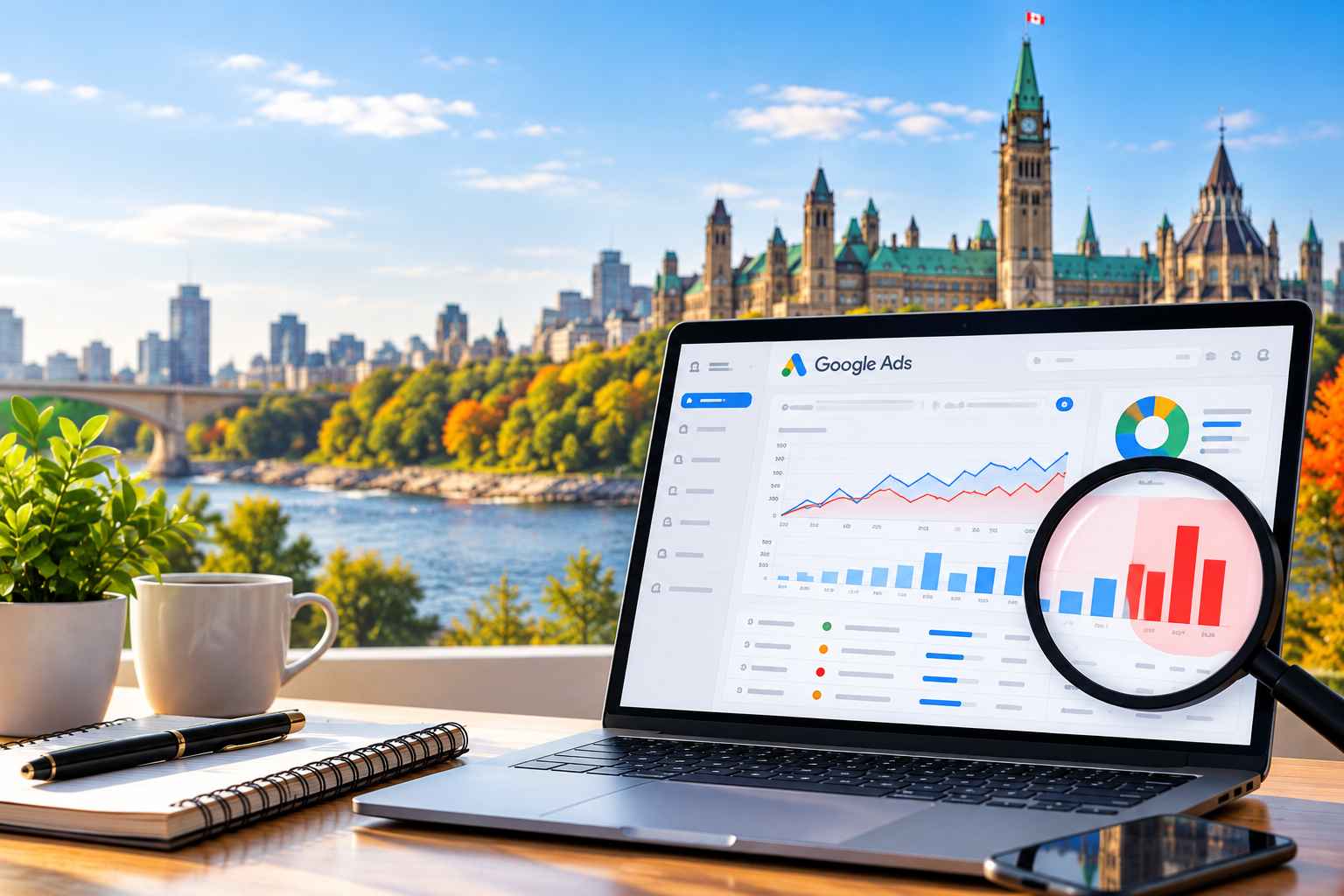
Google Ads operates on a pay-per-click model, allowing businesses to appear instantly in search results. Campaigns can be tailored to specific audiences, budgets, and regions, making it ideal for short-term goals or promotional events.
Unlike SEO, paid ads provide immediate visibility. Companies can target high-value keywords, adjust bids, and refine ad copy to boost performance. The flexibility of this approach makes it attractive for testing new markets or services.
The main drawback of paid advertising is cost. High competition for popular keywords can lead to expensive bids. Once campaigns stop, traffic usually disappears, which makes continuous investment necessary.
 Comparing SEO and Google Ads
While both methods aim to increase visibility, they serve different purposes. SEO builds credibility and long-term traffic, while Ottawa Google Ads deliver immediate exposure. Many businesses benefit from combining both strategies for balanced results.
For example, an organization that invests in SEO gains sustainable organic traffic. At the same time, running ads helps capture leads quickly while waiting for organic rankings to grow. This dual approach ensures a steady flow of visitors and brand recognition.
Budget and timeline are the main factors when choosing between the two. Companies seeking fast results often start with paid ads, while those focused on lasting growth rely on SEO. A balanced plan can evolve as data reveals which approach generates better conversions.
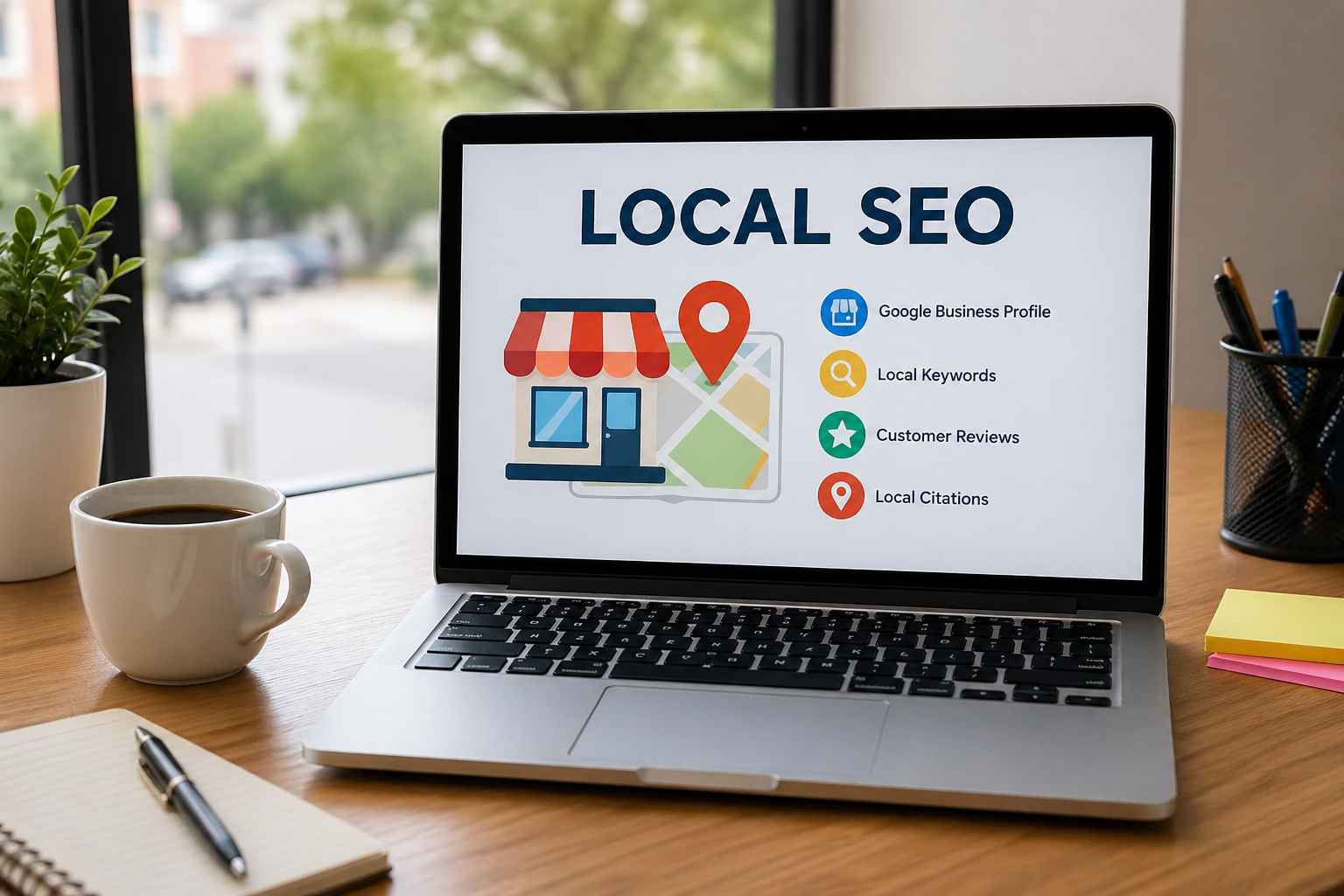
Local businesses often rely on targeted visibility to reach nearby clients. Optimizing for local search terms, such as service-specific phrases combined with the region, increases the chance of appearing in map results and localized listings.
For instance, professionals in specific fields may benefit from specialized strategies like lead generation for lawyers in Ottawa. Local SEO supports such efforts by ensuring potential clients find relevant services quickly and easily.
Combining SEO with paid campaigns creates a comprehensive digital presence. Paid search can fill gaps while organic rankings improve. Over time, the reliance on ads may decrease as organic performance strengthens, reducing overall marketing costs.
To achieve balance, businesses should continuously analyze metrics such as cost per click, conversion rates, and organic traffic growth. Adjusting strategies based on these insights helps maintain efficiency and ensures consistent visibility across search channels.
Success in digital marketing depends on aligning goals with the right mix of strategies. SEO lays the foundation for lasting visibility and authority, while paid advertising delivers quick, measurable outcomes. Together, they provide both stability and flexibility.
By understanding the strengths of each method, organizations can allocate resources more effectively. Ongoing evaluation, keyword research, and performance tracking ensure that marketing efforts evolve with changing market conditions and consumer behavior.