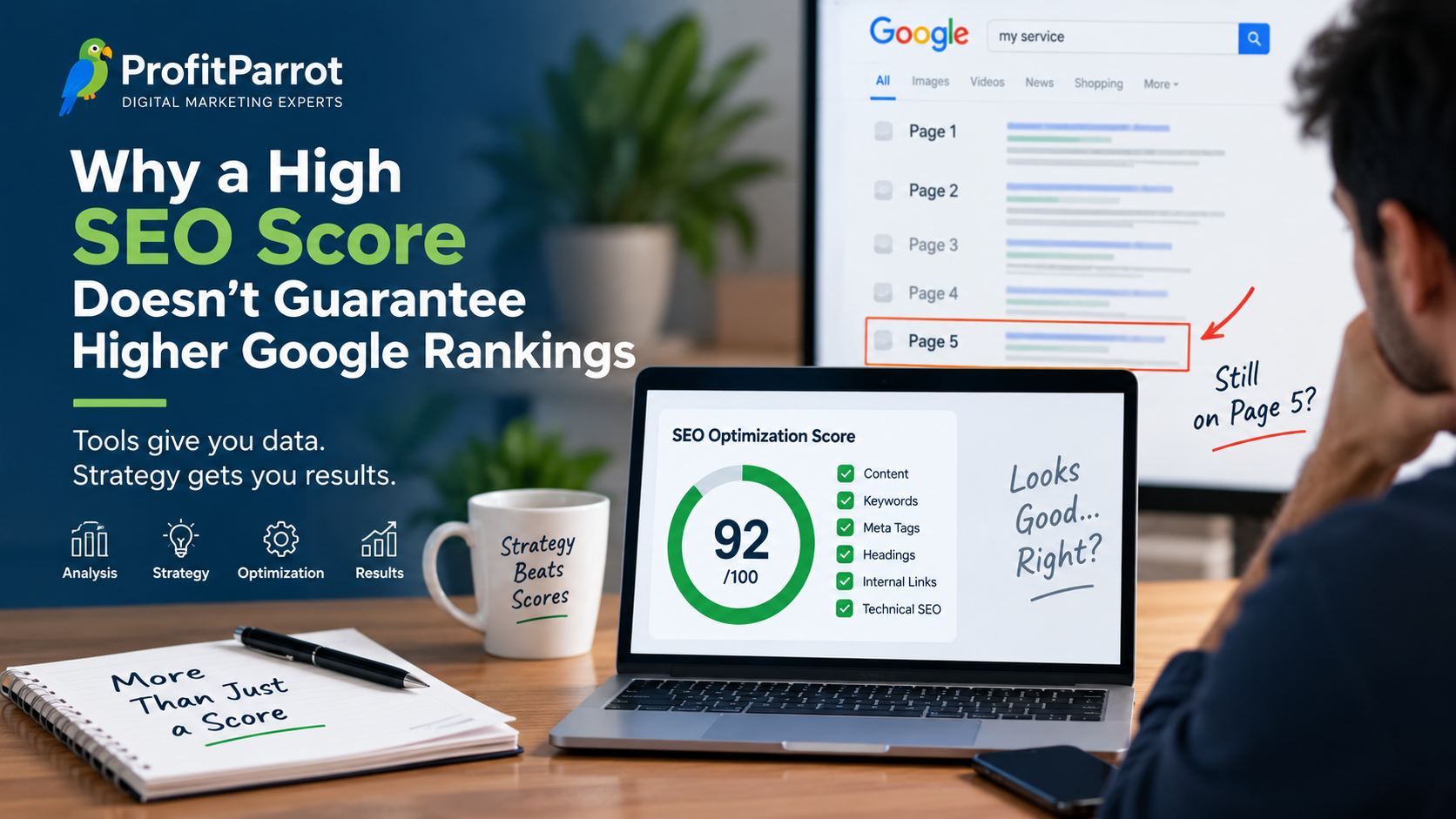

Writing a great article is only half the battle. If nobody clicks on it, even the most informative piece won’t achieve its purpose. Whether you’re a journalist, blogger, marketer, or business owner, increasing your click-through rate (CTR) is essential for growing your audience and maximizing the impact of your content.
A high click-through rate means more people are choosing your article over competing results in search engines, social media feeds, newsletters, and news aggregators. While there’s no magic formula, there are proven strategies that consistently help content attract more readers.
Here’s how to write articles that stand out, earn clicks, and keep audiences engaged.
People rarely click on an article simply because it exists. They click because they expect it to answer a question, solve a problem, or tell an interesting story.
Before writing, ask yourself:
Every successful article starts with understanding reader intent.

Your headline is often the first—and sometimes only—chance to attract attention.
Great headlines are:
Compare these examples:
Weak
“Photography Tips”
Better
“12 Photography Tips That Instantly Improve Every Picture”
Or:
Weak
“Football News”
Better
“Everything You Need to Know Before This Weekend’s NFL Games”
The second headline immediately tells readers what they’ll get.
List articles continue to perform well because readers know exactly what to expect.
Examples include:
Numbers create structure and set expectations before someone clicks.
Search engines reward articles that stay focused.
Instead of targeting multiple unrelated keywords, build your article around one primary topic.
For example:
Primary keyword:
How to become a sports journalist
Supporting keywords:
This creates a more comprehensive article while helping search engines understand its purpose.
Your introduction should answer one question:
“Why should I keep reading?”
Avoid generic openings.
Instead of:
“Photography has been around for many years…”
Try:
“Choosing the wrong image can reduce engagement, hurt your SEO, and make even excellent writing feel unprofessional. Fortunately, selecting better visuals is easier than many writers realize.”
Readers should immediately see the benefit of continuing.
Nothing hurts click-through performance over time more than disappointing readers.
If your title promises:
“The Complete Guide to Sports Photography”
Don’t write 500 words covering only basic camera settings.
Instead, include:
Readers stay longer—and are more likely to return—when your content fulfills its promise.
Most online readers don’t consume articles word for word.
Instead, they scan.
Improve readability with:
The easier your article is to navigate, the longer readers tend to stay.
Visuals grab attention before readers even begin reading.
Strong images can:
For general topics, stock photography often works well.
For journalism, sports, entertainment, and current events, editorial photography provides authenticity and helps readers connect with the story.
Choose images that support your message instead of simply filling space.
Search results usually display:
Treat your meta description like a mini advertisement.
Instead of simply summarizing the article, explain why someone should click.
Example:
“Learn how professional writers create headlines, structure articles, improve SEO, and increase click-through rates using proven content strategies.”
A compelling description can significantly improve search performance.
Readers appreciate articles that get to the point.
If someone searches:
“How long should a blog post be?”
Don’t spend 600 words discussing the history of blogging.
Answer the question early, then provide additional context.
This improves user satisfaction and helps your article compete for featured snippets in search engines.
Thousands of websites publish similar content every day.
Differentiate your article by including:
Unique information gives readers a reason to choose your article over competing pages.
Many publishers focus only on creating new content.
However, updating existing articles often produces better results.
Refresh:
Search engines often reward regularly updated content.
Every article should guide readers toward related content.
Examples:
If someone is reading:
“How to Start a Sports Blog”
You could link to:
Internal linking keeps visitors on your website longer while helping search engines understand your content structure.
Keyword stuffing no longer works.
Instead of forcing keywords into every paragraph, write naturally.
Modern search engines reward content that:
SEO should support great writing—not replace it.
Readers click more often when they trust a publication.
You can build credibility by:
Trust encourages repeat visitors, which often leads to higher long-term traffic than relying on clickbait.
Many readers discover articles through social platforms rather than search engines.
Before publishing, ask:
Would someone stop scrolling to read this?
Strong social content usually includes:
Your featured image should look good even when displayed as a small thumbnail.
Articles that generate discussion naturally reach larger audiences.
Include:
Content that helps people solve problems is far more likely to be shared.
Improving click-through rate is an ongoing process.
Monitor metrics such as:
Over time, you’ll identify patterns in the headlines, topics, and article formats that resonate most with your audience.
Avoid these common errors:
Small improvements in each of these areas can have a noticeable impact on performance.
Articles that earn high click-through rates don’t rely on luck. They combine compelling headlines, valuable information, strong visuals, thoughtful SEO, and a clear understanding of what readers are searching for. Every part of your content—from the title and featured image to the introduction and article structure—plays a role in attracting attention and encouraging clicks.
Focus on creating articles that genuinely answer questions, provide practical value, and deliver on the promises made in your headline. Over time, this approach builds trust with both readers and search engines, leading to higher click-through rates, better engagement, and sustainable growth for your website or publication.