Running paid ads sounds simple: pick some keywords, set a budget, and wait for clicks to turn into customers. In reality, most businesses waste a large share of their ad budget because campaigns aren’t managed properly.
That’s where PPC management comes in. Done well, it’s the difference between an ad account that quietly drains your budget and one that consistently drives revenue.
In this guide, we’ll break down what PPC management actually involves, why it matters more than most business owners realize, and how to tell if your current campaigns need a closer look.
What Is PPC Management?
PPC management is the ongoing process of planning, running, and optimizing pay-per-click advertising campaigns , most commonly on platforms like Google Ads, Microsoft Ads, and paid social channels.
It covers everything from keyword research and ad copywriting to bid strategy, audience targeting, and performance analysis. Unlike a “set it and forget it” campaign, effective PPC management is a continuous cycle of testing, measuring, and refining.
Think of it less like flipping a switch and more like tending a garden. A campaign that’s left alone doesn’t stay the same , it gets worse. Competitors adjust their bids, search behavior shifts, and platform algorithms change constantly. Active PPC management is what keeps a campaign healthy instead of letting it quietly decline.
Why PPC Management Matters
Paid search platforms are auction-based. Every competitor bidding on the same keywords is trying to win the same clicks, and the rules change constantly. Without active management, a campaign that performed well last quarter can quietly become unprofitable.
Good PPC management helps you:
- Lower your cost-per-click and cost-per-acquisition over time
- Stop wasting budget on searches that don’t convert
- React quickly to seasonal trends or algorithm changes
- Scale spend confidently once campaigns prove profitable
The businesses that get the most out of paid ads aren’t necessarily the ones spending the most. They’re the ones paying close attention to where that spend is actually going, and adjusting quickly when something isn’t working.
Core Components of Effective PPC Management
1. Keyword Strategy
Choosing the right keywords is the foundation. This means targeting terms with real purchase intent, layering in negative keywords to filter out irrelevant clicks, and regularly reviewing search-term reports to catch new opportunities.
A strong keyword strategy isn’t a one-time setup. Search behavior shifts throughout the year, and new negative keyword opportunities show up every time a search-term report is reviewed. Skipping this step is one of the fastest ways to bleed budget on clicks that were never going to convert.
2. Ad Copy and Creative Testing
Even the best keyword targeting fails if the ad itself doesn’t resonate. Strong PPC management includes ongoing A/B testing of headlines, descriptions, and creative assets to see what actually earns clicks and conversions , not just impressions.
This is also where messaging gets refined over time. What performs well in one season, or against one set of competitors, may not perform as well six months later. Regular creative testing keeps ad copy from going stale.
3. Bid and Budget Optimization
Manual bidding, automated bid strategies, and budget pacing all need regular attention. A campaign that’s under-bidding misses valuable traffic; one that’s overspending on low-value clicks eats into margin. This is often the area where experienced managers add the most value, since platform algorithms need clear signals and guardrails to perform well.
Automated bidding tools can be powerful, but they aren’t hands-off. They still need accurate conversion data, sensible budget caps, and regular monitoring to make sure they’re optimizing toward the right goals rather than simply spending the full budget.
4. Landing Page Alignment
Traffic quality means little if the landing page doesn’t match user intent. Part of good PPC management involves reviewing where ads send people and recommending changes that improve conversion rates once visitors arrive.
A mismatch between ad promise and landing page experience is one of the most common and most overlooked – reasons a campaign underperforms. If someone clicks an ad about a specific service and lands on a generic homepage, most of that traffic is wasted no matter how well the ad itself was targeted.
5. Reporting and Analysis
You can’t improve what you don’t measure. Ongoing reporting – tracking cost-per-click, conversion rate, return on ad spend, and quality score – is what turns raw data into decisions.
Good reporting goes beyond a monthly summary. It should clearly show which campaigns, ad groups, and keywords are driving results, so budget can be shifted toward what’s working and away from what isn’t.
In-House vs. Agency PPC Management
Some businesses manage PPC internally, which can work well if there’s dedicated time and expertise. Many others turn to an agency or specialist because:
- Platforms change frequently, and staying current takes real time investment
- A dedicated manager can dedicate hours per week that in-house teams often can’t spare
- Agencies typically manage many accounts, bringing pattern-recognition from a wider range of campaigns and industries
Neither approach is automatically better – it depends on your budget, goals, and internal bandwidth. What matters most is that someone is actually watching the account regularly, whichever route you choose.
How to Know If Your PPC Management Needs Improvement
A few warning signs are worth watching for:
- Cost-per-click keeps rising with no improvement in conversions
- Ad spend is increasing but sales or leads have plateaued
- Campaigns haven’t been reviewed or restructured in months
- You’re not sure what’s actually driving your best results
If any of these sound familiar, it’s usually a sign that campaigns need a closer, more strategic look rather than more budget thrown at the problem. Throwing more spend at an unoptimized account tends to amplify the waste rather than fix it.
Getting Expert Help With PPC Management
PPC can be one of the fastest ways to generate leads and sales, but only when it’s managed with discipline. Small, consistent optimizations compound over time, while neglected campaigns tend to get more expensive and less effective.
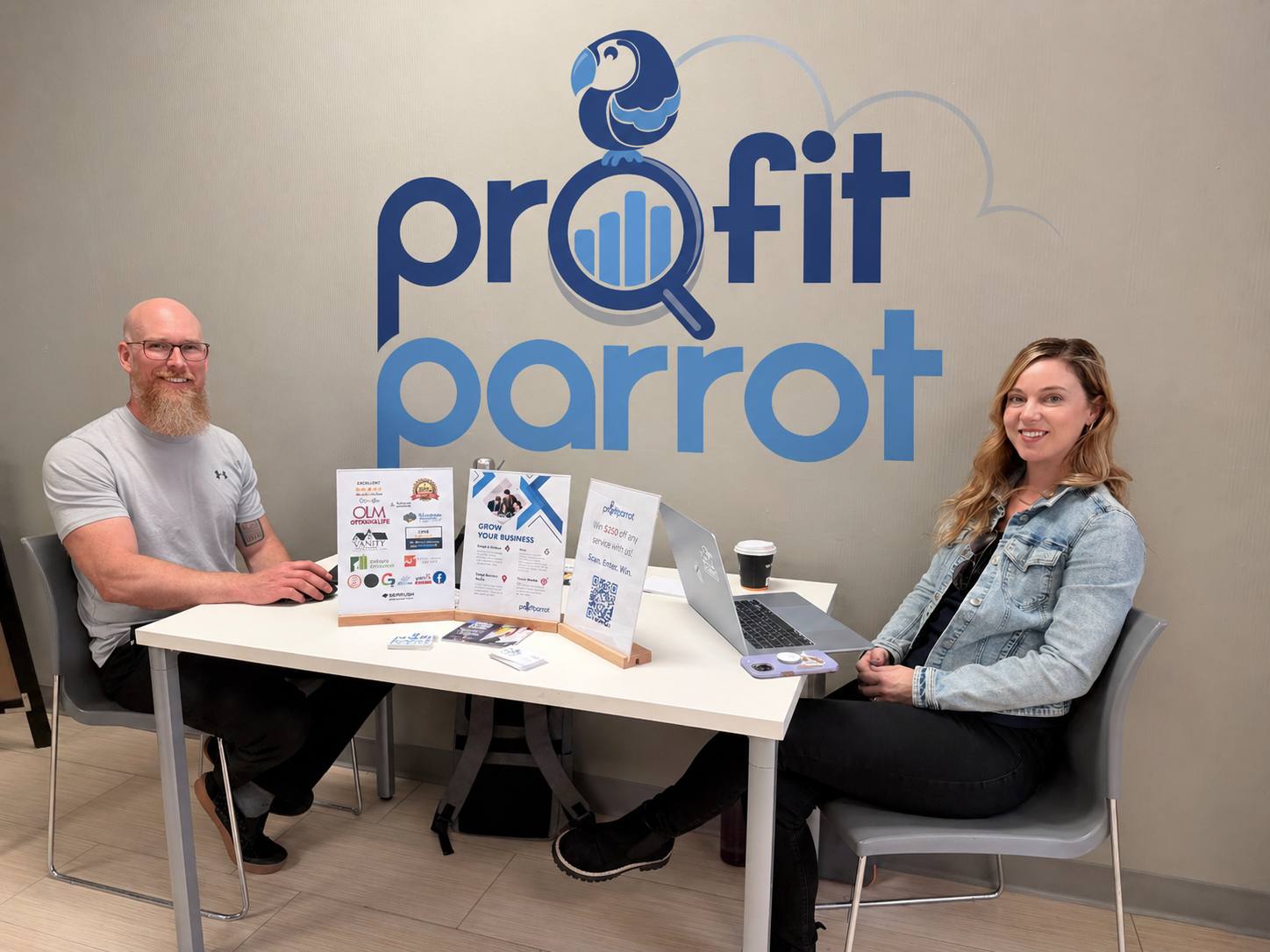
If you’d rather have experienced hands on your account, Profit Parrot offers dedicated PPC management built around real performance data, not guesswork. Their team handles the strategy, testing, and reporting so you can focus on running your business.
Get in touch with our team to see how a more strategic approach to PPC management could improve your results.
For a deeper technical overview of how paid search auctions work, Google’s own Ads guide is a solid reference.