



























Here’s why you should invest in PPC to unlock your business’s growth potential. For small businesses, competing against large corporations that dominate Google search results and social media feeds can seem overwhelming. However, Pay-Per-Click (PPC) advertising levels the playing field. It allows small businesses to get in front of their ideal audience, drive relevant traffic, and boost conversions without needing the extensive resources of big companies.
What is PPC?
If you’re new to the term, Pay-Per-Click (PPC) is a type of advertising where businesses bid on keywords to display ads prominently in search engines like Google or on platforms like Facebook and Instagram. Instead of paying for ad space outright, you’re charged only when someone clicks on your ad.
Think about the last time you Googled something. Those ads at the very top of the results page? That’s PPC in action. But it doesn’t stop at Google; platforms like Facebook and Instagram use PPC to display tailored ads based on user behavior and interests, making it incredibly versatile for small businesses.
1. Stand Out from Big Corporations and When You Invest in PPC
It’s no secret that larger companies dominate organic search results. They’ve spent years investing in SEO, content creation, and branding to ensure they’re always on page one. For small businesses, competing for organic rankings can feel like an uphill battle.
How PPC Helps:
- PPC ads bypass the organic rankings altogether, appearing above even the most optimized SEO content.
- For instance, if you own a local bakery in Calgary, targeting keywords like “Calgary artisan bakery” in a PPC campaign can place your business above national chains, dominating organic search results for “bakeries.”
Example: A small coffee shop using PPC can run location-specific campaigns targeting people searching for “coffee near me.” With PPC, you’re not competing with Starbucks on a global scale; instead, you’re capturing the attention of local customers ready to buy.
2. Reach Your Target Audience Precisely with a Plan to Invest in PPC
PPC ads are highly customizable, allowing you to define exactly who sees your ads. Unlike traditional advertising methods, which cast a wide net, PPC ensures you’re spending money only on people who are likely to become customers.
 How Targeting Works:
- PPC platforms like Google Ads and Facebook Ads let you choose keywords, locations, demographics, interests, and even behaviors.
- This ensures your ads are seen by people actively searching for your products or services.
Example:
Imagine running a local fitness studio. By including keywords like “fitness classes in Toronto” and narrowing your audience to people within a 10-mile radius of your studio, your ad reaches people who are both nearby and interested in fitness. This precision targeting leads to higher click-through rates and conversions.
Pro Tip: Use geo-targeting to focus on specific areas and include long-tail keywords (e.g., “low-cost fitness classes for beginners”) to capture highly relevant audiences.
3. Instant Feedback and Easy Optimization
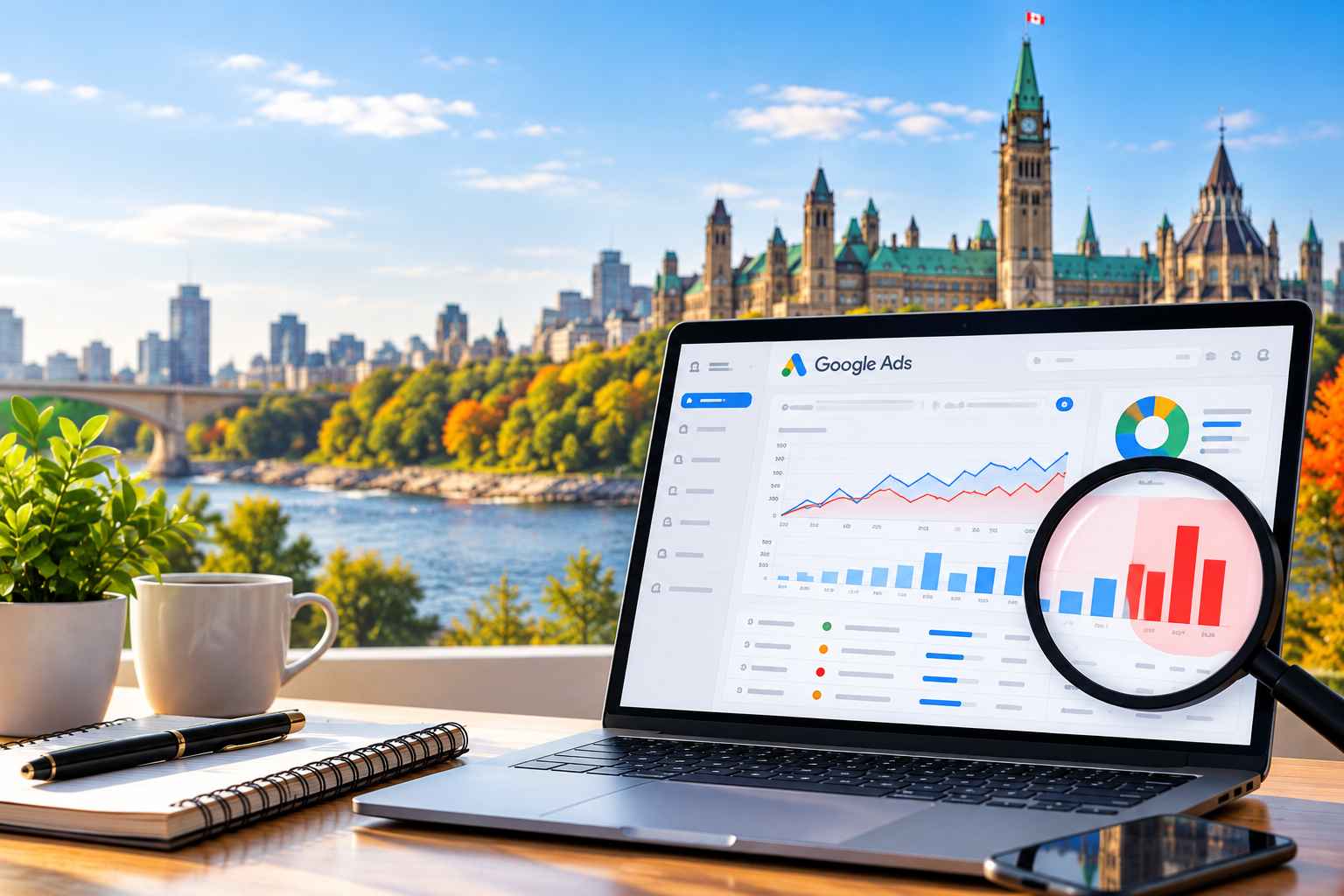
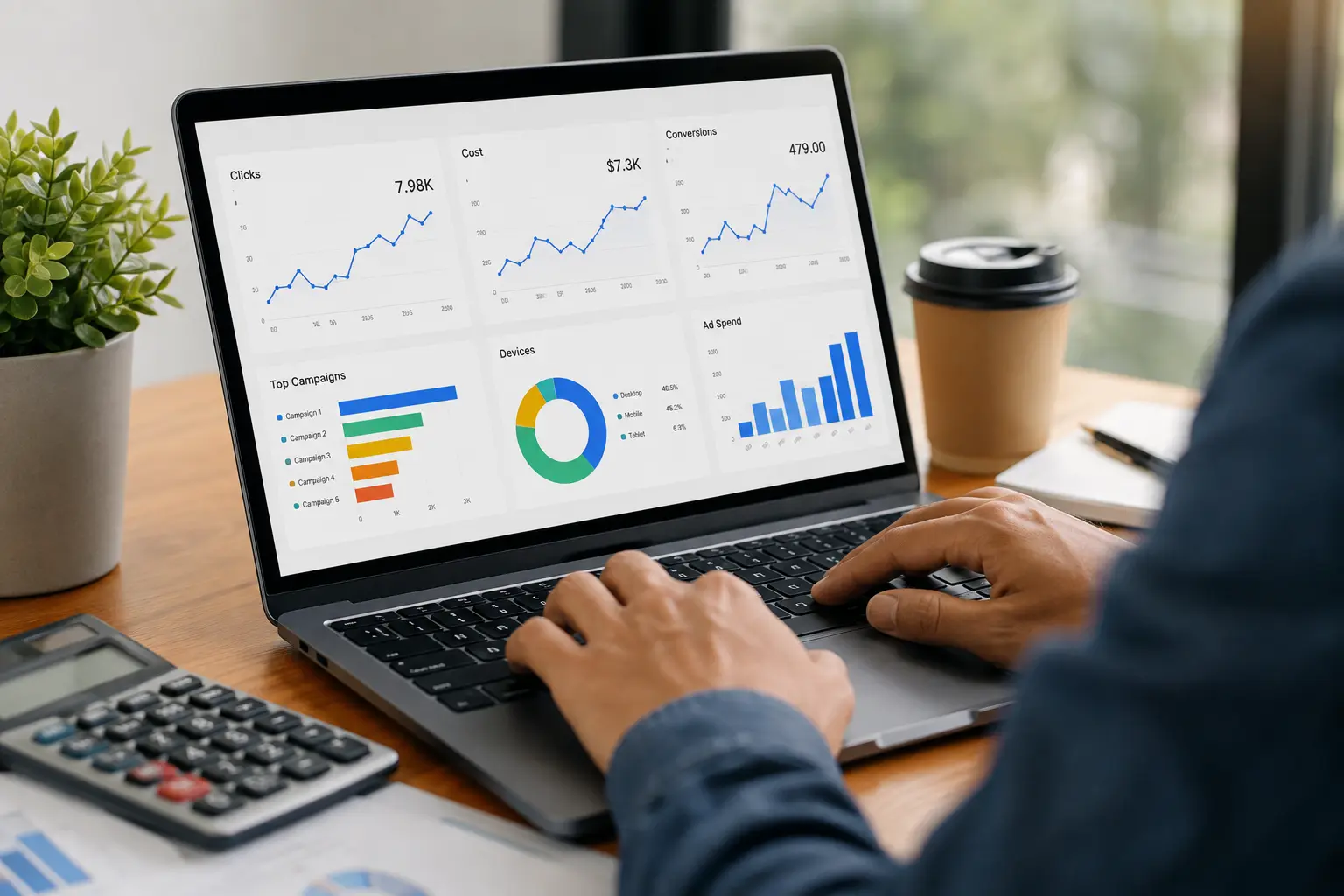
One of the best features of PPC advertising is the ability to track results in real time. Unlike traditional advertising, where you wait weeks to gauge effectiveness, PPC provides instant insights into how your ads are performing.
How You Benefit:
- Google Ads provides a Quality Score that measures the relevance of your ad to the keywords and landing page experience. Higher scores reduce costs and improve visibility.
- Use tools like Google Analytics or Facebook Ad Manager to monitor impressions, clicks, conversions, and costs.
Example:
A small e-commerce business selling handmade candles notices that ads with the keyword “soy candles” are outperforming those targeting “candle gifts.” With this data, they can shift their budget to “soy candles” and test additional variations like “aromatic soy candles.”
Pro Tip: Start with small daily budgets (e.g., $10-$20) and gradually increase as you identify which keywords and audiences yield the highest ROI.
4. Budget-Friendly Advertising with Big Results
How to Maximize ROI:
- Set daily or campaign-wide budgets to ensure you never overspend.
- Bid on keywords with high intent, such as “buy,” “near me,” or “how to get,” which indicate users are ready to take action.
Example:
A local pet grooming service can allocate $500 for a month-long campaign targeting terms like “pet grooming near me” or “affordable dog grooming Calgary.” If each click costs $2 and 5% of visitors book an appointment, they’d see a return far greater than their initial investment.
Pro Tip: Use retargeting ads to re-engage users who’ve visited your website but didn’t convert. Retargeting can often lower costs per conversion by focusing on warm leads.
5. Access to Multiple Platforms and Formats
PPC isn’t just limited to search engines. Platforms like Facebook, Instagram, and LinkedIn offer additional opportunities to reach niche audiences. Each platform caters to a different user base, allowing you to tailor your approach.
Example:
- Google Ads: Ideal for targeting high-intent users actively searching for products.
- Facebook/Instagram Ads: Great for building brand awareness with visually engaging ads.
- LinkedIn Ads: Perfect for B2B businesses targeting professionals based on industry, job title, or company size.
Pro Tip: Combine search (Google Ads) with social (Facebook or Instagram) campaigns for a holistic approach that captures users at different stages of the buying journey.
6. Proven Results Across Industries
PPC isn’t just a trend—it’s a proven marketing strategy across various industries:
- E-commerce: Drive sales directly to your website.
- Local Services: Capture nearby customers searching for services like plumbers, electricians, or tutors.
- B2B: Reach decision-makers in niche industries.
- Healthcare: Attract patients looking for nearby clinics or specialists.
Example:
A small accounting firm targeting local businesses can use PPC ads to rank for searches like “affordable accounting services for small businesses.” By focusing on high-intent keywords, they gain quality leads without needing a massive budget.
Final Thoughts
PPC advertising is one of the most effective tools small businesses can use to compete with larger companies. By investing in targeted campaigns, small businesses can gain visibility, attract the right customers, and maximize their marketing budgets.
Whether you’re just starting or looking to refine your existing strategy, PPC offers a scalable solution to grow your business. If you’re ready to give your business the boost it deserves, contact us today to learn how we can help you set up and manage effective PPC campaigns.