Want a clear, step-by-step campaign blueprint for affiliate marketing on Facebook that actually tracks results? This guide gives you an actionable plan for Pages, Groups, Reels and low-budget ads so you can test offers and measure real ROI.
Facebook still works for affiliates because it combines organic reach with precise paid targeting. You can build trust in Groups and Pages, drive fast traffic with Reels, and scale what converts with low-cost ads. Whether you promote physical consumables, subscription software, or helpful tools, you’ll learn how to set up assets, install tracking, create compliant creatives, and optimize for profit.
This article walks through five practical steps: picking a niche and offers, configuring Pages/Groups and tracking, producing organic content that converts, launching low-budget paid tests, and measuring to scale. Follow these steps to launch your first measurable campaign today.
✓ Quick Answer
Affiliate marketing on Facebook lets creators and businesses promote products via posts, groups, Reels or paid ads to earn commissions while following Meta policies. To run campaigns, choose niche offers, set up a Page and tracking (UTMs/pixel), create compliant creatives, and measure conversions to optimize ROI.
Start by matching offer type to the audience you can reach on Facebook. Physical consumables and impulse buys often convert via short videos and quick posts, while recurring software or memberships earn more long-term value where email or content follow-up is possible. Consider merchant reputation, average order value, and cookie length before committing.
Use the checklist below to quickly weed out weak offers. Check commission, conversion page quality, cookie duration, merchant support, creative assets availability, and refund rates. Choose one primary product to test before you split your budget across many offers.
Two quick examples: a subscription invoicing tool with a 30% recurring commission fits SMB audiences who value time savings; a niche consumable (home coffee accessories) fits creators who can demo products in Reels. Both can work, but the funnel and follow-up differ.
💡 Pro tip: Prioritize offers with clear conversion pages and repeat buyers; test one high-converting product first and allocate 70% of test budget to it.

Create a focused Facebook Page that reflects your niche and a private Group for higher-intent followers. In your Page About and top Group post, state what you promote and set clear rules. Add a pinned resource post that links to your landing page and required disclosures.
⚠️ Warning: Always disclose affiliate links near the top of the post and avoid using cloaked links in ads; check Meta’s affiliate policies before promoting.
Sample disclosure phrasing: “This post contains affiliate links — we may earn a commission if you buy through our link at no extra cost to you.” Place that near the top of the caption and include it in the pinned Group post. For tracking, install the Meta Pixel on your landing page and set ViewContent, AddToCart and Purchase events. Use a short link manager for clean URLs and add UTM parameters like: utm_source=facebook&utm_medium=post&utm_campaign=offer-name&utm_content=creativeA.
Need help with tracking setup and campaign measurement? Our SEO Services page explains tagging best practices. For pixel installation, follow Facebook Business Help directly and test events in Events Manager before you launch.
💡 Pro tip: Verify events with real conversions before scaling — a test purchase from a colleague or friend can confirm Purchase events correctly record.
Organic content is your low-cost test lab. Use short posts to prompt curiosity, value threads to educate, and Reels to demonstrate the product in 15–30 seconds. Always include a disclosure sentence near the start and a clear CTA to a tracked landing page or Group resource.
Sample captions: short benefit-focused hooks, one-liners that end with a bracketed disclosure, then a CTA. Repurpose a post into a Reel by turning bullet points into quick scenes — that increases reach without rewriting copy. Use your Group for deeper funnel moves like Q&A and pinned conversion posts.
Five high-converting content ideas with sample captions and CTAs:
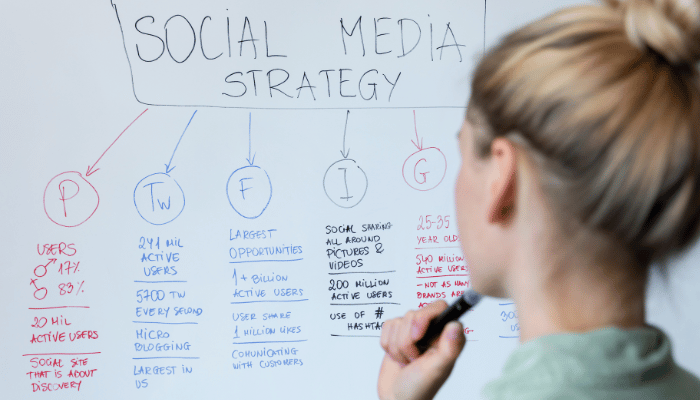
If you want templates and cadence help, look at our Social Media Marketing notes for repurposing schedules. Test one format for 14 days, track clicks with UTMs, and double down on the highest-converting creative.
📌 Key takeaway: Start with one content format — post or Reel — measure clicks, then repurpose what works into the Group and ads.

For paid tests, pick Conversions (when pixel events are verified) or Traffic when you need website visits quickly. Start small — $5–$20/day per ad set — and run for 5–7 days to collect meaningful data. Use automatic placements initially to let Meta optimize delivery.
⚠️ Warning: Meta restricts ads that directly send to affiliate links in many cases. Best practice is to use a landing page you control or a merchant-approved redirect and disclose affiliate relationships on the landing page.
Audience setup: test a customer list or website custom audience, a 1%–3% lookalike, and a layered interest audience related to the niche. Creative testing: run at least 3 creatives x 2 audiences. Example daily budget for tests: $15 total across two ad sets for 7 days gives you signal while limiting spend.
A simple 3-step scaling rule: 1) Find creative with stable CPA for 3+ days; 2) Double budget on winners while monitoring CPA; 3) Expand audience by +10% lookalike or new interests. Pause underperformers and refresh creatives monthly.
💡 Pro tip: Start with 3 creatives and 2 audiences, run for 5–7 days, then pause poor performers and double budget only on consistent winners.
Track the right metrics: CTR for creative health, CR (conversion rate) for landing page quality, CPA for cost control, and ROAS for profitability. Don’t obsess over clicks — measure conversions and profit after ad and product costs.
Optimization rhythm: check the signal daily for the first week, then move to weekly adjustments. Pause ad sets with CPA above your target for 3+ days. Refresh creatives every 2–4 weeks to avoid ad fatigue. When scaling, expand audiences and duplicate ad sets rather than blithely increasing budgets for a single ad set.
📌 Key takeaway: Measure profit-per-click, not just clicks; scale campaigns that are profitable after ad and product costs, not just high-traffic ones.
Get a quick site audit and tracking check so your first campaign starts with reliable data and a clear growth plan.
Quick answers to common questions about affiliate marketing on Facebook.
Yes — Facebook can be a strong channel for affiliate marketing when you pick the right niche and follow platform rules. It performs best for targeted niches, visual products, and creators who actively engage an audience. You should expect to test creatives and tracking, compliance and consistent content matter. Actionable takeaway: test one niche with both organic posts and a small ad budget to validate quickly.
Pick a niche and offers, create a Page and Group, install the Meta Pixel and add UTMs, publish a value post with a disclosure, and run a small paid test. Put disclosure text near the top of posts and pinned Group content. First action: publish one value post and install the pixel so you can start collecting conversion data.
Yes, $100/day is achievable but not guaranteed. It requires an engaged audience, the right offers, and disciplined testing and optimization. Expect weeks to months of testing before consistent profit; start with small paid tests to find winners. Practical tip: track profit per conversion to ensure $100/day is real profit, not just revenue.
It’s possible but requires scale: high-commission or recurring offers, a large engaged audience, conversion-optimized funnels, and scalable paid ads. Focus on increasing average order value and conversion rate, and reinvest profits into scaled ad sets and audience expansion. Roadmap: find winning offers, double down on creatives, then scale audiences and creatives while protecting profitability.