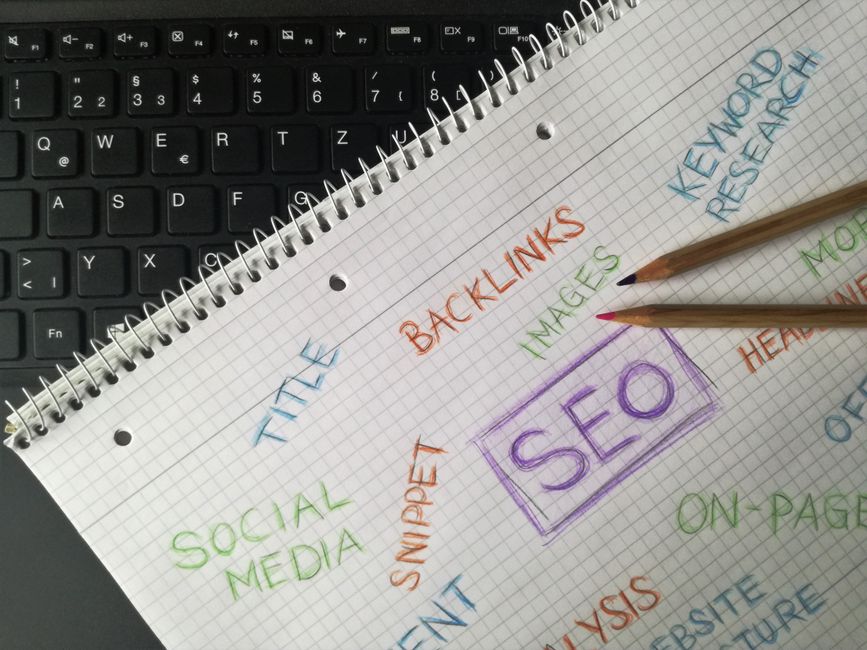
How do I optimize my website for search engines? To optimize your website for Google and AI search engines in 2026, follow these 7 core steps: (1) Fix Technical SEO & Mobile Page Speed, (2) Map Buyer-Intent Keywords to Dedicated Pages, (3) Optimize On-Page Title Tags, Headings & Internal Links, (4) Earn High-Authority White-Hat Backlinks, (5) Audit & Remove Toxic Links, (6) Publish Fresh, Direct-Answer Content, and (7) Upgrade Mobile User Experience (UX) & Schema Markup.
Want to see exactly what is holding your website back on Google? Claim a Free SEO Website Audit from our team.
Search Engine Optimization (SEO) is critical for making your business website visible on Google, Bing, and AI answer engines like ChatGPT and Google AI Overviews. While search algorithms evolve every year, mastering the foundational pillars of on-page, technical, and off-page optimization will dramatically increase your organic traffic and incoming leads.
Whether you are wondering “can I do my own SEO for my website?” or looking for quick SEO wins you can implement this afternoon, this step-by-step guide breaks down the 7 highest-impact ways to optimize your website for search engines in 2026.
Quick SEO Wins vs. Long-Term Website Optimization (2026 Checklist)
Not every SEO task takes 6 months to pay off. Use this priority table to separate 30-minute quick SEO wins from compounding long-term growth levers:
| Optimization Pillar | Quick SEO Win (Do Today) | Time to Impact | Ranking & AI Impact |
|---|---|---|---|
| 1. Title Tags & Meta Descriptions | Front-load your primary keyword + city under 60 characters | 1–3 Weeks | Very High (Immediate CTR & Rank Lift) |
| 2. Internal Linking Structure | Link high-traffic blog posts to core service pages with descriptive anchor text | 2–4 Weeks | High (Passes Page Authority Fast) |
| 3. Direct-Answer FAQ Blocks | Add 5–8 Q&As + `FAQPage` JSON-LD schema to service pages | 2–6 Weeks | Highest for ChatGPT & AI Overviews |
| 4. Technical Speed & Broken Links | Compress WebP images, fix 404 errors & remove redirect chains | 2–6 Weeks | High (Crawl Efficiency & Mobile UX) |
| 5. White-Hat Backlinks & Content | Claim local directory citations & publish weekly buyer-intent guides | 2–6 Months | Highest Long-Term Page-1 Moat |
1. Start With Technical SEO & On-Page Foundations
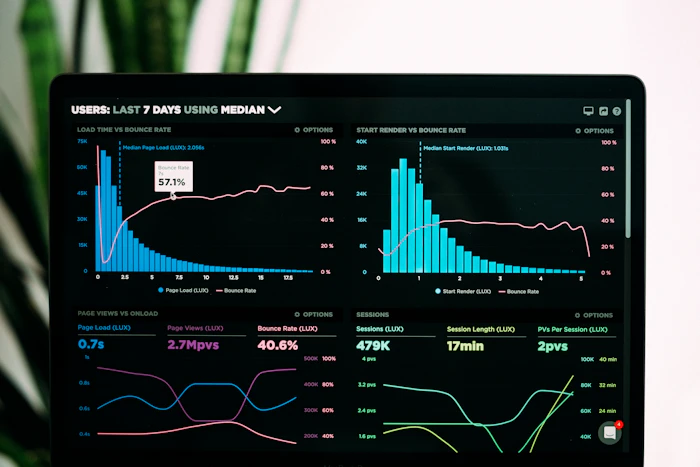
The foundation of any successful search campaign starts with technical and on-page SEO. Skipping this step is like building a house without a foundation—if search crawlers cannot index your pages quickly, even great content will struggle to reach Page 1.
- Page Speed & Core Web Vitals: Convert heavy images to WebP and enable caching so your mobile pages load in under 2.5 seconds.
- SEO Title Tags & Meta Descriptions: Keep titles under 60 characters (~580 pixels) and meta descriptions under 155 characters with a clear value proposition.
- Clean Heading Hierarchy (`H1` → `H2` → `H3`): Use exactly one `H1` per page that matches your primary search query, supported by logical `H2` subheadings.
- Internal Linking: Connect related articles and service pages using descriptive anchor text (see our internal linking strategy guide).
2. Master Buyer-Intent Keyword Research
Keywords are the bridge between your website and paying customers. Instead of guessing what people type into Google, map one primary topic cluster to each page on your website:
- Balance Short-Tail & Long-Tail Keywords: Broad terms like “SEO” are ultra-competitive, whereas specific long-tail searches like “Ottawa SEO agency for small business” or “emergency roof repair near me” convert at 3x–5x the rate.
- Match Search Intent: Use commercial service pages for transactional queries (“hire,” “company,” “pricing,” “services”) and educational blog guides for informational questions (“how to,” “checklist,” “cost guide”).
- Check Google Search Console for “Striking Distance” Queries: Look for queries where your page already ranks between Position #5 and #18—adding a dedicated H2 section for those exact phrases is one of the fastest SEO wins available.
3. Build High-Quality, White-Hat Backlinks

Backlinks remain one of the strongest ranking signals in both traditional Google Search and AI citation engines. They act as third-party votes of confidence proving your business is an established authority.
As we detail in our guide to white-hat link building for Canadian businesses, focus on quality over quantity:
- Authoritative Local & Industry Citations: Claim verified profiles on the BBB, Chamber of Commerce, Yelp, YellowPages, and trade associations.
- Digital PR & Guest Contributions: Contribute expert commentary and original data to relevant industry publications.
- Linkable Guides & Case Studies: Publish original checklists, pricing tables, and calculators that other websites naturally reference.
4. Audit Your Backlink Profile & Clean Up Broken Links
Not all links help your site. Cheap, automated link schemes or spammy scraper domains can dilute your authority—and broken internal/outbound links waste crawl budget.
- Use Google Search Console or Semrush quarterly to inspect your referring domains and anchor text distribution.
- Fix any old external links pointing to dead URLs and replace outdated internal redirects with direct HTTP 200 links.
- If your domain was previously hit by an overseas spam attack, use Google’s Disavow Tool carefully to neutralize toxic networks.
5. Publish Consistent, Direct-Answer Content (SEO + AEO)

Search engines reward websites that consistently publish fresh, expert-reviewed content—and refreshes of older blog posts often deliver some of the fastest traffic jumps.
When optimizing website content through our SEO article & blog writing services, we place a 40–60 word direct answer right under each H2 heading, include comparison tables, and add structured FAQ blocks so ChatGPT, Perplexity, and Google AI Overviews extract and cite your website directly.
6. Add Schema Markup & Stay Ahead of Google Core Updates
Google rolls out core algorithm updates several times a year to reward first-hand experience, author transparency (E-E-A-T), and structured data. Adding JSON-LD schema markup (`LocalBusiness`, `Service`, `Article`, and `FAQPage`) plus clear author bios and verified customer reviews protects your rankings during algorithm shifts.
7. Enhance Mobile User Experience (UX) & Conversion Paths

Over 60% of local and service searches happen on mobile devices. When visitors can navigate your site effortlessly, read high-contrast text without pinching or zooming, and tap a click-to-call button or short quote form in seconds, both your conversion rate and your Google engagement metrics climb.
Pair clean mobile navigation with live social proof—like verified Google reviews and real case study numbers—to turn organic searchers into booked clients.
Ready to Boost Your Google & AI Search Rankings?
SEO isn’t a one-time checklist—it’s a compounding asset. Whether you want a free diagnostic audit of your current site or a month-to-month Local & Organic SEO campaign handled by our specialized team, Profit Parrot is ready to help.
Why 90+ Businesses Trust Profit Parrot Marketing (4.9★ on Google)


Frequently Asked Questions About Optimizing Your Website for SEO
1. Can I do my own SEO for my website?
Yes—you can handle foundational SEO on your own by claiming your Google Business Profile, writing clear title tags and meta descriptions, adding internal links between your pages, and publishing helpful blog answers. However, for competitive keywords, technical site audits, schema markup, and white-hat backlink acquisition, partnering with an experienced SEO agency saves hundreds of hours and accelerates Page-1 rankings.
2. What are the fastest quick SEO wins for a small business website?
The 4 fastest quick SEO wins are: (1) updating page title tags to front-load your primary service + city, (2) adding internal links from your highest-traffic blog posts to your core service pages, (3) adding a 5-question FAQ block with schema markup to pages ranking in positions #5–#15, and (4) optimizing your Google Business Profile categories and reviews.
3. What is technical SEO, and why is it important?
Technical SEO focuses on optimizing your website’s underlying infrastructure—including mobile page speed, Core Web Vitals, XML sitemaps, clean URL hierarchy, canonical tags, SSL security, and fixing broken 404 links—so search engines can crawl and index every page without friction.
4. How long does it take to see SEO results?
Quick on-page edits to existing pages (title tags, internal links, and Google Business Profile optimization) often produce measurable impression and ranking lifts within 2 to 6 weeks, while full organic Page-1 campaigns for competitive keywords typically build over 3 to 6 months.
5. Why are backlinks still important for SEO in 2026?
High-quality backlinks act as verified third-party endorsements from other reputable websites, signaling to both Google’s ranking algorithm and AI answer engines (ChatGPT, Perplexity, Google AI Overviews) that your business is a trusted authority worth citing.
Written by Lark Begin · Reviewed with Jean-Marc Begin
Lark Begin is the Co-Founder and Head of SEO & AEO Strategy at Profit Parrot Marketing, an award-winning SEO and digital marketing agency she founded with Jean-Marc Begin (who leads customer relations and sales). With over 17 years of experience in technical SEO, Google Business Profile optimization, and AI search visibility, Lark architects the data-backed search strategies executed day-to-day by Profit Parrot’s specialized in-house team.