Looking for a facebook marketing group that actually helps your small business get traction? If you have a limited ad budget and need fast feedback, the right Facebook group can save hours and dollars by connecting you with peers who test the same tactics. In this guide, you’ll find a short directory of group types, a quick vetting checklist to choose where to join, and a 30-day engagement plan so you start seeing replies and leads quickly.
This article focuses on practical, small-business-friendly groups: ad-focused communities for campaign troubleshooting, broad hubs for strategy, local groups for partnerships, and high-activity communities for fast feedback. You’ll also get a simple checklist to evaluate groups before you join and a clear 30-day plan to engage without sounding pushy. Ready to find a facebook marketing group that fits your goals?
✓ Quick Answer
A Facebook marketing group is a Facebook Group where marketers and small-business owners exchange marketing tactics, ask questions, and promote offers. To find the best ones, search by niche keywords, check recent activity, review group rules and admin responsiveness, and prioritize groups with high engagement and clear moderation.
Active communities give you answers in hours, not days. The Social Media Marketing Community is full of page managers, content creators, and freelance marketers who post creative prompts, recent test results, and quick copy/creative critiques. For an SMB, that means faster validation of ideas and faster fixes when something breaks.
What to expect: short threads asking for creative feedback, morning posting bursts on weekdays, and links to recent case posts. To introduce yourself, state one clear result and one ask so members know how to respond. Example openers: “Local bakery, increased weekend walk-ins 18% — any cheap promo ideas for weekday traffic?” or “We sell woodworking kits online — seeking copy tweaks to improve add-to-cart rate.”
💡 Pro tip: Introduce yourself with a one-sentence value statement and a clear ask, for example: “Local bakery, trying to increase weekday footfall — any simple promo ideas?” Post early morning on weekdays for higher engagement.

A broad hub like Digital Marketing Hub is ideal when you want cross-discipline input — SEO, ads, email, and CRO. SMB owners benefit when a question touches multiple channels: for example, asking whether a landing page change will hurt both ad performance and organic rankings. Before posting, scan pinned posts and use category tags or threads to find similar past discussions.
How to avoid overload: follow tag filters, read the group rules, and search for keywords before posting. If a thread attracts unhelpful self-promotion or one-line replies, flag it and rely on pinned resources or a smaller niche group for tactical fixes. Also check Moz or Google Search Central for baseline SEO checks before asking for organic advice.
⚠️ Warning: Avoid posting full client diagnostics or sensitive metrics; many suggestions online lack context. Verify advice before making costly changes.
This group is tailored for non-marketers who run businesses. Posts focus on practical, low-cost solutions: local promotions, referral partnerships, packing quick social proof, and simple ad test ideas. Peer feedback often reflects real-world constraints rather than agency theory, which makes it useful if you’re wearing many hats.
Two copy-ready openers you can use: “I run a mobile car-detailing business in Austin; my weekday slots are slow — any low-cost promos to fill two extra spots per week?” and “We sell handmade candles online; conversion drops after a site redesign — where should I start testing to improve checkout flow?” Use these to be clear and get faster, practical replies.
📌 Key takeaway: Small-business groups reward practical, specific asks. Give clear context and a measurable goal to get actionable referrals and local partnerships.
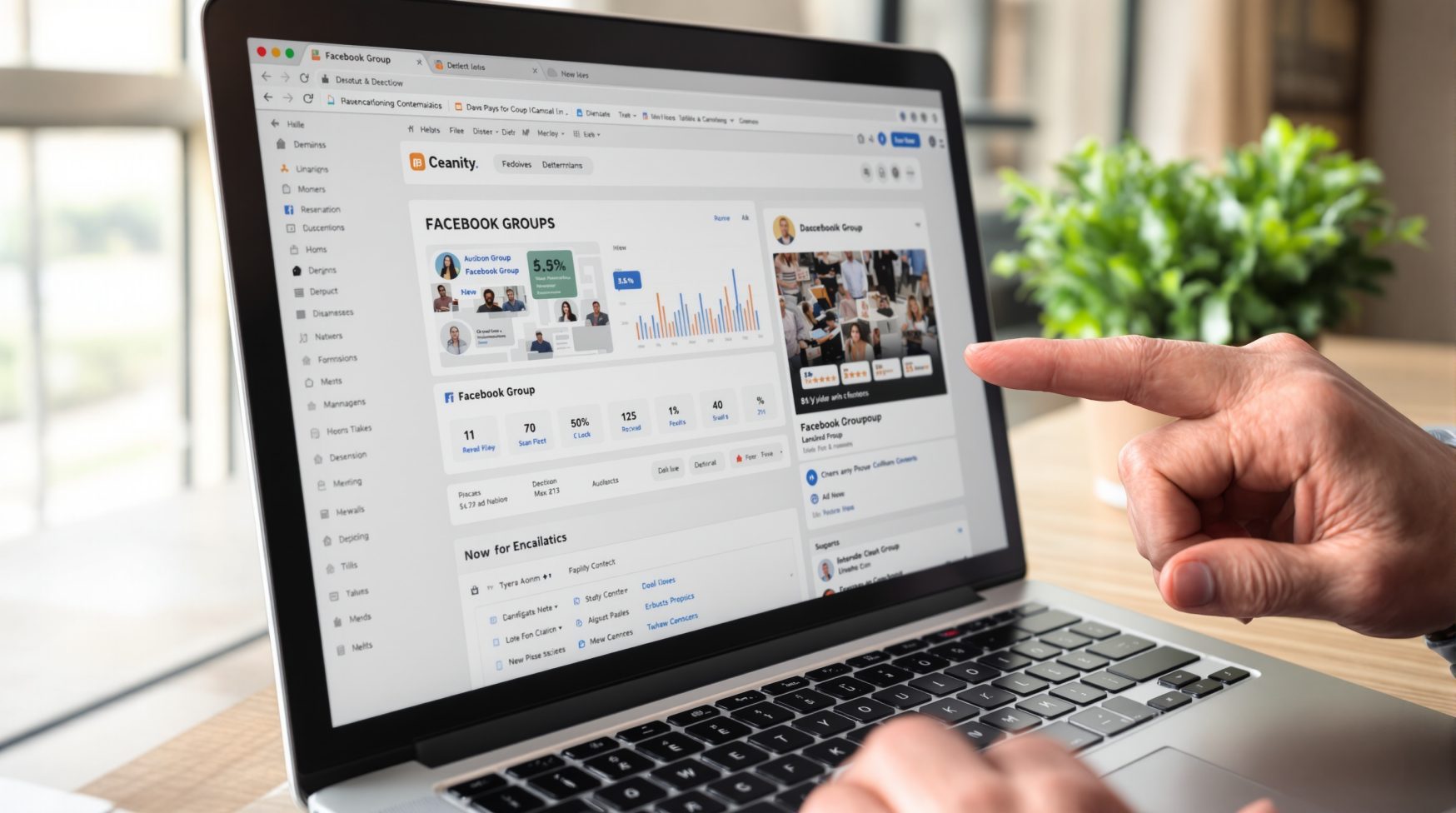
Ad-focused groups are where you’ll get quick creative feedback, pixel-troubleshooting tips, and scaling recommendations. These communities often include experienced buyers who share what worked at specific budgets and for particular verticals. But they can be noisy and opinionated, so bring clear metrics when you ask for help.
Script-style example to share an ad for feedback: “Ad: carousel creative, headline ‘Free workshop’, landing page: /landing, CPC: $0.92, CTR: 1.1%. Looking to improve CTR — suggestions on creative or copy?” Always include the metric you want to improve and one testable change to compare later.
📌 Key takeaway: Ad groups are great for fast, practical fixes. Always A/B test recommended changes on a small budget before rolling them out at scale.
Local groups are where you find partnerships, cross-promotions, and neighborhood referrals. Search patterns that work: “[City] marketing”, “[City] small business”, or “[City] business networking.” Check member intros to ensure the group has local participants and watch for recent posts that reference in-person events or local offers.
Local groups often have a different tone — more community-focused and less experimental. Combine them with neighborhood buy/sell pages or your local chamber of commerce to promote events or limited-time local offers. When posting offers or events, be clear about who can redeem and include local landmarks to avoid confusion.

Use a quick checklist to score potential groups before you join. Look at daily activity, moderation, member expertise, and pinned resources. Give each criteria Low, Med, or High. Prioritize groups with High activity and clear moderation. After joining, do a short trial post and measure reply quality and speed in the first 72 hours to confirm fit.
💡 Pro tip: Do a “trial post” after joining: ask a clear, non-promotional question and measure the quality and speed of replies in the first 72 hours to assess fit.
| Criteria | What to look for | Quick score (Low/Med/High) |
|---|---|---|
| Daily activity (posts/comments) | Multiple posts and replies each day; recent timestamps | High = consistent daily engagement |
| Moderation & rules enforcement | Clear rules, active admins, and few spam posts | High = prompt admin action |
| Member quality (experts vs beginners) | Look for repeat contributors with case shares and tests | High = experienced contributors present |
| Pinned resources/useful links | Guides, templates, and past threads linked in pins | High = helpful pinned content |
If you want a quick site review that helps your posts and ads perform better, claim a free audit and action plan tailored to your business.
Quick answers to common questions about facebook marketing groups.
Yes — with caveats. Facebook marketing can produce real results for SMBs when you target the right audience and test creative and offers. But watch for low-quality advice or get-rich-quick promises in some groups; verify suggestions by looking for case examples or consistent admin moderation. Action: test one new tactic on a small budget and measure results before scaling.
Costs vary by industry and targeting. Click costs (CPC) fluctuate, and CPMs do too; a reasonable ballpark from industry reports is roughly $0.60–$1.20 CPC and $10–$15 CPM, but your results may differ. Understand the difference between CPC and CPM before budgeting. Action: run a small test campaign to determine your actual cost per click for your audience and creative.
There are multiple paths: paid ads, organic lead generation via groups, subscriptions or memberships, and direct sales through a Facebook Shop. Start by optimizing your Business Page, use groups for targeted organic outreach, and test a small paid campaign to compare ROI. Tactical next step: pick one monetization path and run a 30-day test with measurable goals.
Yes — $500 can be a workable test budget, depending on your goals and industry. It’s enough to run multiple small tests across audiences and creatives to gather initial data. Spread the budget across several ad sets, track results closely, and double down on the top performers rather than trying to scale everything at once.