Want a repeatable channel that builds trust and turns conversations into customers? A facebook marketing group can outperform a page for engagement because members join to learn, share, and interact. In this guide, you’ll see an SMB-friendly, ad-light playbook for launching, growing, qualifying, and measuring a group that actually converts.
You’ll get four clear steps: plan your group, launch with the right membership questions and starter posts, grow engagement with a weekly content framework, and qualify members into leads using simple flows and KPIs. This approach works for social media marketing groups of all niches, especially small local businesses and service providers.
✓ Quick Answer
A Facebook marketing group is a public or private Facebook community businesses use to build relationships, deliver value, and generate leads. Start with clear rules, member-qualification questions, a weekly content framework, and measurable engagement-to-lead KPIs to convert active members into customers over time.

Start by choosing one measurable business goal for the group: brand awareness, leads, or support. Pick a single KPI that maps to that goal — for leads use “leads per month,” for awareness use “weekly active members.” Define a target for the first 90 days so the team focuses on what matters.
💡 Pro tip: Pick one measurable goal for the first 90 days (for example, 50 weekly active members or 5 leads/month) and map one KPI to it. This focus prevents spreading effort too thin.
Define your target member persona and the member qualification criteria that matter to your goal. For a local cafe, that might be “lives within 5 miles” and “interested in weekly specials.” For an online accountant, look for “small business owner” and “planning 2026 taxes.” Write 2–3 lines describing your ideal member.
Pick the right group type (private if you want higher signal, public for discovery) and a clear name that includes your niche keywords. Create 3–5 core rules that set expectations. Example rule template: “Do: Ask for help and share wins. Do not: Post unsolicited promotional links.”
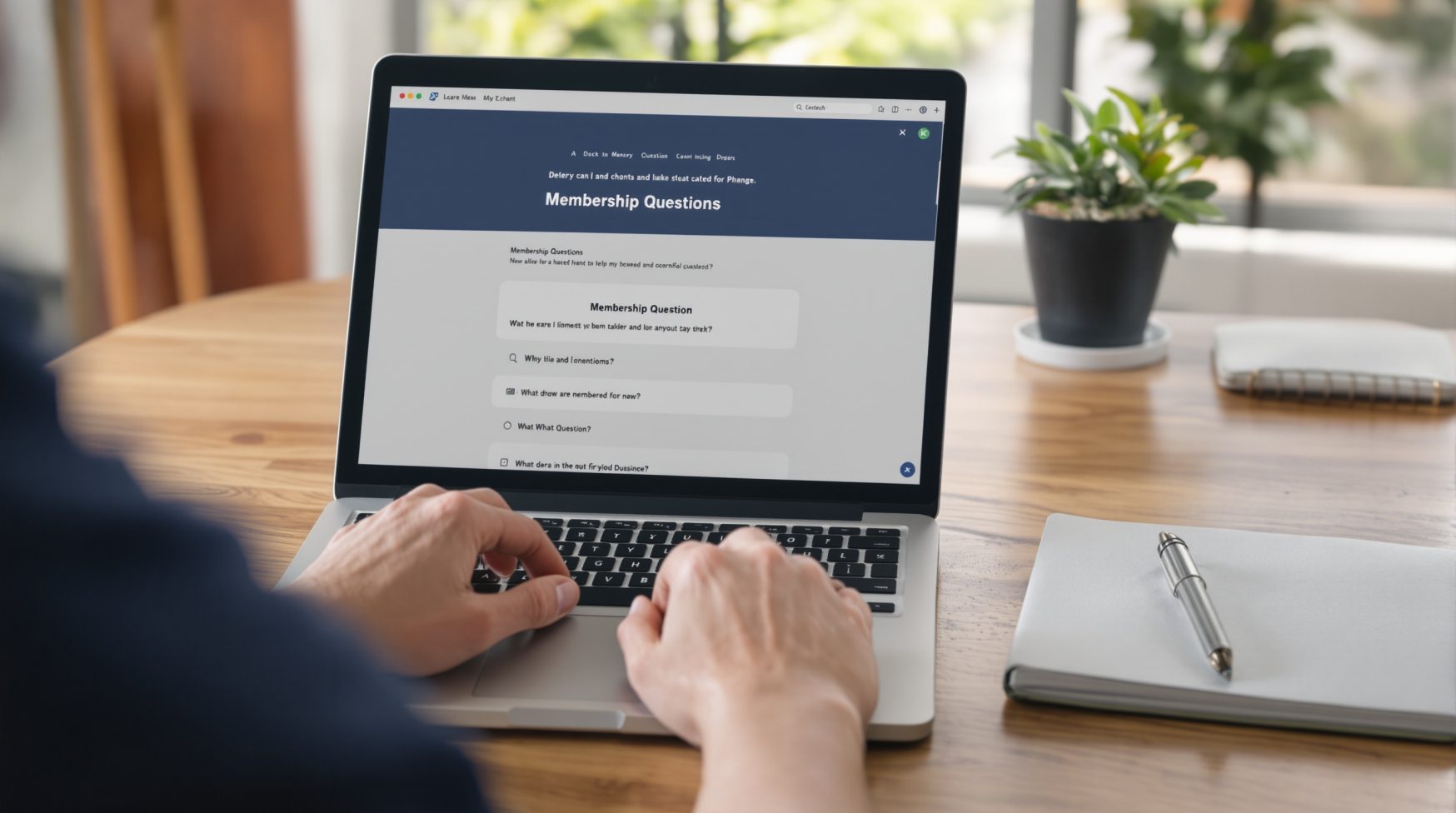
When you open membership, use 2–3 qualification questions that screen for fit without scaring people off. Keep them short and optional if you need volume. Good examples: “Are you a business owner? (Yes/No)”, “What city are you in?”, “What’s your biggest marketing challenge right now?”
⚠️ Warning: Avoid immediately posting promotional offers. If you promote too early you risk being flagged by moderators and losing trust; wait until members show interest through comments or DM requests.
Seed your group with 20–50 people before broad promotion. Invite customers, partners, collaborators, and a few engaged contacts who will comment on your first posts. Create six starter posts: a welcome, group guidelines, three value posts, and a discussion prompt to spark replies.
Starter post prompts (one-line): Welcome — “Introduce yourself and tell us your business.” Guidelines — “How to ask for feedback here.” Value post 1 — “A quick checklist to improve your local listing.” Value post 2 — “3 time-saving tools I use.” Value post 3 — “Case snippet: how a customer increased bookings.” Discussion prompt — “What’s one question you need help with this week?”
📌 Key takeaway: Seed your group with 20–50 engaged members before public promotion: invite customers, partners, and collaborators to ensure first posts get comments.

Use a predictable weekly content framework so members know what to expect and return regularly. The goal is to increase active engagement (comments and replies) which you can tie to lead opportunities. The example below uses themed days that are easy to run without heavy resources.
Small-business examples: a local cafe can run “Value Monday” with a quick brewing tip and “Member Spotlight” featuring a regular; an accountant can offer a weekly tax tip and a short case describing bookkeeping wins. Use polls to collect topics and invite comments with one clear CTA: “Reply if you want the template.”
Partner promotions and tasteful cross-posting can bring niche members in. Ask a partner to share an invite to their audience in exchange for an exclusive co-hosted Q&A. Keep any promotions relevant to members so the group tone stays helpful, not spammy.
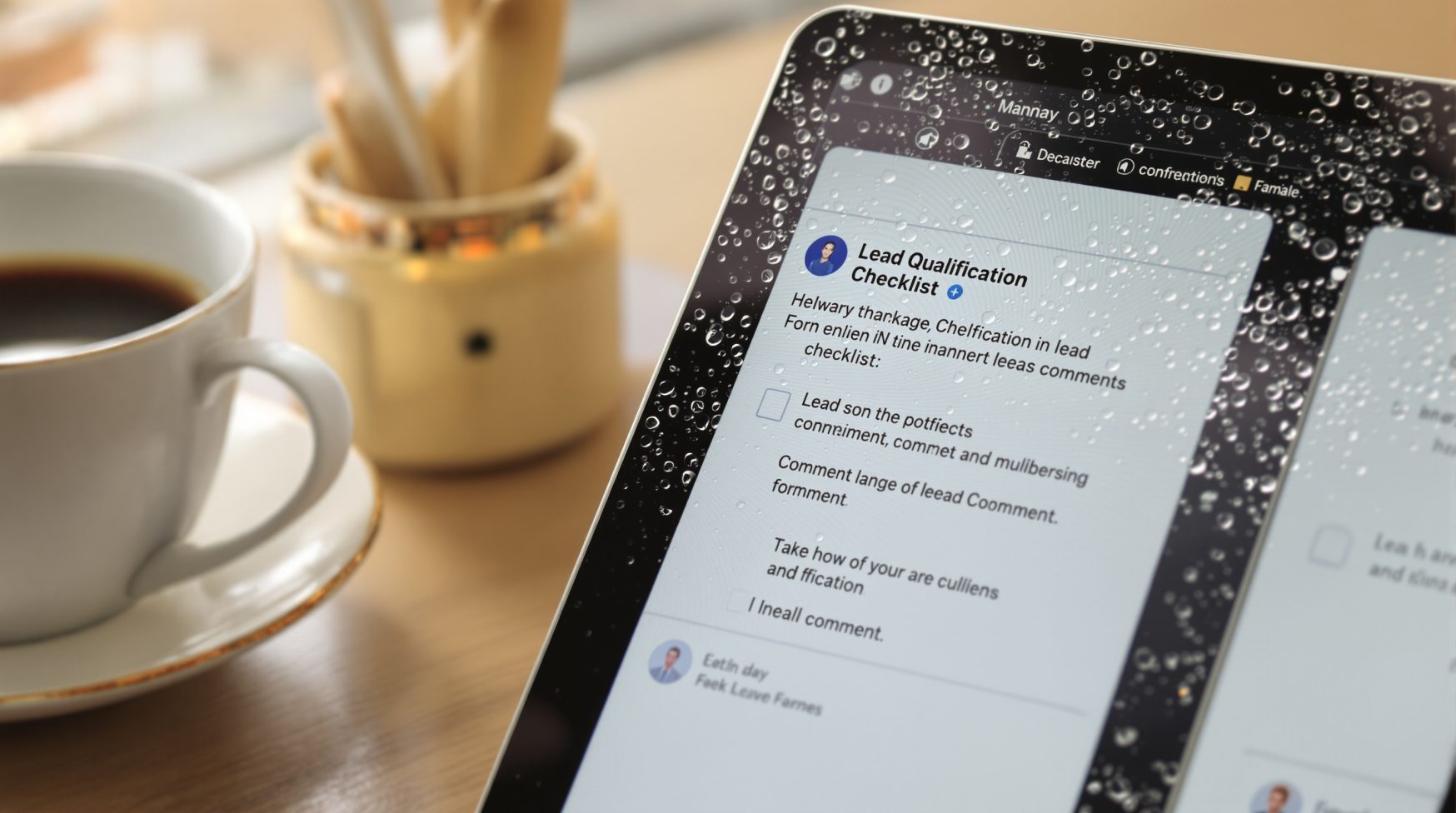
Use membership questions and a welcome sequence to capture intent right away. If someone answers “Yes” to being a business owner and lists a timeframe for hiring help, mark them as a warm lead. Then follow up with a friendly DM offering a short consult or a useful resource.
| Qualification Question | Why it Matters | Action if Yes / No |
|---|---|---|
| Are you a business owner? | Confirms potential for paid services or partnerships. | Yes: DM to offer consult. No: Add to nurture list. |
| What city are you in? | Helps qualify for local offers and events. | Local: Invite to local event. Else: Offer online resource. |
| What is your timeframe? | Shows urgency to buy or plan. | Soon: Fast follow-up. Later: Add to drip sequence. |
| Budget range? | Helps route to the right offering or free resources. | Adequate: Offer consult. Low/no budget: Invite to free webinar. |
Route hot leads into a simple conversion flow: a DM offering a free 15-minute consult, or a link to a focused landing page that books a call. Respect group rules by avoiding mass promotional threads; use private messages or a pinned resource post to capture opt-ins.
Track a small set of KPIs each week and month. For SMBs we recommend: weekly active members (WAM), comments per post, leads per 100 active members, and conversion rate from lead to consult. Set target ranges so you can tell when to experiment versus when to scale.
💡 Pro tip: Track leads per 100 active members monthly; if this metric is below your target, experiment with stronger CTAs in discussion posts before increasing ad spend.
Run a simple A/B test: post format A (short checklist) vs format B (short video) on the same topic, measure comments and link clicks over 48 hours, and pick the winner. Decision rule: if one format gets 25% more comments consistently, favor it for the next two weeks.
When the KPIs meet your targets, scale by launching sub-groups, paid events, or targeted invites. If you plan to use paid promotion, start small and test audiences. For guidance on organic discovery and reputation, see the Social Media Marketing page on our site for related tactics.
If you want help mapping KPIs to offers and building a launch plan, we can help with a free review and next steps.
Quick answers to common questions about facebook marketing group management and promotion.
Do Facebook group marketing by creating or joining relevant groups, providing consistent value, building trust, and then converting interested members into leads. Start by seeding members and posting a weekly content framework. Add moderation and member qualification to keep quality high. Actionable first step: set up membership questions and invite 20 warm contacts within 24 hours.
Facebook ad costs vary by bid, industry, and targeting, but a common estimate is about $0.50–$1.00 per click; CPMs often range near $10–$15. Promoting a group can be more cost-efficient because organic reach inside groups is stronger, but paid promotion still helps kickstart membership. Tip: estimate spend by multiplying your target clicks by a conservative $0.75 CPC when creating a small test budget.
Yes, you can start with $10/day but expect limited reach and slower learning. With $10/day you can test a small audience and optimize creative; you may need to run the test for 7–14 days to gather clear data. Scale beyond $10/day when your cost per lead is within your acceptable range and your conversion flow (landing page or booking) is proven.
You can earn from Facebook marketing through lead generation, paid events, in-group sales, and selling services. SMB-friendly examples: offer paid webinars or workshops, book consults from warm members, or sell product bundles to a subgroup. Quick action: run a low-friction paid event or one-week special and measure registrations as a pilot.
The best groups depend on your niche and goals: look for active, niche communities with clear rules and engaged moderators. Evaluate groups by activity level, relevancy, moderation quality, and promo rules. Action: join three groups that match your niche and track engagement for two weeks to see where you contribute and learn most.