Ever hired a marketing partner that promised growth and delivered confusing reports instead? Picking the wrong facebook marketing agency can waste months of ad spend and cost you momentum. For small and medium businesses, that delay is often the difference between meeting monthly targets or falling behind.
This guide gives a practical, step-by-step pre-hire checklist you can use today: how to define goals, shortlist candidates, run a 15-minute audit, ask the right interview questions, and negotiate contract terms so you protect your budget. Read to the end for a clear next step and a free consultation offer.
✓ Quick Answer
A Facebook marketing agency plans, creates, and optimizes paid and organic campaigns on Facebook and Instagram to drive leads and sales for businesses. To pick one, define goals and KPIs, short-list partners with proven results, run a quick audit, and insist on clear reporting and contract terms before hiring.

Before you search for a facebook marketing agency, get clear on what success looks like. Pick 2–3 primary goals such as lead generation, direct sales, or return on ad spend (ROAS). For a local cafe you might prioritize cost-per-visit and coupon redemptions; a B2B SaaS startup might track trial signups and MQL-to-SQL conversion rate. Naming goals makes vendor promises easier to evaluate.
Decide a realistic monthly ad budget and a management fee range before you talk to agencies. Example statements: “Target: 20 leads/month at a CPA under $50 with $2,000/month ad spend” or “Goal: 3x ROAS from prospecting campaigns with $5,000 monthly spend.” Also pick three KPIs like CPA, ROAS, and conversion rate, and use simple formulas so everyone measures the same thing.
💡 Pro tip: If you only have a small ad budget, prioritize CPA-focused pilots and set a 90-day test budget with clear KPIs to minimize risk.
Mini checklist to copy into outreach emails: 1) Primary goal(s) and acceptable CPA/ROAS; 2) Monthly ad budget; 3) 3 KPIs and how you calculate them (example: CPA = ad spend / purchases). Paste these as the opening of your RFP so agencies reply with focused recommendations, not generic promises.
Start with Meta Business Partners, Clutch, referral recommendations, and agency websites. Look for case studies that match your industry and budgets. A good case study shows the timeframe, the KPIs before and after, and the tests run — not just “growth” or “reach.” If an agency has lots of social proof but no conversion metrics, ask for deeper evidence.
Check portfolios for industry relevance: a facebook ads agency with strong e-commerce case studies may still run great lead-gen for a local business, but prioritize agencies that show similar conversion funnels. Use this shortlist to schedule 20–30 minute discovery calls and score their fit.
⚠️ Warning: Beware agencies that only show aggregated “reach” or “followers” metrics without conversion numbers; ask for conversion rate and cost-per-acquisition evidence.
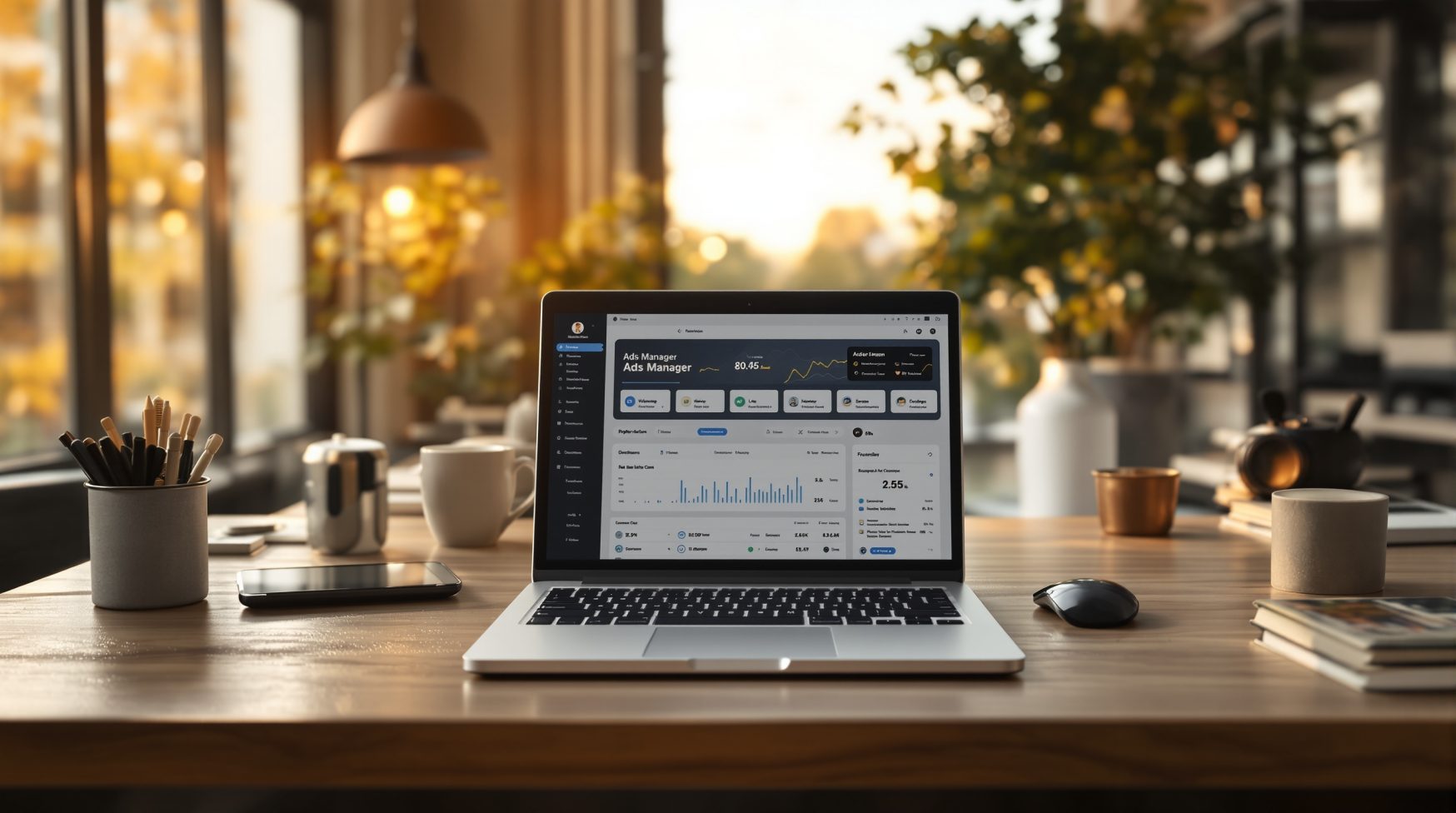
Quick vetting checklist (use on calls): request campaign dates, ROAS or CPA numbers, and at least one raw screenshot from Ads Manager. If they can’t share dates or concrete numbers, mark that as a red flag. Also ask for client references you can call or email.
If you want deeper reading on digital marketing fundamentals while you vet vendors, see the Moz SEO Guide for clear principles you can apply to landing pages and tracking. And check agency profiles against their public reviews to spot patterns rather than one-off praise.

Run a 15-minute audit before committing. Focus on advertiser setup (who owns the ad account), pixel and event configuration, sample creative, and recent performance snapshots. Then use a short interview script to compare finalists on the same criteria so you can make a fair choice.
| Checklist item | Why it matters | How to verify |
|---|---|---|
| Pixel & events installed | Accurate conversion data drives bidding and reporting. | Ask for a tracking ID or a screenshot of events firing in real time. |
| Recent campaign ROAS examples with dates | Shows they can produce results and when. | Request Ads Manager screenshots that include campaign names and dates. |
| Reporting cadence and sample report screenshot | You need consistent insights, not ad-hoc updates. | Ask for a monthly report example with KPI columns highlighted. |
| Team members assigned | Names show accountability and capacity. | Request bios or LinkedIn profiles of the people who will manage your account. |
| Testing approach (A/B/C) | Shows whether they iterate and learn quickly. | Ask for examples of past tests and their learnings. |
| References from similar clients | Confirms claims and long-term performance. | Call or email a past client and ask about results and communication. |
Use these exact interview questions on your calls. Score answers from 1–5 so you can compare agencies objectively:
1) Who will own and have access to the ad account? Strong answer: your business retains ownership with agency-granted access. Weak answer: agency says they’ll “manage everything” without clear ownership. 2) How do you track conversions end-to-end? Strong: shows pixel, server-side events, and GA/UTM alignment. Weak: vague “we track with Facebook pixel.” 3) Show one recent ROAS/CPA example and the campaign dates. Strong: gives numbers and dates; weak: gives a percent increase without context.

Common pricing models include a percentage of ad spend, flat retainers, or performance fees. For small budgets, flat monthly management or a capped retainer often gives predictable costs. Ask for a detailed breakout showing how much goes to media vs management so you can compare true costs across agencies.
Request specific contract clauses: a 30-day termination right for early exits, a 60–90 day trial with defined KPIs, clear SLAs on reporting cadence, and an explicit ownership clause so your accounts and data remain yours. If they resist data access, that’s a red flag and a negotiation point.
📌 Key takeaway: Insist on monthly KPI reports, access to raw data, and a 30-day termination clause so you can exit if results don’t materialize.
If you want a partner who also supports landing page and SEO improvements, mention this early. For help aligning paid campaigns with organic strategy, see our SEO Services page. Clear contract language prevents surprises and ensures you can measure the agency on the goals you defined in Step 1.
Get a free audit of your current setup and a short plan you can use to interview agencies. We focus on measurable steps so you can hire with confidence.
Quick answers to common questions about choosing a facebook marketing agency.
Pick an agency that aligns with your goals, budget, and KPIs. Define goals, verify experience with similar clients, request raw reporting, and run a short pilot using the 15-minute audit checklist above. Action: schedule a 30-minute audit call and bring the interview script in this article to score their answers.
Ask about ownership of accounts, tracking and attribution, reporting cadence, team members, and concrete KPI examples. Strong answers include named team members, Ads Manager screenshots with dates, and clear tracking setups. Weak answers are vague or avoid data access. Takeaway: bring these questions to your first call and score the responses.
Agency pricing varies: some charge a percentage of ad spend, others a flat retainer, and some use performance-based fees. For small budgets, a flat management fee or a capped retainer is often more predictable. Always ask for a line-item breakout of ad spend vs management fees and consider a short paid pilot to test fit before a long-term commitment.
A Facebook (Meta) agency partner is a vendor verified by Meta for skills and performance. Partner status can indicate access to tools and training, but it’s not a guarantee of fit. Treat partner badges as one factor alongside track record, reporting quality, and client references when choosing a provider.
Search local listings, Clutch, LinkedIn, and the Meta Business Partner directory, and filter by industry experience. Check local references and schedule video calls to evaluate chemistry. Prioritize measured results and reporting over office proximity unless in-person handoffs are essential for your business.