

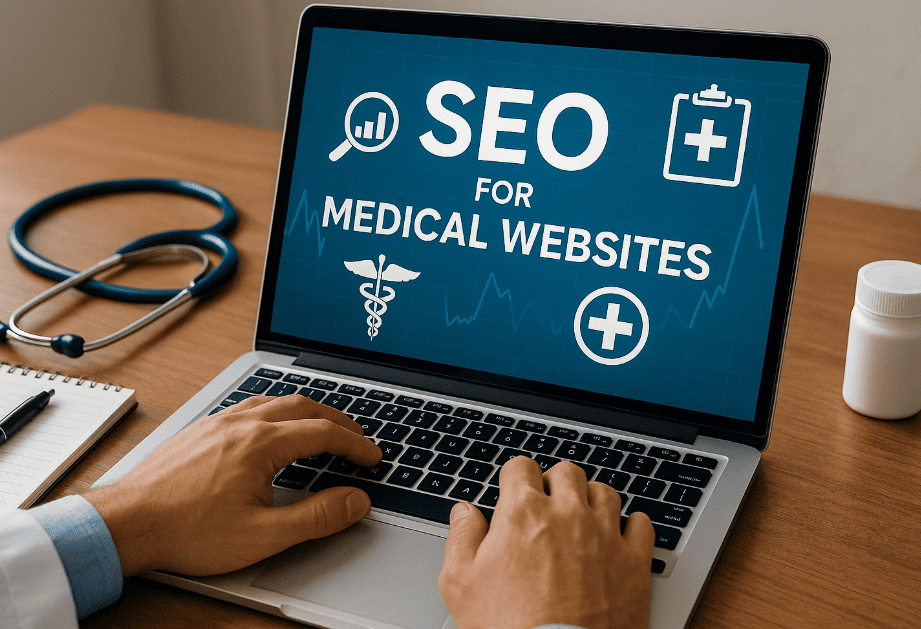
Yes — seo for medical website success is achievable by combining proper technical SEO, localized content, strong Google Business Profile setup, and strict E-A-T/compliance measures to convert searches into appointments.
Searches for medical and local services are high-intent. Someone searching for “seo for medical website” may be an administrator trying to attract patients; similarly, a search for “dental website seo” or “real estate website seo” indicates a need for both local visibility and trust. Local results and the Google Local Pack often dominate page one for service queries, which means being visible there dramatically increases appointment volume.
Before creating content, fix technical issues that block discovery and slow pages. Here’s a prioritized checklist you can implement in order.
Example snippet (JSON-LD) — adapt to your practice and clinician names:
{
  "@context": "https://schema.org",
  "@type": "MedicalBusiness",
  "name": "Springfield Family Dental",
  "image": "https://example.com/photos/office.jpg",
  "@id": "https://example.com",
  "url": "https://example.com",
  "telephone": "+1-555-555-5555",
  "address": {
    "@type": "PostalAddress",
    "streetAddress": "123 Main St",
    "addressLocality": "Springfield",
    "addressRegion": "IL",
    "postalCode": "62701",
    "addressCountry": "US"
  },
  "openingHoursSpecification": [{"@type": "OpeningHoursSpecification","dayOfWeek": ["Monday","Tuesday","Wednesday"],"opens":"08:00","closes":"17:00"}]
}
Well-structured content is the backbone of niche SEO. For clinics and agents, map keywords to pages: service pages, condition/diagnosis pages, provider bios, and neighborhood landing pages for real estate. Use the primary keyword “seo for medical website” when talking about site-level strategy and include secondary keywords like “dental website seo” and “real estate website seo” where relevant.
Example service page outline (ready-to-use):

Local visibility often drives the majority of appointments. Optimize your GBP fully: accurate categories, services, appointment URL, photos, and posts. Consistency of NAP (Name, Address, Phone) across the web reduces confusion for search engines and users.
“Patients decide quickly; a well-maintained Google Business Profile and friendly review replies increase appointment bookings.”
Health content is scrutinized. Demonstrate expertise with author bylines, link to peer-reviewed sources when appropriate, and avoid sensational claims. Make privacy and communication clear — inform users about how you handle patient information and ensure your contact/booking flows do not require unnecessary PHI before secure channels are established.
For medical and dental practices, high-quality local links can come from partnerships, community sponsorships, local news, and professional associations. For real estate, neighborhood guides, local market reports, and realtor associations are valuable.
Traffic is only valuable when it converts. For clinics and agents, make booking effortless. Test different CTAs, reduce friction in forms, and use strong trust elements.

Track performance with Google Analytics/GA4, Search Console, and a call-tracking solution. Focus on KPIs that matter: organic conversions, GBP clicks and calls, and keyword rankings for top services. Decide between DIY and agency based on bandwidth, compliance needs, and budget.
| Scenario | Best First Step | When to Hire an Agency |
|---|---|---|
| Small clinic with limited budget | GBP + 1 service page + review system | After 3-6 months if growth stalls |
| Multi-location practice | Local landing pages + central analytics | Immediately — manage scale and consistency |
| Real estate agent | Neighborhood pages + listing schema | When you need ongoing content & backlinks |
Use these short templates to accelerate work.
Downloadable checklist idea: Create a PDF with the technical checklist, GBP checklist, and an editable service-page template to hand to staff or contractors.
Start with Google Business Profile setup, one optimized high-intent service page, and a simple review generation process. Use free tools (Search Console, Lighthouse) and focus on local long-tail keywords where competition is lower.
Use DentalOffice or MedicalBusiness schema, Organization, Person for clinicians, and FAQ/Service schemas where relevant. Include credentials in Person markup and a link to clinician profiles in the JSON-LD.
Yes. Avoid guaranteeing outcomes, protect patient privacy, gain consent for testimonials, and consult legal counsel for advertising rules in your jurisdiction. Always align clinical claims with reputable sources and avoid unverified statements.
Real estate relies heavily on listing schema (Offer, Product for listings), frequent updates (new listings, market reports), and hyperlocal neighborhood pages. Medical sites focus more on E-A-T and compliance, though both need strong local signals.
Track organic visits, booked appointments (online and phone), GBP interactions, keyword positions for top services, and volume/quality of reviews. Use call tracking and consistent UTM tagging to attribute leads accurately.
If you need help with compliance-aware content, multi-location scaling, or want faster, measurable growth, a specialized healthcare SEO agency is worth considering. For most small clinics, a focused DIY plan on local fundamentals brings measurable improvement.
Ready to improve your practice or agency’s local visibility? Start with a free checklist and a single prioritized service page, then measure the impact for 90 days. If you’d like help building a customized plan, contact us for an audit.