Search Engine Marketing (SEM) is one of the fastest, most measurable ways to put your business in front of high-intent buyers the exact moment they are searching for your services.
What are the 5 biggest benefits of Search Engine Marketing for your business?
- Instant High-Intent Traffic: Places your business at the very top of Google search results immediately while your organic SEO builds momentum.
- Exact ROI & Conversion Tracking: Tracks every click, phone call, booked consultation, and dollar of revenue down to the exact keyword.
- High-Converting Remarketing: Re-engages past website visitors who compared prices but didn’t convert on their first visit.
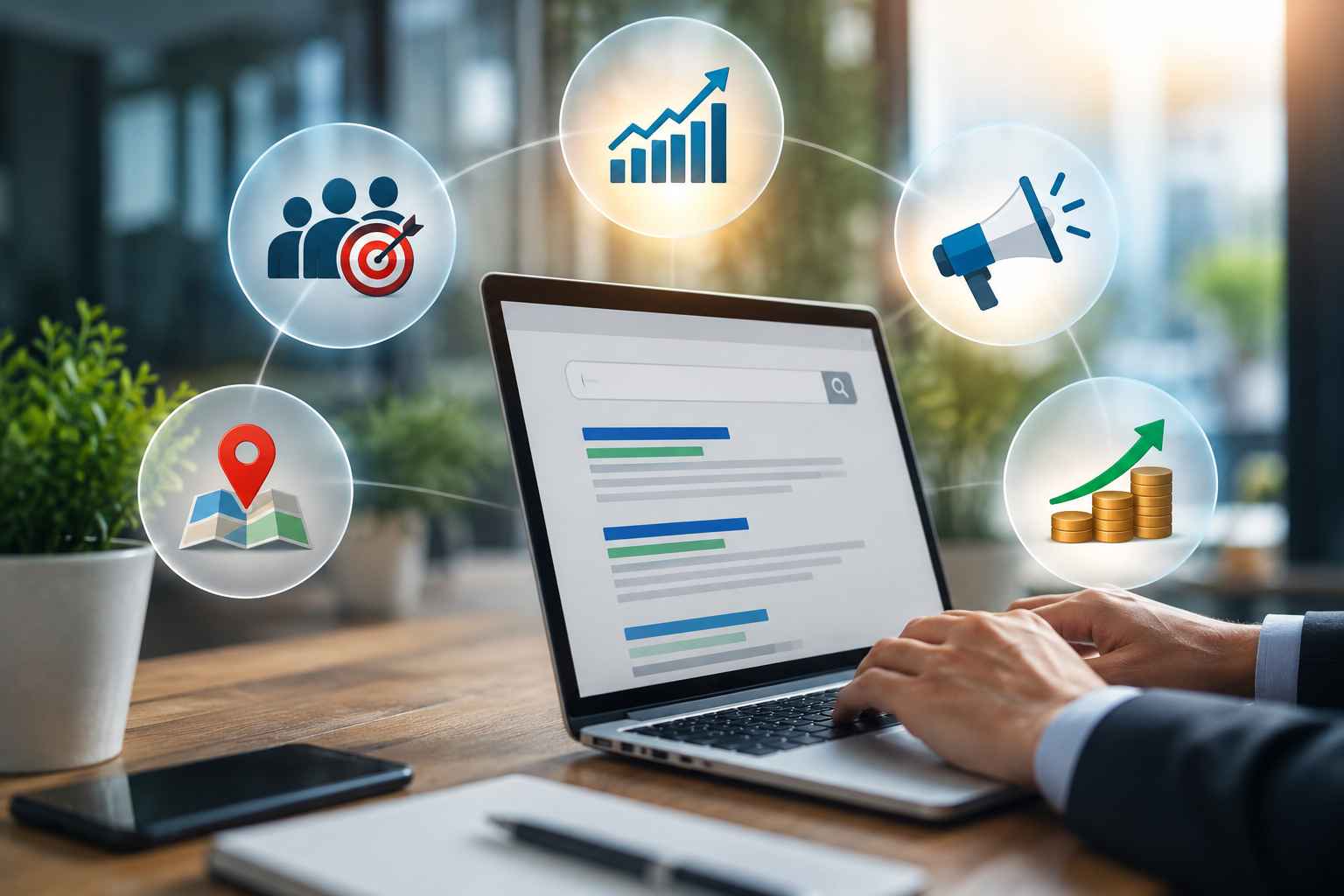
- Top-of-Page Brand Authority: Dominates above-the-fold search real estate alongside Organic Map Pack and AI Overview results.
- Scalable Local & Niche Lead Generation: Targets buyers by exact postal code, service radius, device, and commercial buying intent.
What Is Search Engine Marketing (SEM) in 2026?
While “Search Engine Marketing” once served as an umbrella term for both organic Search Engine Optimization (SEO) and paid search, modern digital marketing treats SEM primarily as paid search advertising (such as Google Ads and Microsoft/Bing Ads)—working alongside SEO and Answer Engine Optimization (AEO) to capture the entire search results page.
3 Core Pillars That Determine Your SEM Success
1. Pay-Per-Click (PPC) Bidding & Search Intent
In a PPC campaign, you bid on specific commercial keywords—such as “emergency roof repair” or “Ottawa corporate lawyer”—and only pay when a prospective customer actually clicks your ad. Your Cost-Per-Click (CPC) and ad placement depend on both your bid strategy and the relevance of your campaign.
2. Google Ads Quality Score (1–10 Scale)
Google does not simply award the top spot to the highest bidder. Instead, Google’s Quality Score diagnostic system rates every keyword on a 1 to 10 scale based on three core factors:
- Expected Click-Through Rate (CTR): How likely searchers are to click your ad.
- Ad Relevance: How closely your ad headline matches the user’s exact search query.
- Landing Page Experience: How fast, mobile-friendly, and helpful your destination page is.
A higher Quality Score lowers your cost per click and earns higher ad positions for less budget—which is why pairing paid ads with strong on-page SEO is critical.
3. High-Converting Ad Copy & Extensions
Your ad copy is the headline, description, and callouts searchers see on Google before they ever reach your website. Strong ad copy highlights clear value propositions (such as transparent pricing, local expertise, or same-day service) and uses Ad Assets (Extensions)—including click-to-call buttons, location pins, structured snippets, and sitelinks—to maximize your Click-Through Rate (CTR).

SEM vs. SEO vs. AEO: How Do They Compare?
| Channel | Where You Show Up | Speed to First Lead | Cost Structure | Long-Term Value |
|---|---|---|---|---|
| SEM (Google Ads / PPC) | Top Sponsored Search & Map Ads | 24–48 Hours | Pay per click (scales with budget) | Stops when ad spend pauses |
| Organic & Local SEO | Google Map Pack (3-Pack) & Top 10 Organic | 3–6 Months | Monthly optimization investment | Compounds traffic & lowers cost-per-lead over time |
| AEO (AI Search Optimization) | ChatGPT, Google AI Overviews, Perplexity | 1–3 Months | Entity, schema & off-site citation building | Captures high-trust AI recommendations |
The 5 Key Benefits of Search Engine Marketing for Your Business
Implementing a structured Google Ads and SEM strategy delivers five measurable advantages for growing businesses:
1. Drives Immediate, High-Intent Traffic
Organic SEO is the highest-ROI long-term asset you can build, but ranking a brand-new service page in a competitive market takes time. SEM bridges that gap immediately. The moment your campaign goes live, your business appears at the top of Google for your highest-margin keywords, allowing you to test which offers and landing pages convert best before investing months into organic content around those terms.
2. Measures Every Dollar of Marketing Performance
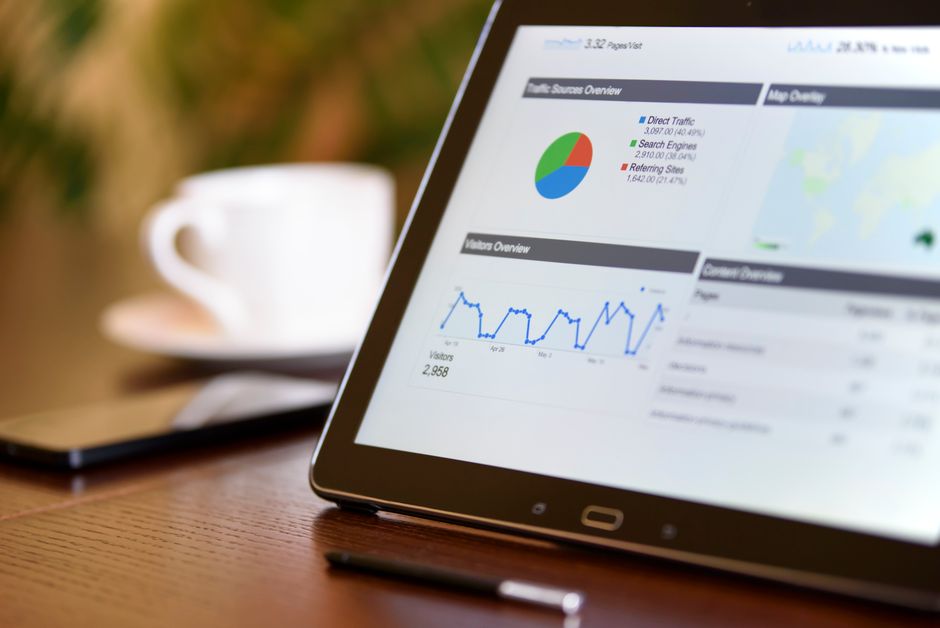
Traditional offline advertising makes it almost impossible to know which flyer, billboard, or radio spot actually produced a paying client. Modern SEM integrates directly with Google Analytics 4 (GA4) and dynamic call tracking so you can measure:
- Cost Per Click (CPC) and Cost Per Acquisition (CPA)
- Phone calls, form submissions, and booked appointments by exact keyword
- Conversion Rate by landing page, city, time of day, and device
- Wasted Ad Spend triggered by irrelevant broad-match or informational searches
3. Recaptures Lost Leads Through Remarketing
Across most industries, the vast majority of first-time website visitors leave without calling or submitting a form—often because they are comparing two or three local providers. Using first-party Google Analytics 4 (GA4) remarketing audiences, YouTube remarketing, and Google Display retargeting, SEM keeps your brand and client testimonials in front of those warm prospects over the next 7 to 30 days until they are ready to book.
4. Builds Instant Top-of-Page Brand Authority
Even when a searcher doesn’t click an ad on their first search, seeing your company in the Sponsored top result, the Google Local Map Pack, and the Organic results creates an immediate halo effect. Prospects naturally trust businesses that dominate multiple sections of the first page over competitors that only appear once.
5. Generates Scalable, Geo-Targeted Leads
Unlike broad social media awareness campaigns, SEM captures bottom-of-funnel demand—people actively looking to hire or buy today. You can restrict your ad spend to specific cities, neighbourhoods, or postal codes, schedule ads only during hours your team answers the phone, and scale budget directly into the exact services that produce your highest profit margins.
Frequently Asked Questions About Search Engine Marketing
What is the difference between SEO and SEM?
SEO (Search Engine Optimization) focuses on earning free, organic rankings in Google Search, Google Maps, and AI Overviews through technical optimization, content, and backlinks. SEM (Search Engine Marketing) uses paid search platforms like Google Ads to place sponsored listings at the top of search results immediately on a pay-per-click basis.
Is SEM worth it for small businesses?
Yes—when campaigns are tightly targeted to high-intent local keywords and paired with negative keyword lists to block wasted clicks. Small businesses often get the highest return by running SEM for immediate lead flow on their most profitable services while building Local SEO and AEO to reduce their long-term cost per lead.
Should my business invest in SEO or Google Ads first?
If you need leads immediately or are launching a new website, start with Google Ads (SEM) alongside foundational SEO. Once your organic rankings and Google Business Profile begin generating consistent daily leads, you can shift budget away from expensive clicks and use PPC strategically for high-margin services and remarketing.
Want to Cut Wasted Ad Spend and Grow Your Search Leads?
Whether you want to stop wasting budget on underperforming Google Ads or build a long-term SEO and AI search strategy that compounds month after month, Profit Parrot Marketing can help. We work on transparent, month-to-month retainers with zero long-term lock-in contracts.
Request Your Free SEO & Google Ads Audit Today or explore our Ottawa PPC & Google Ads Management Services.