What are the steps for setting up a Google Ads account? To set up a Google Ads (formerly Google AdWords) account without wasting budget in 2026: (1) Sign in at ads.google.com and click “Switch to Expert Mode” (or “Create an account without a campaign”), (2) Confirm your business time zone and currency, (3) Set up Google Analytics 4 & call/form conversion tracking, (4) Choose a “Search” campaign & disable Display Network expansion, (5) Set your daily budget & “Presence: People in your targeted locations”, (6) Build tight ad groups with Phrase/Exact match & negative keywords, (7) Write a Responsive Search Ad (RSA) with ad assets, and (8) Add billing details & launch.
Already running Google Ads? Read our guide on how to audit your Google Ads account and cut wasted spend.

Setting up a Google Ads account (still frequently searched as Google AdWords) is one of the fastest ways to put your business at the very top of Google search results and generate immediate phone calls and quote requests.
However, Google’s default onboarding flow is designed to push new advertisers into automated “Smart Campaigns” that often waste 30%–50% of your budget on irrelevant clicks. Whether you are a local business in Ottawa or scaling across Canada and the US, follow these 8 proven steps to set up your Google Ads account like a seasoned PPC specialist.
Default Google Ads Setup vs. High-ROI “Expert Mode” Setup
Before you click “Next” on Google’s setup wizard, review these 5 critical settings that protect your ad budget:
| Account Setting | Google’s Default (Wastes Budget) | Profit Parrot Best Practice (High ROI) |
|---|---|---|
| 1. Account Mode | Smart Mode (Limited keyword control) | Expert Mode (Full search term & bid control) |
| 2. Networks | Search + Display Network Checked | Google Search Only (Uncheck Display Network) |
| 3. Location Options | “Presence or interest” (Shows ads out-of-town) | “Presence: People IN your targeted locations” |
| 4. Keyword Match Types | Broad Match without Negative Keywords | Exact & Phrase Match + Negative Keyword List |
| 5. Landing Page Destination | Generic Homepage URL | Dedicated Service Landing Page With Call Tracking |
Step 1: Visit the Google Ads Homepage & Switch to “Expert Mode”
Go to the Google Ads Homepage and click “Start Now.” Sign in with your business Google account.
Pro Tip: On the very first setup screen, look for the link that says “Switch to Expert Mode” or “Skip campaign creation / Create an account without a campaign.” This unlocks the full Google Ads dashboard so you aren’t locked into a simplified Smart Campaign.
Step 2: Confirm Your Business Information, Time Zone & Currency
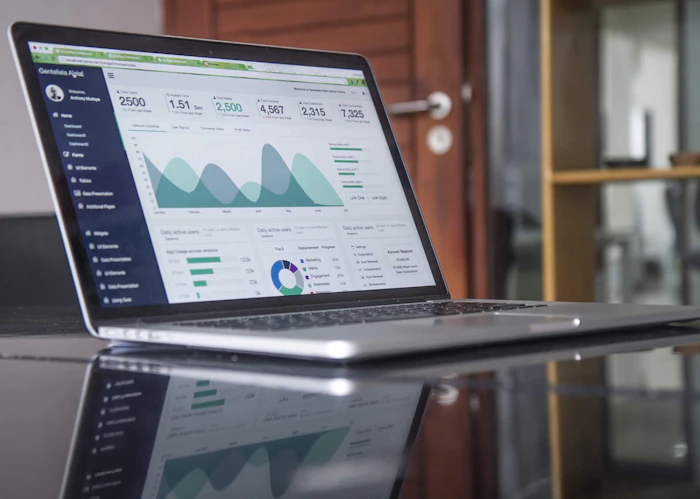
Next, Google will ask you to confirm your core account details. Double-check these carefully because billing country, time zone, and currency cannot be changed after account creation:
- Business Name & Website URL: Enter your official company name and primary domain.
- Billing Country & Time Zone: Select Canada (e.g., Eastern Time for Ottawa/Toronto) or the United States.
- Currency: Select CAD ($) or USD ($).
- Link Google Business Profile & GA4: Connect your Google Business Profile (so your address and star rating show up as Location Assets on your ads) and link Google Analytics 4.
Step 3: Configure Your First Search Campaign Settings
In your dashboard, click “+ New Campaign” and select “Leads” or “Create a campaign without a goal’s guidance,” then choose “Search” as your campaign type:
- Networks (Crucial!): Uncheck “Include Google Display Network.” Mixing Search and Display in the same campaign drains your budget on low-converting banner clicks.
- Location Targeting: Enter your exact city, postal codes, or service radius (for example, Ottawa, Kanata, Nepean, Barrhaven, and Orléans). Click Location Options and select “Presence: People in or regularly in yourincluded locations” so you don’t pay for clicks from outside your service area.
- Daily Budget & Ad Schedule: Set your daily spend (e.g., $25–$75/day) and schedule your ads to run during the hours your team answers the phone.
Step 4: Build Tightly Themed Ad Groups & Keyword Lists
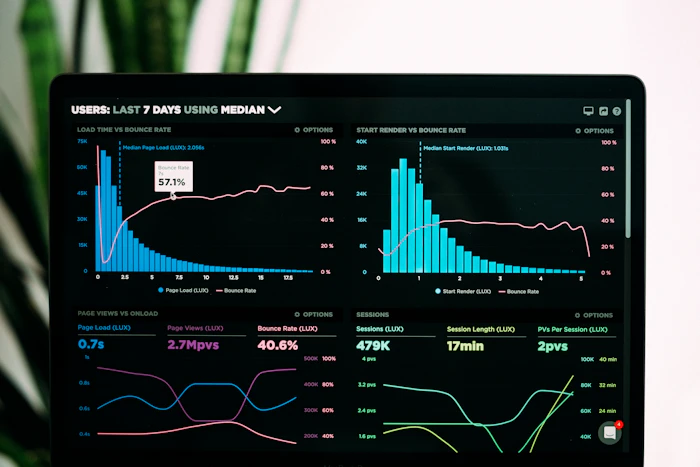
An Ad Group organizes a small cluster of closely related keywords so the ad copy matches the exact service the user searched for.
- Separate Services Into Different Ad Groups: For example, an HVAC contractor should put “furnace repair” in Ad Group 1 and “AC installation” in Ad Group 2—never lump every service into one group.
- Use Phrase & Exact Match Keywords: Use Google Keyword Planner to find high-intent buyer terms like
"ottawa seo company"(Phrase Match) or[emergency plumber ottawa](Exact Match). - Add Negative Keywords Immediately: Exclude budget-wasters like free, jobs, hiring, salary, DIY, reddit, training, course.
Step 5: Craft a High-Converting Responsive Search Ad (RSA)
Now create your Responsive Search Ad. Google allows up to 15 headlines (30 characters each) and 4 descriptions (90 characters each):
- Headlines: Include your exact target keyword + city in Headline 1 (e.g., “Ottawa SEO & PPC Agency”), a trust signal or rating in Headline 2 (“4.9★ Rated · 90+ Reviews”), and a clear offer in Headline 3 (“Get a Free Strategy Audit”).
- Descriptions: Highlight what makes your business different (month-to-month plans, same-day service, 17+ years of experience) and a strong Call to Action.
- Display Path & Final Destination URL: Set a clean display path (e.g.,
yourwebsite.com/Ottawa/Services) and send clicks to a dedicated conversion-focused landing page—not a slow generic homepage. - Ad Assets (Formerly Extensions): Attach Call Assets (click-to-call phone number), Sitelinks, Callouts, and Structured Snippets to double your ad’s visual footprint on mobile.
Step 6: Preview Your Ad & Verify Conversion Tracking
Use the built-in mobile and desktop Ad Preview panel to inspect how your headlines, descriptions, and extensions look together. Verify that your phone call tracking and “Thank You” page form conversion actions are active before spending a dollar.
Step 7 & Step 8: Enter Billing Information & Launch Your Campaign
Navigate to Billing > Settings to enter your business address, tax information, and credit card details, then click “Publish Campaign.” Once your ads pass Google’s policy review (typically within 1 to 24 hours), your business will start appearing at the top of Google Search!
Check your Search Terms Report every 48–72 hours during the first two weeks to see the exact queries triggering your ads and add irrelevant terms to your Negative Keyword list. (Read our full guide on how to get better results from your PPC ad spend.)
Maximize Your Google Ads ROI With Profit Parrot
Want a certified team to build, audit, or manage your campaigns so every click turns into a qualified lead? Our Google Ads & PPC management specialists align paid search with Local SEO on flexible month-to-month terms.
What Our Google Ads & SEO Clients Say (4.9★ on Google)


Frequently Asked Questions About Setting Up a Google Ads Account
1. Is Google AdWords the same thing as Google Ads?
Yes! Google officially rebranded Google AdWords to Google Ads, though millions of business owners still search for “AdWords login” or “setting up a Google AdWords account.” Both refer to Google’s pay-per-click (PPC) advertising platform at ads.google.com.
2. How much should a small business budget for Google Ads?
Most local service businesses start with an ad spend budget between $20 and $50 per day ($600 to $1,500/month) depending on industry cost-per-click (CPC). Because you only pay when someone clicks your ad, you can scale your daily budget up or down at any time.
3. Why should I switch from Smart Mode to Expert Mode in Google Ads?
Google’s default Smart Mode hides the full Search Terms report, prevents you from choosing Exact or Phrase match keywords, and limits bid adjustments. Switching to Expert Mode gives you 100% control over negative keywords, location targeting, and conversion bidding.
4. How do I know if my Google Ads campaign is working?
Track Conversions (phone calls, quote form submissions, and booked appointments) and Cost Per Acquisition (CPA) rather than just clicks or impressions. Connecting Google Analytics 4 and call tracking shows you the exact return on ad spend (ROAS) from every keyword.
5. Can I run Google Ads without a website?
While Call-Only ads and Google Business Profile ads exist, sending traffic to a fast, mobile-responsive landing page dramatically improves your Google Quality Score (which lowers your cost per click) and doubles your conversion rate. Need a high-converting page? Explore our web design & landing page builds starting from $850.
Written by Lark Begin · Reviewed with Jean-Marc Begin
Lark Begin is the Co-Founder and Head of SEO & AEO Strategy at Profit Parrot Marketing, an award-winning SEO and Google Ads agency she founded with Jean-Marc Begin (who leads customer relations and sales). With over 17 years of experience in paid search, technical SEO, and conversion optimization, Lark architects the strategies executed day-to-day by Profit Parrot’s specialized in-house team.