Buying a Website From Flippa: What You Should Know Before You Invest
Acquiring an established website, content brand, or e-commerce store on Flippa lets you skip the 6-to-12-month startup sandbox and buy immediate organic traffic and cash flow. However, purchasing a domain without performing a forensic Search Engine Optimization (SEO) audit can leave you holding a site hit by a Google Core Update or propped up by toxic backlinks.
What Should You Check Before Buying a Website on Flippa in 2026?
Before buying a website on Flippa, always verify four non-negotiable pillars during due diligence:
- Direct Read-Only Google Search Console (GSC) and Google Analytics 4 (GA4) Access: Never rely on screenshots alone. Verify at least 12 to 24 months of organic click trends to ensure traffic did not collapse during a recent Google Core Update.
- Backlink Profile Authenticity: Audit referring domains to confirm rankings are driven by editorial white-hat links rather than rented Private Blog Networks (PBNs) that the seller will remove after escrow closes.
- Content Originality and E-E-A-T: Check whether the site relies on unedited mass AI-generated articles or scraped copy that violates Google Search Spam Policies.
- Realistic Valuation Multiples: Profitable content, lead-generation, and SaaS/e-commerce sites typically sell for 24x to 42x monthly net profit (2 to 3.5 years of net earnings) depending on traffic stability and owner time commitment.
2026 Website Valuation Multiples and Due Diligence Benchmarks
Understanding how online businesses are priced on marketplaces like Flippa prevents you from overpaying for volatile traffic. Below are current industry valuation multiples based on trailing 12-month (TTM) net profit:
| Website Business Model | Typical Monthly Multiple | Primary SEO Risk Factor | Post-Purchase Growth Lever |
|---|---|---|---|
| Content and Affiliate Blogs | 24x – 34x Net Profit | Google Core Update volatility and AI Overview zero-click cannibalization | Adding first-hand E-E-A-T, comparison tables, and higher-commission offers |
| Local Lead Generation Sites | 28x – 38x Net Profit | Fake Google Business Profiles or rented PBN backlinks | Expanding suburb hub pages, call tracking, and contractor lead partnerships |
| E-Commerce and Shopify Stores | 30x – 42x Net Profit | Over-reliance on paid ads with thin category/product page SEO | Collection page SEO, Product schema markup, and email retention flows |
| Micro-SaaS and Web Tools | 36x – 48x Net Profit | Technical debt, slow Core Web Vitals, and high customer churn | Programmatic landing pages, white-hat digital PR, and AEO citations |
7 Essential Steps Before Buying a Website on Flippa
Years ago, inexperienced buyers looked at surface metrics like the now-retired Google PageRank toolbar score. In 2026, evaluating a website acquisition requires verifying raw search engine data, domain history, and technical health. Follow these seven steps before submitting an offer:
1. Set Your Acquisition Budget and Post-Purchase Working Capital
Never spend 100% of your capital on the purchase price alone. Allocate 75% to 80% of your budget to acquiring the domain and reserve 20% to 25% for post-acquisition technical SEO improvements, fresh content upgrades, and authority link building during the first 90 days of ownership.
2. Request Read-Only Google Search Console (GSC) and GA4 Access
Screenshots and PDF exports can be manipulated in seconds. For any serious listing, ask the seller to grant your email Read-Only User access to both Google Search Console (GSC) and Google Analytics 4 (GA4). Inside GSC, inspect:
- 16-Month Performance Graph: Overlay the dates of recent Google Core Updates to confirm impressions and clicks are stable or growing—not in a steep downward spiral.
- Manual Actions and Security Issues Tabs: Confirm there are zero active Google penalties for unnatural links or hacked content.
- Top Queries vs. Top Pages: Make sure traffic is spread across dozens of relevant commercial pages rather than 90% of traffic relying on a single viral blog post that could drop tomorrow.
3. Audit the Backlink Profile for Rented PBNs and Toxic Spam
A common website-flipping trap occurs when a seller points 50 links from their own Private Blog Network (PBN) at a site to inflate its rankings, sells the site on Flippa, and removes those links 30 days after closing. Before buying, inspect the backlink profile using Semrush or Ahrefs—or have our team run a white-hat link audit. Verify that backlinks come from real, topically relevant websites with genuine organic traffic of their own.
4. Check Domain History in the Wayback Machine
Enter the domain into the Internet Archive Wayback Machine to see what lived on the URL 3, 5, or 10 years ago. Confirm the domain was never used as an expired foreign-language casino, adult, or counterfeit goods site before being repurposed by the seller.
5. Evaluate Content Originality, E-E-A-T, and AI Spam Risk
Since Google’s Helpful Content system was baked into the core ranking algorithm, sites built on thousands of unedited, mass-generated AI articles routinely lose 80% to 95% of their traffic overnight. Check a sample of 10 top-ranking pages for original insights, clear author attribution, external authority citations, and structured SEO and AEO content formatting.
6. Inspect Technical Architecture and Core Web Vitals
Run the site’s homepage and top traffic URLs through Google PageSpeed Insights. Check Whether the site passes Largest Contentful Paint (LCP under 2.5s), Interaction to Next Paint (INP under 200ms), and Cumulative Layout Shift (CLS under 0.1). A bloated theme or custom spaghetti code may require a website speed optimization or clean WordPress rebuild after transfer.
7. Use Escrow Protection and a Written Asset Purchase Agreement
Always close transactions through FlippaPay or Escrow.com with a clear inspection period. Ensure your agreement explicitly transfers the domain name, full CMS database and files, original design assets, social media accounts, email lists, vendor/affiliate relationships, and a non-compete clause preventing the seller from launching an identical competing site.
What to Do in the First 90 Days After Buying a Website
The biggest mistake new website owners make is changing the theme, URL structure, and navigation on day one—which triggers ranking drops. Follow this safe 90-day post-acquisition growth plan:
Preserve URLs and Tracking
Migrate hosting without changing permalink structures. Verify all internal links and 301 redirects using our website migration SEO checklist, and swap affiliate or lead-capture forms carefully.
Capture Striking-Distance Wins
Filter Google Search Console for pages ranking in positions 6 to 20. Add direct AEO answer boxes, comparison tables, and FAQPage JSON-LD schema to push them into the top 3 results.
Build Authority and Monetize
Build fresh white-hat editorial backlinks to your highest-converting pages, test higher-converting call-to-action blocks, and launch targeted Google Ads remarketing if applicable.
Trusted by Smart Investors and Growing Businesses Across North America
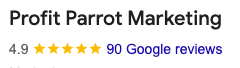
See why 90+ business owners and digital investors rate Profit Parrot 5.0 stars for technical SEO audits and post-acquisition traffic growth:


Frequently Asked Questions About Buying a Website on Flippa
Is buying a website on Flippa still profitable in 2026?
Yes, buying an established website on Flippa remains highly profitable when you perform strict SEO and financial due diligence. Acquiring a site with verified organic search traffic, clean white-hat backlinks, and under-optimized monetization allows you to increase net profit through on-page SEO, Answer Engine Optimization (AEO), and conversion rate optimization (CRO) without waiting 6 to 12 months for a brand-new domain to gain traction.
Why shouldn’t I use Google PageRank to evaluate a website for sale?
Google officially retired public Toolbar PageRank in 2016, meaning any seller advertising a “high PageRank” score is using an obsolete metric or a spoofed screenshot. Instead, evaluate a domain using live Google Search Console (GSC) organic click trends over the past 16 months, Google Analytics 4 (GA4) engagement rates, and third-party backlink authority metrics such as Semrush Authority Score or Ahrefs Domain Rating (DR).
How much should I pay for a website on Flippa?
Most established websites on Flippa sell for 24x to 42x their average monthly net profit (roughly 2 to 3.5 times annual net profit). Content and affiliate blogs typically command 24x to 34x monthly profit, while local lead-generation sites, e-commerce stores with repeat customers, and micro-SaaS platforms command 30x to 48x monthly net profit due to more predictable recurring revenue.
How do I spot fake traffic or toxic backlinks on a Flippa listing?
Always insist on direct Read-Only access to the site’s Google Search Console and GA4 properties rather than accepting screenshots. Fake bot traffic typically shows 95%+ unassigned or direct traffic from unrelated countries with near-zero engagement time, while genuine organic traffic matches keyword impressions and clicks inside Google Search Console. Next, inspect referring domains to ensure rankings are not propped up by rented Private Blog Network (PBN) links.
Can an SEO agency audit a Flippa website before I buy it?
Yes. Ordering an independent pre-purchase SEO audit before placing a bid protects your investment by uncovering hidden Google Core Update drops, toxic backlink profiles, canonical errors, or thin AI content—giving you the leverage to negotiate a lower purchase price or walk away from a risky asset.
Evaluating a Website to Buy—or Ready to Scale One You Just Acquired?
Don’t gamble your acquisition budget on unverified traffic. Let Profit Parrot inspect the domain’s backlink profile, technical SEO health, and growth potential before you close—or build your 90-day post-purchase SEO roadmap.
Written by Lark Begin & Reviewed by Jean-Marc Begin
Lark Begin is Co-Founder and Head of SEO and AEO Strategy at Profit Parrot Marketing, where she architects technical SEO audits, website migration roadmaps, and AI search strategies behind the scenes. Co-Founder Jean-Marc Begin leads customer relations, acquisition consultations, and sales strategy, while day-to-day campaign execution is carried out by Profit Parrot’s specialized in-house team.