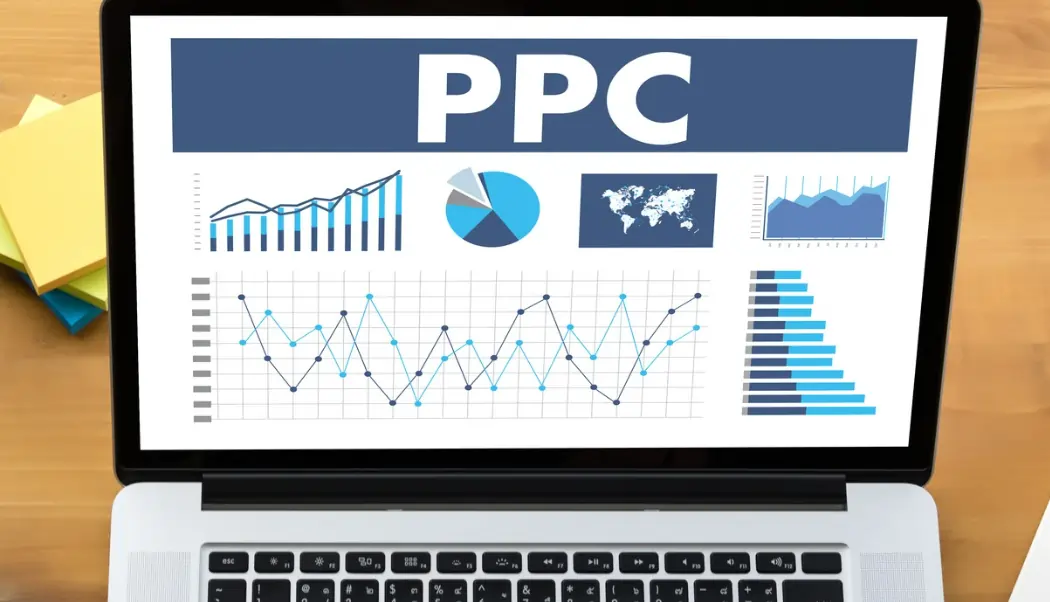
Digital marketing often feels like a tug-of-war between two schools of thought: the patience required for organic search engine optimization (SEO) and the instant gratification of pay-per-click (PPC) advertising. However, savvy business owners understand that these channels are not adversaries; they are teammates. For small and medium-sized businesses (SMBs), the goal is not just traffic, but sustainable growth. By integrating paid media into your long-term organic strategy, you can enjoy the best of both worlds: immediate visibility and enduring authority.
The Immediate Impact of Paid Media
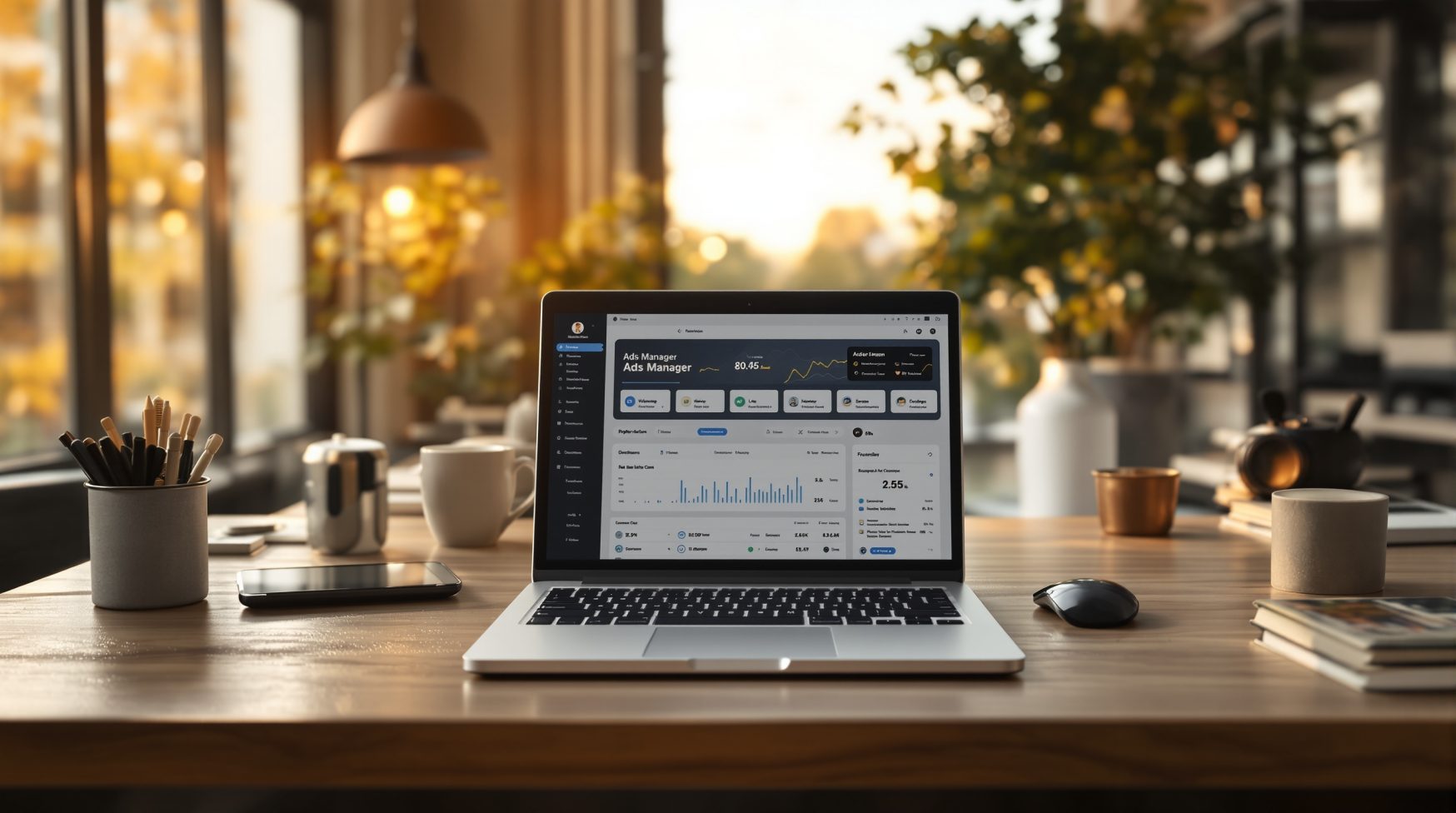
When you launch a new website or product line, waiting six to twelve months for organic rankings to mature can be agonizing. This is where paid media shines. It allows you to place your brand at the top of the search results immediately, bypassing the “sandbox” period often associated with new domains. While waiting for your organic authority to build, partnering with a google ads agency allows you to gather immediate data on high-converting keywords. Instead of guessing which search terms might drive sales, you can buy the traffic, analyze the conversion rates, and then feed that data back into your long-term strategy. This immediate feedback loop is invaluable for refining your broader marketing approach before you have even ranked organically.
The Foundation Must Come First
However, driving paid traffic to a website that is poorly optimized is like pouring water into a leaking bucket. If your user experience (UX) is poor, your site loads slowly, or your technical SEO is lacking, you will pay for clicks that never convert. Before you scale your paid ad budget, it is crucial to ensure your digital foundation is solid. Investing in professional SEO services ensures that your site structure, content hierarchy, and on-page elements are primed to convert the visitors that your ads bring in. A high-quality landing page doesn’t just help with organic rankings; it also improves your Quality Score in Google Ads, directly reducing your cost per click (CPC).
Unlocking the ‘Halo Effect’
The real magic happens when you stop viewing these channels in silos. Recent industry insights highlight the top synergies between Google Ads and SEO, noting that running both simultaneously can significantly increase your overall visibility. When a user sees your brand in both the paid ad section and the organic listings, it reinforces trust and authority—a phenomenon often called the “Halo Effect.” Here is how an integrated approach delivers better ROI:
- Keyword Intelligence: You can use high-performing ad copy to rewrite your organic meta descriptions and page titles for better click-through rates (CTR).
- SERP Domination: Owning both the top ad spot and the top organic spot pushes competitors further down the page, increasing the likelihood of a click.
- Remarketing: You can use display ads to target users who originally found you via organic search but didn’t convert, giving you a second chance to close the sale.
- Budget Efficiency: If you rank #1 organically for a specific term, you might dial back ad spend on that keyword and reallocate the budget to competitive terms where you lack organic visibility.
Conclusion
Ultimately, the most successful digital marketing strategies are holistic. By balancing the immediate impact of paid media with the enduring value of SEO, businesses can smooth out the peaks and troughs of traffic flow. Do not feel compelled to choose between the sprint and the marathon—train for both to ensure your business goes the distance.