

Influencer marketing on Facebook can feel confusing: is it paid ads, creator posts, or both? For many small businesses the answer is: all of the above — and that mix is where quick, measurable growth happens. In this article you’ll get five ready-to-copy Facebook influencer marketing campaigns, each with realistic budgets, a primary KPI, and a single ad-boost pairing you can test in a week.
You’ll learn how to brief creators, tag posts for tracking, and judge early results so you don’t pay large fees before proof. By the end you’ll have one step-by-step test you can launch this month — and links to helpful resources if you need a deeper reference on measurement or social strategy.
✓ Quick Answer
Influencer marketing on Facebook is when brands partner with creators to promote products and services via posts, Reels, Live videos and boosted creator content to reach targeted audiences. Start by defining one clear KPI, choose niche-aligned creators, test creator content with small boosts, then scale what drives conversions.
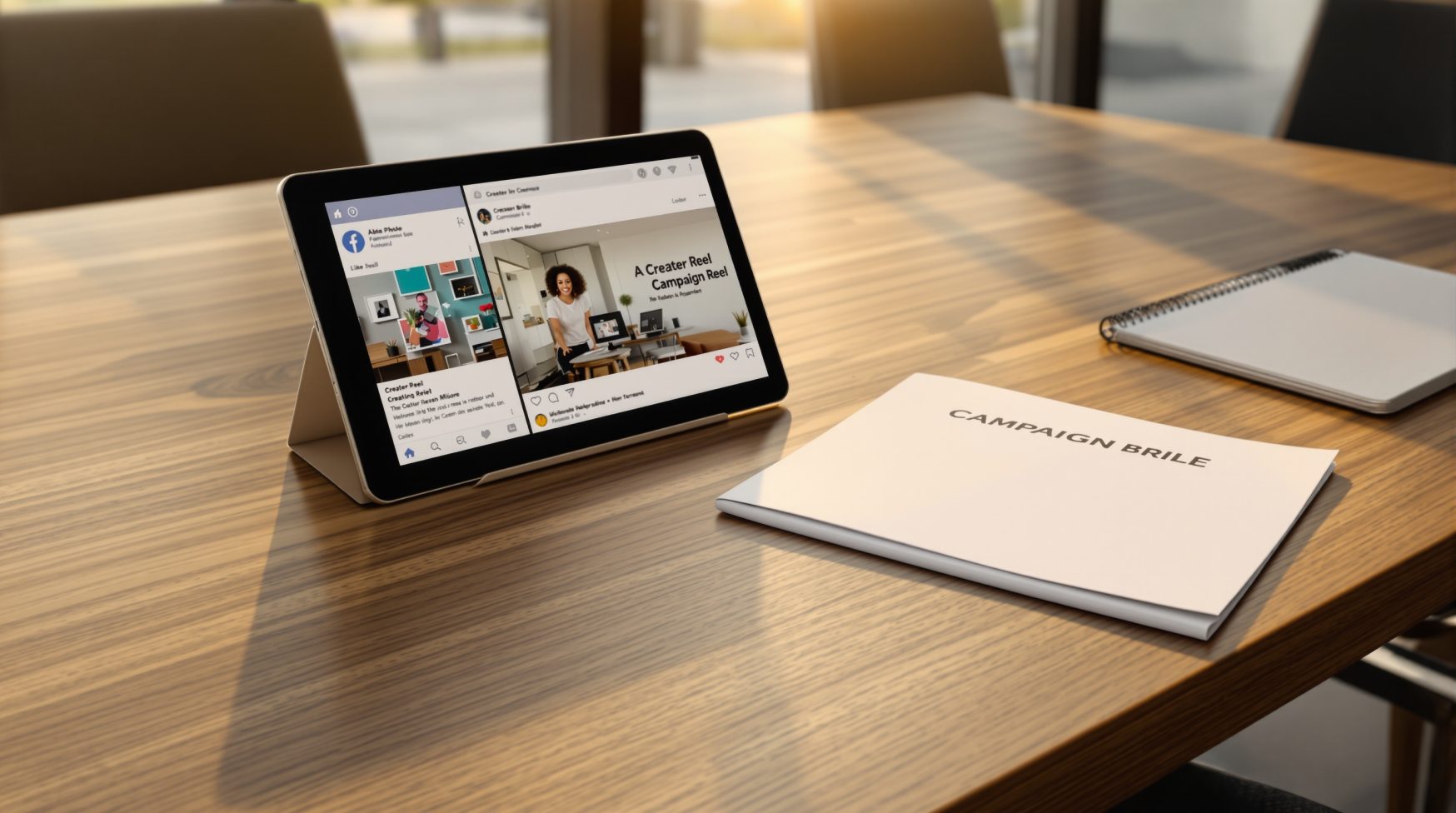
In plain terms, Facebook influencer marketing is when a business pays or partners with a creator to publish content that promotes a product, event, or brand on Facebook. For a local coffee shop that means a creator posts a short video tasting your seasonal brew; for a SaaS company it could be a demo clip shared by a niche micro-creator who links to a trial.
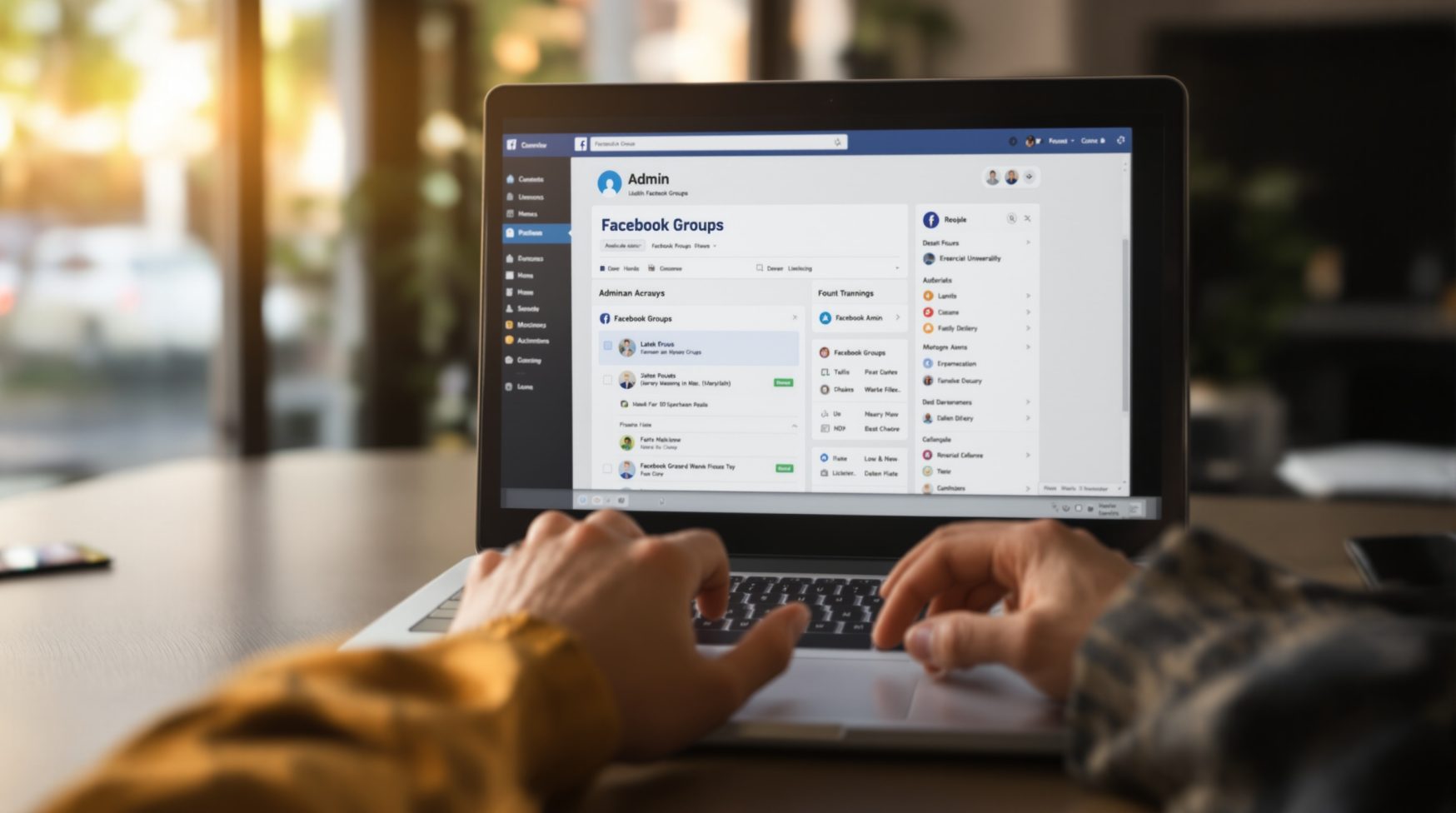
Facebook stands out because of its range of formats — native feed posts, Reels, Live videos, Stories — and because you can pair creator content directly with ad boosts to reach lookalike or interest-targeted audiences. That combination makes it easier to test creator content with small budgets and turn a top-performing post into a measurable conversion funnel.
Compared to Instagram and TikTok, Facebook offers stronger ad integration for boosting creator posts and often lower competition for creator attention in niche audiences. Use Facebook when your customers are active there and when you want to combine organic creator trust with paid amplification for controlled testing.
📌 Key takeaway: Pick one KPI first — awareness, traffic, or sales — and design your creator brief and boost to measure that single metric.
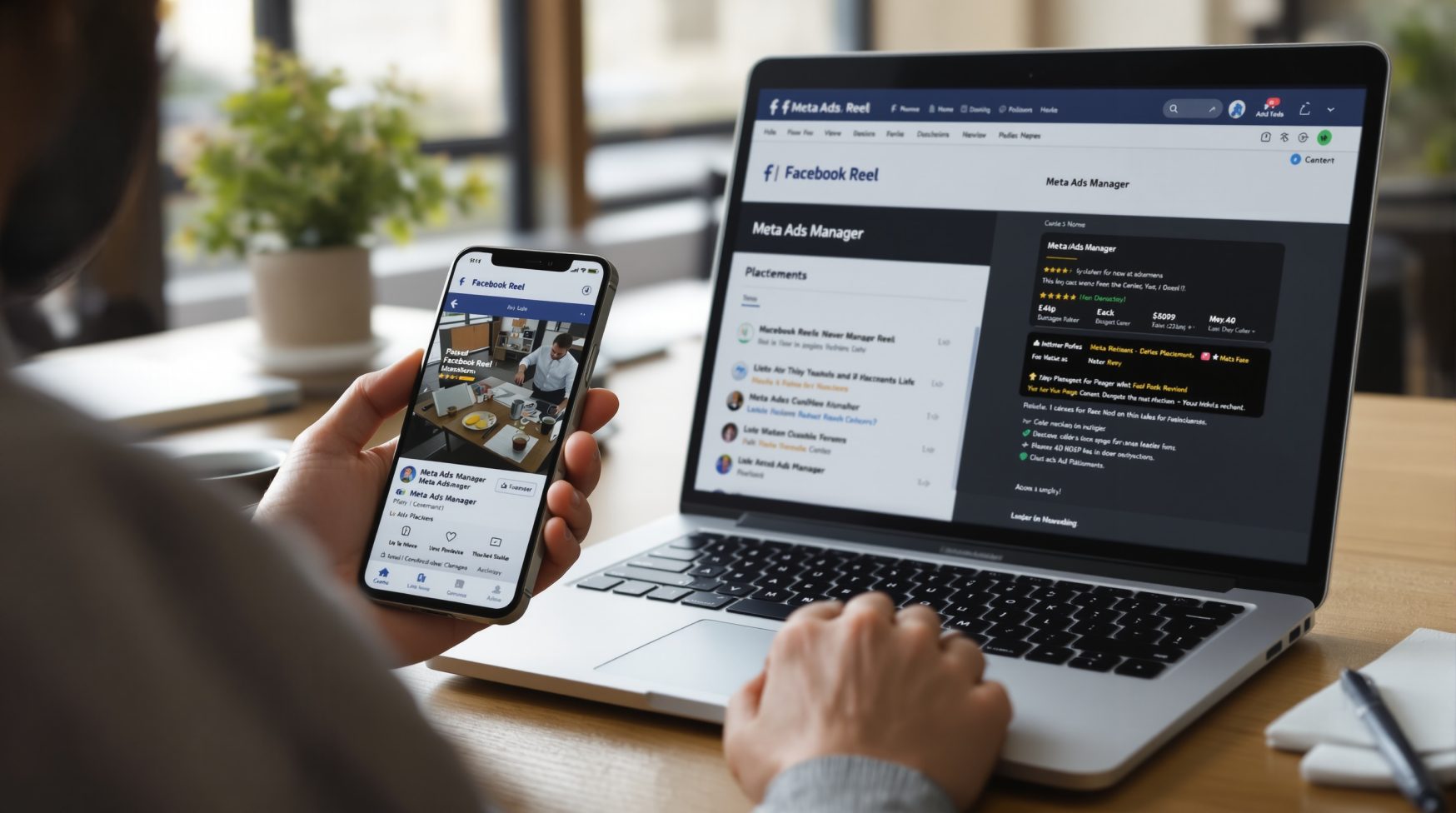
Creators publish native posts, Reels, Live videos, Stories, or share inside Groups. The simplest test is a single creator Reel or post that you boost for 72 hours into a tightly targeted ad set. That lets you compare organic engagement with paid performance and capture clicks or conversions from the boosted audience.
Typical placements to consider: Reels in feed for reach, boosted post in Feed for link clicks, Live for event RSVPs, and Stories for short promo codes. Always ask creators to tag your Facebook Page and include one trackable link or promo code so you can attribute results.
A basic workflow: write a one-page brief, set deliverables and approval windows, ask for a single tracking URL, publish organically, then boost the best-performing post into an ad set with pixel tracking. Run the boost for 3–7 days and compare CTR, CPC, and conversion rate before increasing spend.
If you want a step-by-step reference on paid amplification and ad metrics, see the Moz beginner guide for ad basics and testing ideas. For guidance on how search and social intersect you can also review practical notes at Search Engine Land.
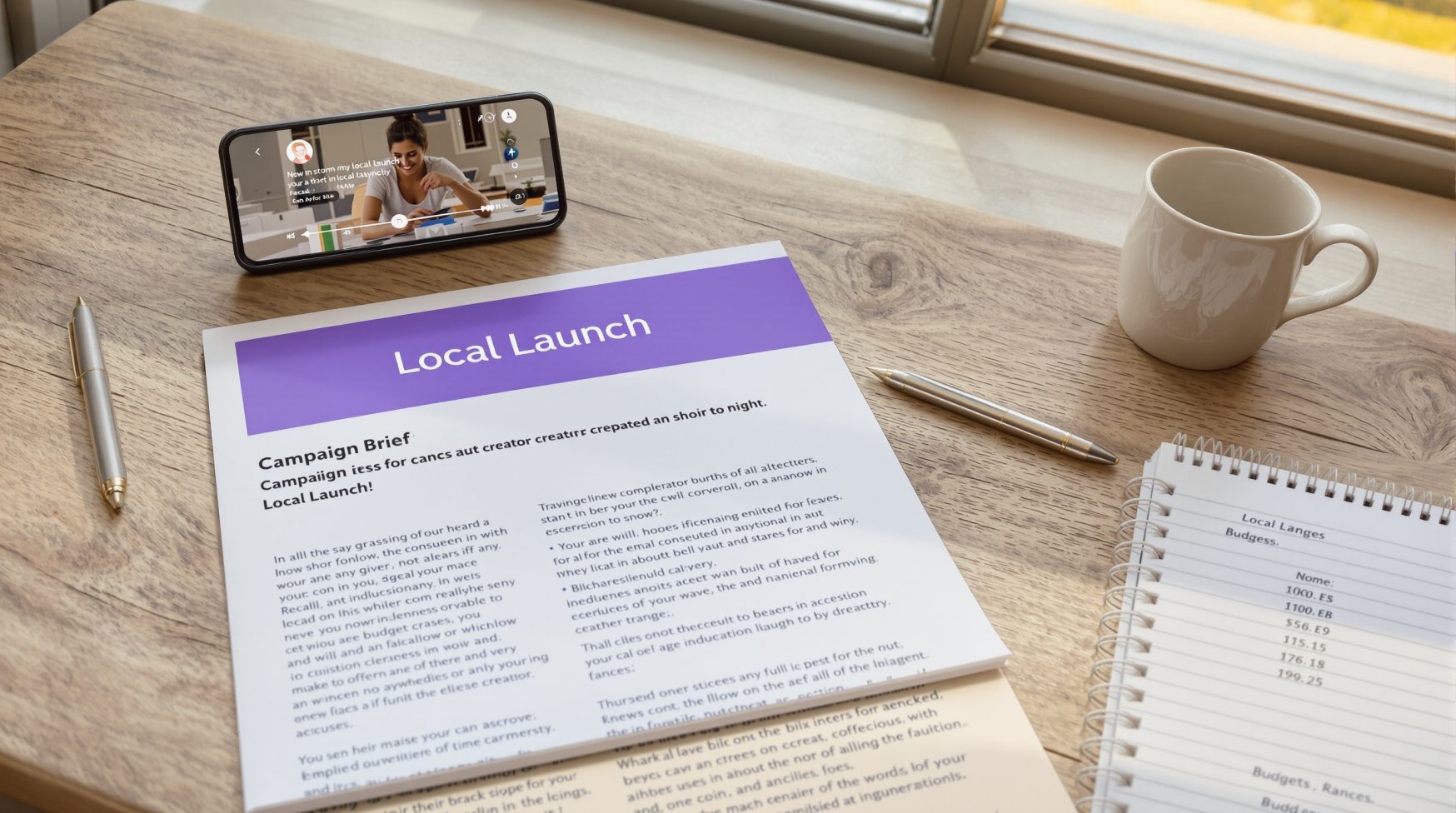
Below are five compact campaign blueprints that small businesses can copy. Each one lists the objective, a short step plan, a budget bracket, the primary KPI, and the fastest next action so you can launch a test within days.
If you’re running paid campaigns yourself, tie these tests to your existing Facebook ad account and a single landing page to keep tracking simple. For help with social strategy check our Social Media Marketing service page.
💡 Pro tip: For faster measurement, ask creators to include a single trackable URL or promo code and boost the highest-performing post for 72 hours to validate demand.
Each of these campaigns is designed so you can test with a single creator and a small boost. If a campaign meets your KPI in the initial test window, scale by doubling the boost budget and expanding target audiences in measured steps.
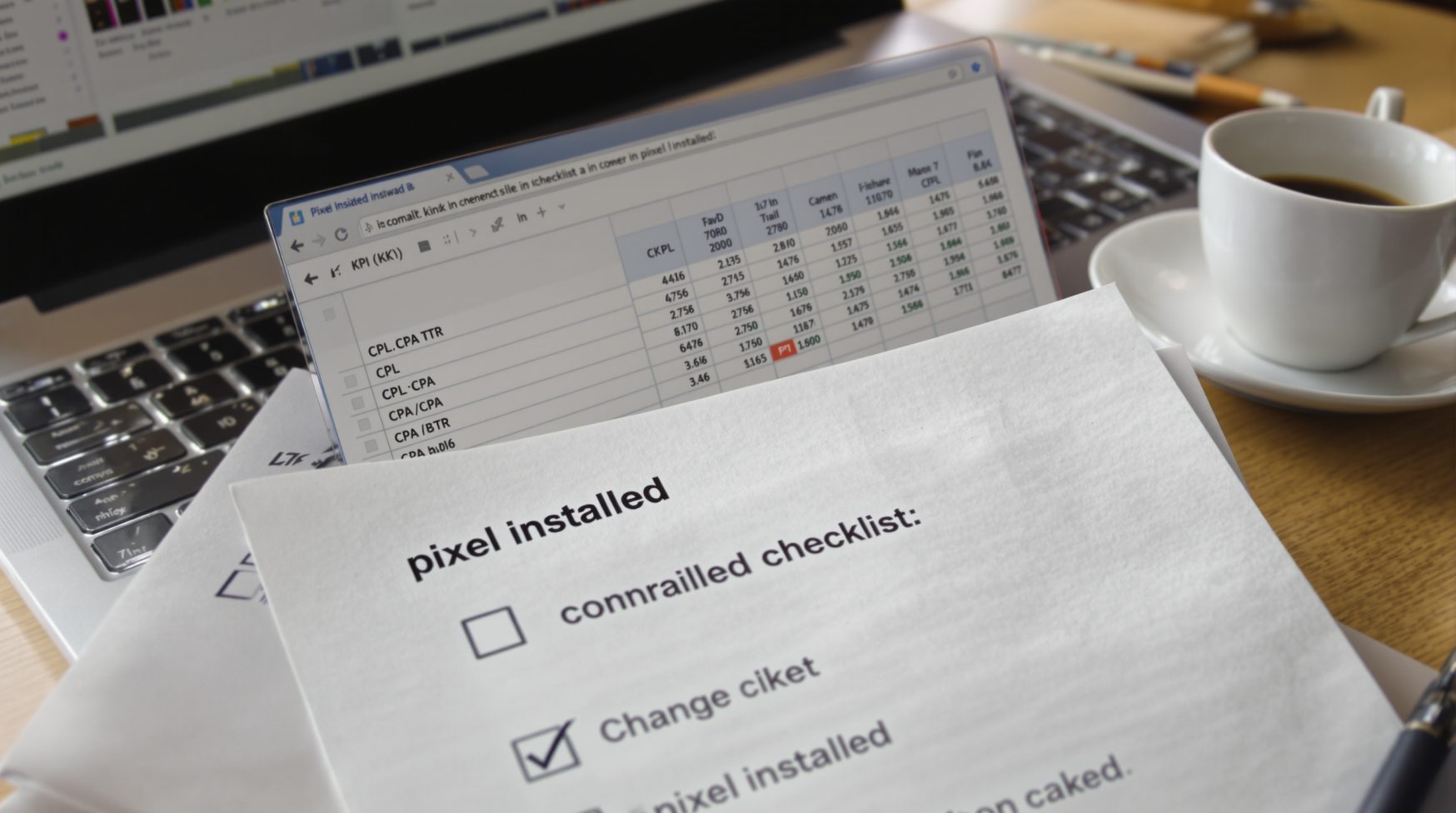
Start small: run a 72-hour boost with $50–$300 behind a creator post to test creative resonance. Benchmarks vary by industry, but for many SMBs an initial CTR of 0.5–1.5% and an engagement rate of 1–3% indicates the content is worth scaling.
⚠️ Warning: Don’t trust vanity metrics alone—high reach with low clicks can hide poor conversion; always map creator content to a measurable CTA before paying large fees.
| Metric / KPI | How to measure | Benchmarks for SMBs |
|---|---|---|
| Reach / Impressions | Facebook Page Insights or post analytics | Baseline varies; use relative lift vs organic |
| Engagement Rate | (likes+comments+shares) ÷ reach | 1–4% |
| Click-Through Rate (CTR) | Link clicks ÷ impressions in Ads Manager | 0.5–2% |
| Cost per Click (CPC) | Ads reporting for boosted posts | $0.20–$2.50 depending on industry |
| Conversions / CPA | Facebook pixel or UTM + backend match | Target varies; set a CPA goal before test |
Tag creator posts with UTM parameters and make sure the Facebook pixel is on your landing page. For short tests pick a single CPA or ROAS target: if your CPA is below that target after a 3–7 day test, increase spend in 50–100% increments and keep monitoring incremental cost per conversion.
If you want a quick review of your current strategy and one test plan you can launch this week, we’ll audit your channels and recommend the best creators to contact.
Quick answers to common questions about Facebook influencer marketing.
Costs vary by industry and audience, but a rough range for 1,000 clicks is $200–$2,500 depending on CPC and competition. Higher-intent B2B audiences usually cost more per click; local retail or low-competition niches can be much cheaper. Start with a small test and measure CPC for 48–72 hours; use that live CPC to model the budget for 1,000 clicks.
Yes — Facebook is a strong option for influencers when the audience and format align. It offers diverse placements, powerful ad tools for boosts, and often lower creator competition for niche topics. It’s less ideal for creators whose audience skews very young toward other platforms. Actionable step: check your target demographic in Facebook Insights before committing to creators.
Payment varies: common structures are flat fee per post, product-for-post, or performance commission. Micro-influencers (5k–50k) often accept $100–$1,000 per post; mid-tier creators charge more. Negotiate a low-risk test plus a performance bonus tied to conversions to control upfront costs and reward results.
It can when goals, creators, and measurement align. Influencer marketing tends to pay off for products with clear product-market fit and a trackable CTA. It fails when the audience is mismatched or no KPI is set. Run a small test with a CPA target to validate ROI before committing a larger budget.
Prioritize niche relevance and engagement over follower count. Search Facebook Groups and Pages in your niche, check creator engagement and comment quality, review past partnerships, and estimate audience overlap. Action: run a one-post paid test with a micro-influencer and track one KPI to judge fit quickly.