


What does affiliate marketing and Facebook look like in practice? In short: it’s promoting third-party products inside posts, reels, groups and Pages so you earn a commission when someone buys through your link. This article shows practical examples you can copy, plus the exact disclosure lines that keep you compliant and trustworthy.
If you run a small business or create content, affiliate marketing via Facebook can add income without building products. Read on to see where affiliate links appear, how to write posts that follow platform rules and FTC guidance, and simple ways to measure realistic results over a few weeks.
✓ Quick Answer
Affiliate marketing on Facebook is promoting third-party products inside posts, reels, groups and Pages to earn commission. Typical examples include short demo reels, link-enabled posts with clear disclosure, product recommendation posts in niche groups, and shoppable creator content — all optimized for engagement, transparency, and tracked links.

Personal posts: short recommendation posts from a creator or small business owner. Example: “I tried X hair serum and it reduced frizz in a week — link in post (I may earn a commission).” These get comments and saves if they read authentic.
💡 Pro tip: Pick one placement (for example Reels or Groups) and master it for 30 days rather than spreading effort across all placements.
Page posts: product round-ups or demo photos posted to a business Page. These perform well when you boost them to a targeted audience. If you offer services, link to a related product and mention how it pairs with your service; see our SEO Services page for examples of pairing content.
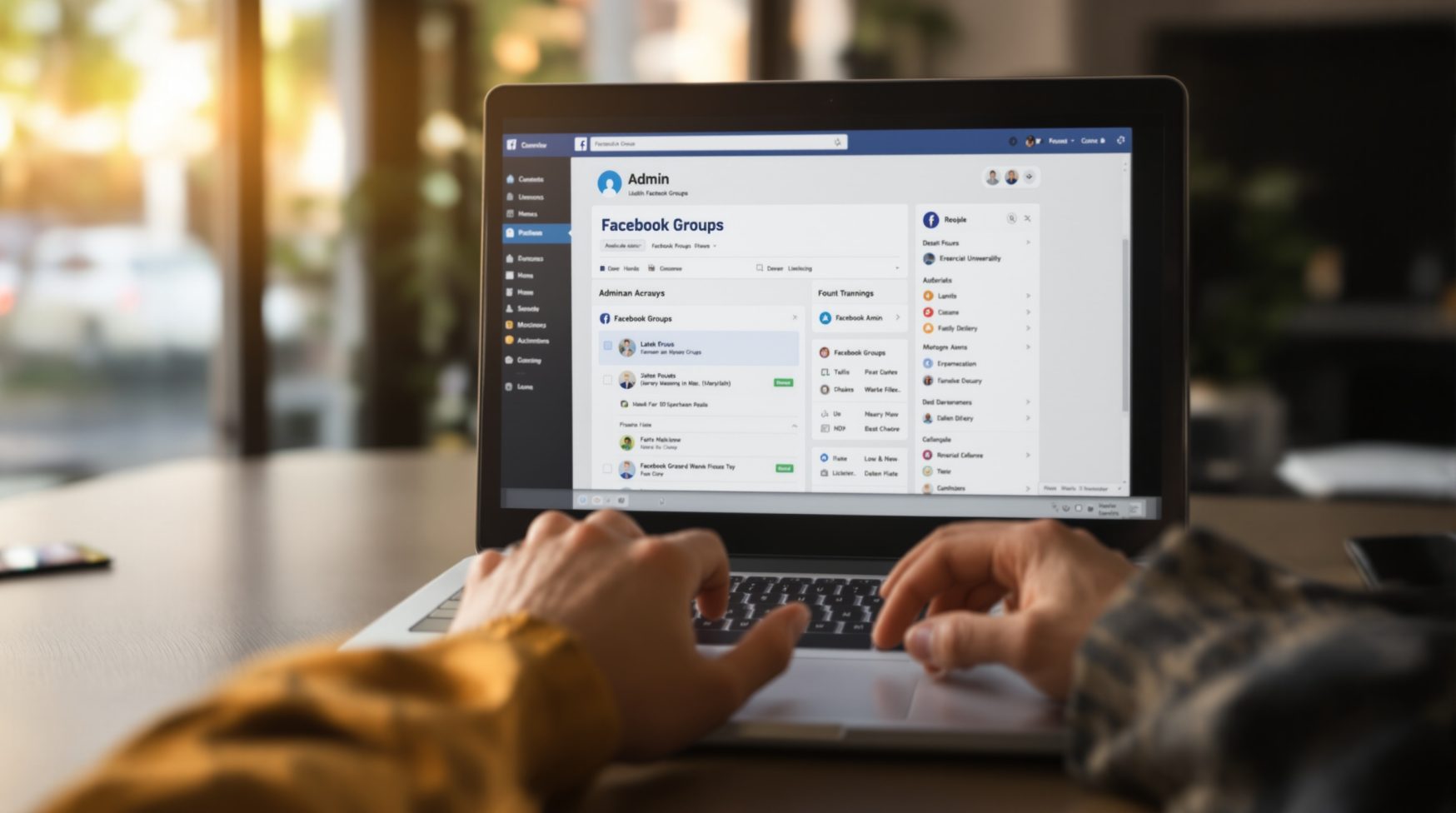
Groups: niche communities are high-trust environments. A short product recommendation inside a group post can drive clicks if you already help members. Example group line: “Tested this budgeting app — link below (I may earn a commission).” Expect more comments and direct messages than clicks.
Reels and short video: demo reels with a short call-to-action and a tracked link in the post or bio. Reels generate saves and shares; pair a short demo with a clear disclosure such as “I may earn a commission.” The Facebook creator tools and shoppable features are increasingly supporting link-driven commerce.
Stories and shop/creator features: short-lived Stories can drive urgency via promo codes, and some creator tools allow product linking that looks more native than plain URLs. If you run paid experiments, boost an engaging reel or Page post to increase affiliate clicks.
Meta offers affiliate program integrations for some creators and partner networks; these let you tag products or use tracked links in a more native way. For creators, that often means better tracking and higher conversion clarity.

Step 1 — choose an affiliate program and get a tracked link or promo code. Pick offers that fit your audience and that you can honestly recommend. If you need policy guidance, check platform rules and Google Search Central for link best practices.
Step 2 — write short, helpful copy that focuses on benefit and experience. Add disclosure at the start or very near the call-to-action. Example disclosure lines are provided below — they match common FTC guidance and keep your post transparent.
⚠️ Warning: Always include a clear disclosure at the start of the post or caption (for example, “I may earn a commission”), to avoid platform or FTC issues.
Step 3 — add the tracked link or promo code. For Reels, include the disclosure in the caption and a short call-to-action in the video. For groups and posts, put disclosure before the link so it’s not missed. Track clicks with UTM parameters when possible.
Post template: “I tested [product] for two weeks and it cut my prep time in half. Honest review + link: [link]. I may earn a commission if you purchase.”
Reel caption: “Quick demo of [product] — helped me do X faster. Caption: I may earn a commission from linked purchases. Link in post.” Pair with a short clip showing the result.
Group announcement: “Heads-up: I found a tool that speeds invoicing. I’m sharing this link because it helped my clients. I may earn a commission if you sign up.” Keep it conversational and allow questions.

Key KPIs: clicks, click-through rate (CTR), conversion rate (CR), and revenue per click (RPC). A simple tracking flow is UTM-tagged link → click tracking in Google Analytics or your affiliate dashboard → conversions reported by the merchant. That gives you a real conversion rate to judge offers.
What to expect: organic post CTRs vary widely, but a targeted niche post might see 1–5% CTR; conversion rates often range 1–10% depending on offer and landing page. Example: 1,000 targeted post views → 20 clicks (2% CTR) → 1 sale at 5% CR with $30 commission = $30 revenue. Small tests clarify whether to scale.
Organic vs paid: organic placements build trust and cost nothing, but paid boosts or targeted ads convert more predictably. If you plan paid tests, budget a small amount (for example $50–$200) to validate which creative and landing page converts before investing more.
Tracking example: add UTM_source=facebook, UTM_medium=post, UTM_campaign=affiliate-jan to your affiliate link. Check clicks in analytics, then match conversions to your affiliate dashboard. If clicks cost less than your expected revenue per click, scale the winner.
📌 Key takeaway: Small tests with clear tracking beat guesswork: test one offer, measure CTR and conversion, then scale winners with a modest ad boost.
Get a quick review of your Page and content strategy and see where small changes can increase affiliate clicks.
Quick answers to common questions about affiliate marketing on Facebook.
Yes — Facebook can work for affiliate marketing, especially in niche groups, creator Reels, and Page posts with engaged followers. It requires audience building and consistent helpful content rather than one-off spammy links. Action: test one placement (for example a Reel or a group post) for 30 days and measure clicks and engagement.
It’s possible but uncommon without scale. Reaching $10,000/month usually needs a large, loyal audience or well-paid recurring offers plus paid traffic. Start with niche content, track conversions for 3–6 months, and diversify offers. Action: pick high-fit programs and track revenue per click so you know what to scale.
Join affiliate programs, choose placements (posts, reels, groups), disclose the relationship, and track links. Practical steps: pick relevant products, write authentic copy with disclosure, and measure clicks/conversions. Action: publish one honest recommendation this week and add UTM tags to the link.
Yes, $100/day is achievable but depends on traffic, conversion rate, and commissions. A focused audience and testing high-converting offers or modest paid boosts can get you there. Action: track daily revenue and reinvest a small portion to scale winners.
Create a niche-focused Page, write a clear About section, and use content pillars like reviews, tips, and demos. Pin a disclosure post and add a CTA link to useful resources. Action: publish three post types (post, reel, group link) in two weeks to test what resonates.