


Are you tired of pouring budget into Facebook ads that barely move the needle? Picking the right facebook marketing agency can make the difference between months of wasted spend and a steady, profitable channel. You don’t need a glossy pitch—what you need is a short hiring checklist, exact interview questions, and a trial plan that proves capability.
This guide walks you through a step-by-step process to evaluate a facebook ads agency: define clear goals and KPIs, verify credentials, test processes and creative, demand transparent reporting, and run a low-risk 30–60 day trial. By the end you’ll have a 10-point scorecard and call-ready questions to compare agencies side-by-side.
✓ Quick Answer
A Facebook marketing agency manages your paid and organic presence on Facebook and Instagram. To pick one, first define clear goals and budget, verify Meta Business Partner status and case results, review reporting samples and KPIs, run a short paid trial, and formalize expectations in the contract.

Start by translating your top-line business goal into two or three measurable KPIs. For an e-commerce store that needs revenue, pair ROAS and average order value. For lead generation, use cost per lead (CPL) and qualified lead volume. And for local services, track cost per booked appointment and lead-to-booking conversion rate.
Budget guidance: set a 30–60 day test budget that is meaningful but not all-in. For most SMBs that means $1,000–$5,000 to validate audiences and creatives; scale only when early KPIs align with your targets. Your chosen facebook marketing agency should help translate these numbers into daily spend and expected sample sizes.
💡 Pro tip: If unsure of target CPA or ROAS, run a 30-day discovery with a fixed test budget and use early CPA trends to set realistic targets.
Mini-checklist to prepare before outreach:
Not every agency is right for every business. Ask for concrete proof: are they a Meta Business Partner? Do they have certifications or case studies in your vertical? Request 2–3 anonymized campaign summaries with KPIs that match your goals and a short overview of team roles who will manage your account.
Suggested verification steps: confirm partner status, check case dates for recency, and ask for references from similar-sized clients. If local market knowledge matters, make sure they have regional examples. And don’t skip checking who will do the day-to-day work versus strategic oversight.
⚠️ Warning: Be wary if an agency refuses to provide anonymized campaign summaries or avoids sharing the specific vertical experience you requested.
💡 Pro tip: Ask for contactable references and call one—ask about communication, reporting clarity, and how work was handed off when priorities changed.
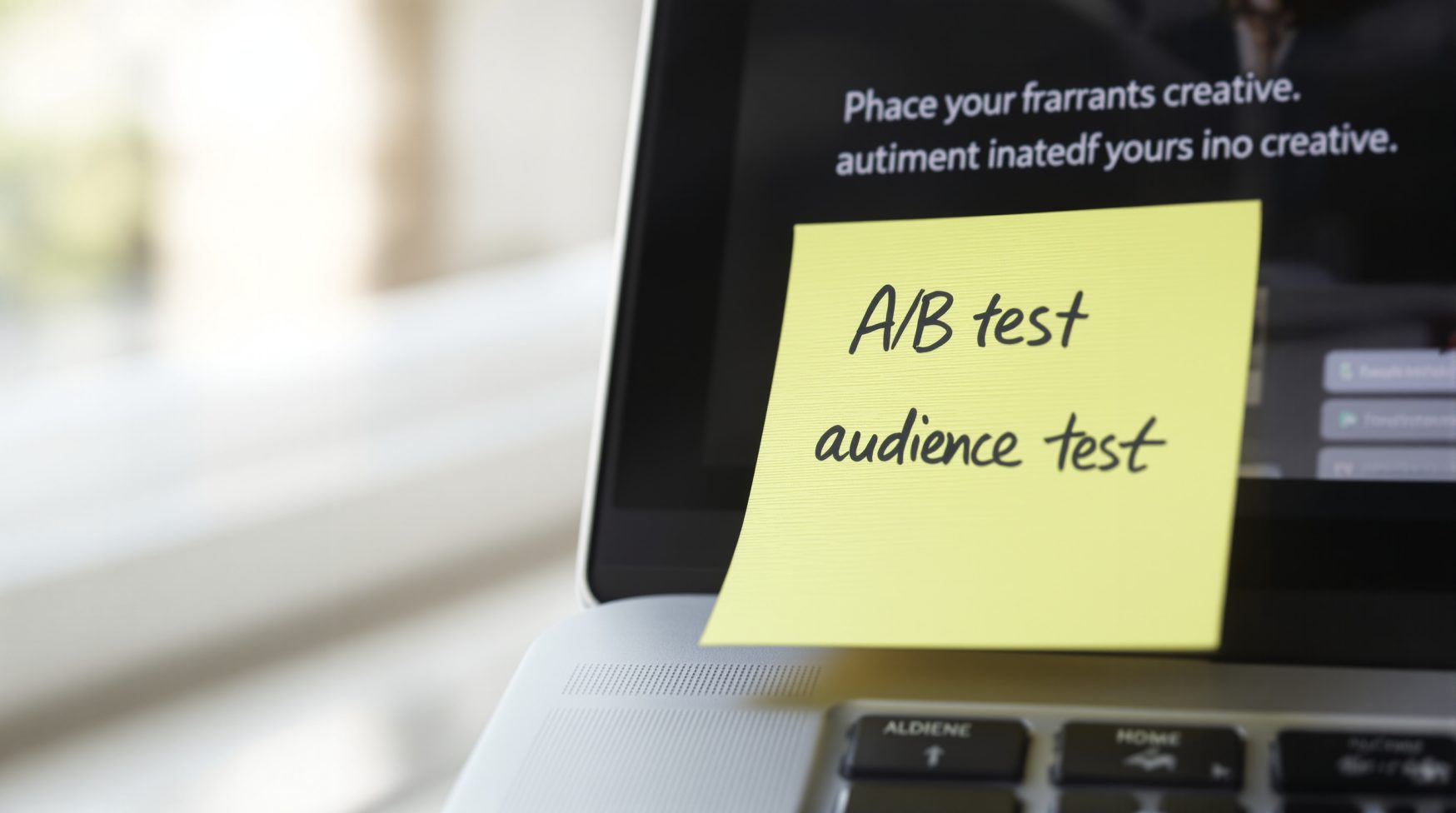
Ask precise process questions on the discovery call. A good agency will have a documented testing cadence for creatives and audiences, clear audience segmentation practices, and a bidding strategy tied to your KPIs. Expect tools like ad management platforms, UTM conventions, and a dashboard for weekly performance snapshots.
⚠️ Warning: Red flag: no A/B testing plan, vague attribution methods, or promises of instant results without data-backed strategy.
Good answer example: “We run a 3-week creative test with 6 variations, measure results over a 14-day attribution window, and push winners into a scale plan while preserving frequency controls.” Bad answer example: “We launch and optimize daily without a formal test plan.” The contrast reveals process maturity.
If the agency mentions dashboards, ask to see a sample report. For help with creative and channel coordination, compare their answers to what you’ve read on Social Media Marketing best practices and confirm they can reference practical examples.
Demand a clear reporting checklist: impressions, CTR, CPC, CPA, ROAS, and an LTV estimate when relevant. Reporting cadence should be weekly snapshots and a monthly strategic review. You should have view access to ad accounts and raw data — data ownership must be explicit in the contract.
Common pricing models: percentage of ad spend (easy to align but can penalize low budgets), flat monthly fee (predictable), or hybrid performance fee. For SMBs, a flat fee plus a modest performance bonus often balances incentives without hidden markups.
💡 Pro tip: Ask for a sample calendar showing testing cadence and reporting windows — consistent cadences reduce surprise invoice disputes.
If you want a quick authority check on tracking and site health, review guidance from Google Search Central or industry write-ups like Search Engine Land articles on attribution. These resources help you ask smarter questions about cross-channel measurement.

Run a 30–60 day paid trial with clear, measurable milestones tied to the KPIs you defined. Structure the trial with a fixed test budget, defined audiences, and an agreed reporting cadence. Evaluate performance objectively at the trial end and decide whether to scale, iterate, or end the relationship.
Onboarding checklist highlights: get admin access to ad accounts and pixels, verify conversion tracking, deliver creative assets, and set the first KPI review date. Contract terms should include reporting frequency, data access, exit terms, and a performance review clause for the trial period.
| Checklist Item | Why it Matters | Who is Responsible |
|---|---|---|
| Account access & pixels | Ensures accurate attribution and control over campaigns | Client |
| Conversion tracking verification | Prevents flawed KPI measurement and wasted spend | Agency |
| Creative assets delivery | Keeps tests moving and avoids launch delays | Shared |
| Initial report / KPI review schedule | Creates a decision point to continue or stop | Shared |
📌 Key takeaway: Start with a short, measurable trial and clear success criteria to reduce risk before signing long-term contracts.
If you want a second opinion on briefs or need a ready shortlist, our team can run a short audit and help set trial parameters.
Quick answers to common questions about hiring a facebook marketing agency.
Start by defining what you want from an agency, then read reviews that mention those outcomes. Look for recent praise about reporting clarity and measurable KPIs, and beware repeated complaints about communication or missed targets. Actionable tip: prioritize agencies whose reviews match your industry and KPI goals, and ask references about the exact results claimed.
Interview with a checklist of questions focused on past performance, attribution, reporting cadence, and trial structure. Hire on measurable milestones set in the trial contract, not promises alone. Use a 30–60 day paid trial to validate capability before making a longer commitment.
Local agencies can help with in-person strategy and regional insights. They’re helpful when offline integrations or face-to-face collaboration matter. But remote-first agencies can be equally effective for campaign execution; compare one local and one remote agency on the same brief to see who delivers the clearer plan.
There is no single best agency; the best fit depends on your goals, budget, and industry. Rank candidates with a 10-point scorecard focused on ROI, vertical experience, reporting clarity, and trial outcomes. Choose the agency that scores highest on the priorities you care about.
A Facebook (Meta) agency partner is a firm recognized by Meta for ad expertise. Partner status can provide access to beta features and direct support, which helps with troubleshooting and scaling. Ask for evidence of partner-level experience that’s directly relevant to your campaign type.