

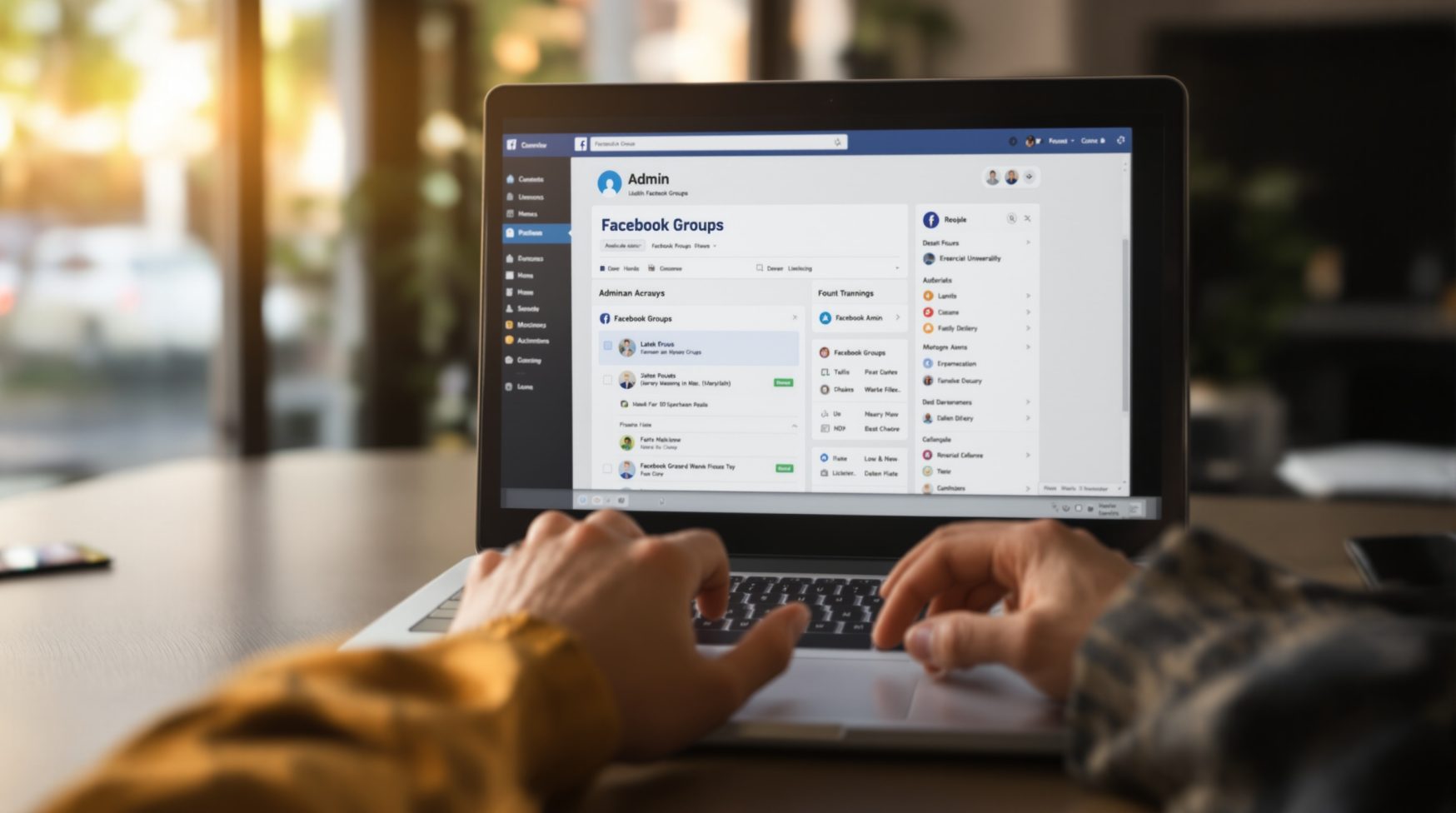
Are you pouring time into Facebook groups but not seeing those conversations turn into customers? It’s a common problem: groups can deliver reach and engagement, but without a clear path to conversion you end up with lots of likes and very few booked calls. In this guide you’ll get a practical, seven-step system that turns “facebook groups for marketing” activity into measurable micro-conversions.
You’ll learn how to pick the right groups, craft welcome posts and value-first content, move comments into respectful DMs, run short promotions, and track simple KPIs that prove ROI. Each step includes ready-to-use post formulas, timing guidance, and scripts you can adapt this afternoon.
✓ Quick Answer
nnnFacebook groups for marketing are communities businesses use to attract customers by sharing helpful content, sparking conversations, and converting engaged members through value-first posts and strategic follow-up. Use targeted welcome posts, weekly value threads, DM nurture sequences, and simple conversion metrics to turn members into paying customers.
nn
Not all groups are equal. When you search for “Digital marketing groups on Facebook” or niche variants, prioritize where your buyer persona actually hangs out, not the biggest club. Look for recent posts, consistent comments, and active moderators who enforce rules. High activity beats follower count every time.
nnnHow to evaluate quickly: glance at 10 recent posts, count how many get 5+ comments, and note whether admins respond. If a group has regular welcome threads and pinned resources, that’s usually a stronger sign of healthy moderation.
nnnnnnYour profile is the first impression. For marketing on facebook groups, show who you are and what value you bring. Use a clear business photo or logo, a one-line tagline, and a link to a single scheduling page so interested members can take the next step without friction.
nnnWelcome posts build trust quickly. Use a pinned welcome that states what you share, who benefits, and one free resource. Keep it short so people actually read it.
nnn💡 Pro tip: Put a short business tagline and a single scheduling link in your profile. Keep the CTA consistent across posts so members recognize where to book.
nn
Post less, post better. For marketing in facebook groups, focus on three formats: teaching, conversation, and social proof. Use short, repeatable templates so you can post reliably without burning time.
nnnTiming: aim for 2 value posts per week and one light conversation prompt. Post when the group is most active — evening for local services, midday for solopreneurs — and test small shifts to find the sweet spot.
nnnnnnThe fastest path from a post to a lead is a natural comment-to-DM funnel. Start by replying publicly, then invite a private message for details. Keep messages short and permission-based.
nnn⚠️ Warning: Avoid mass unsolicited DMs—this damages trust and can trigger platform flags. Wait for an explicit interaction (comment, reaction, or opt-in) before messaging.
nnPromotions work when they’re helpful and time-limited. Design micro-offers like a 15-minute consult, a quick audit, or a short discount that delivers a real next step. Ask admins for permission and follow group rules before posting any offer.
nnn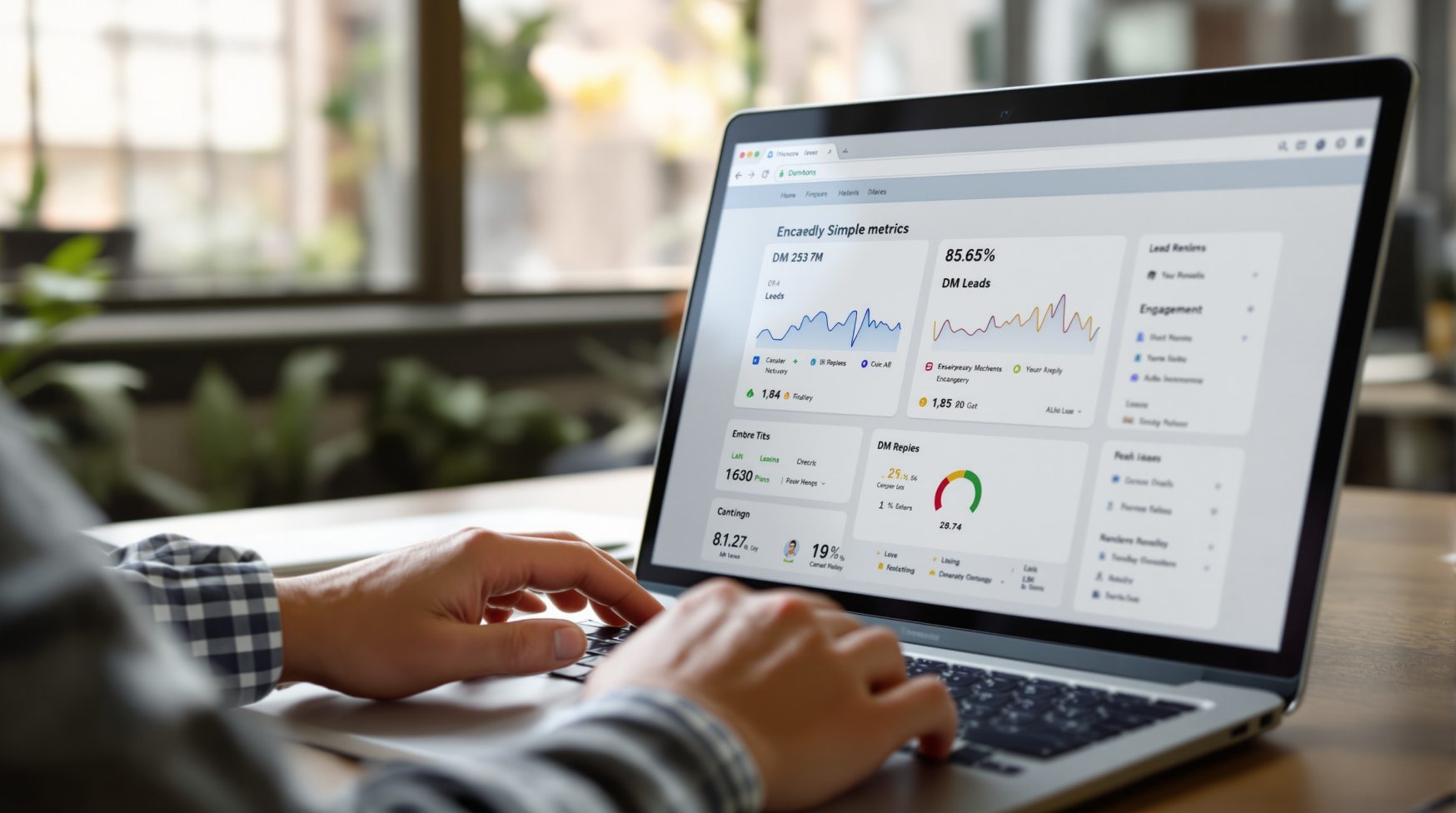
You don’t need fancy tools to prove value. Track four micro-conversion KPIs weekly and you’ll know which groups deliver leads. Log outcomes in a simple spreadsheet or CRM tag so you can compare cost per lead over time.
nnn| Metric | Why it matters | How to track |
|---|---|---|
| Members reached (post reach) | Shows raw visibility for your content | Manual weekly count or screenshot; log weekly |
| Engagement rate (comments/reactions per reach) | Predicts which posts spark conversation | Calculate comments+reactions ÷ reach weekly |
| DM replies (manual count per week) | Direct interest that can turn into leads | Count DMs that start from group interactions; log weekly |
| Leads (bookings/consult requests) | The ultimate conversion to measure ROI | Record in spreadsheet or CRM; track source = group |
Scaling too fast is the fastest way to annoy admins and members. Move slowly and only increase activity when your metrics show consistent uplift. Use ambassadors and co-hosted value events to expand reach without sacrificing quality.
nnn📌 Key takeaway: Double posting only after you see consistent weekly uplift in DM replies and leads across at least 4 weeks.
nnWe audit your group activity and suggest quick changes that drive more DM replies and bookings. Small tests, clear metrics, real results.
nnnnnQuick answers to common questions about using Facebook groups for marketing and conversion.
nnnCosts vary, but a typical CPC can be around $0.69 per click and CPMs around $12.58 depending on audience and objective. Your actual cost will depend on targeting, competition, and ad quality. Start with a $5–10/day test for 7 days to measure your own CPC and refine targeting before scaling.
nnnThe 24+1 Messenger rule means businesses can send unlimited messages within 24 hours of a user’s interaction, plus one additional message after that window. An interaction can be a comment that you reply to, a reaction, or an opt-in. Always ask permission before sending promotional follow-ups beyond that single message.
nnnA main downside is limited organic visibility: Facebook favors highly engaged posts so many members may not see your content. Other issues include spam, uneven moderation, and the time required to build trust. Mitigate these by using high-engagement post formats and building relationships with group admins.
nnnFacebook is best for community-building and visual posts; images often drive the most engagement. For small businesses, pair image-led value posts inside groups with simple DM follow-up to convert engagement into bookings. Try pairing group activity with a short free consult to test your conversion path.
nnnn