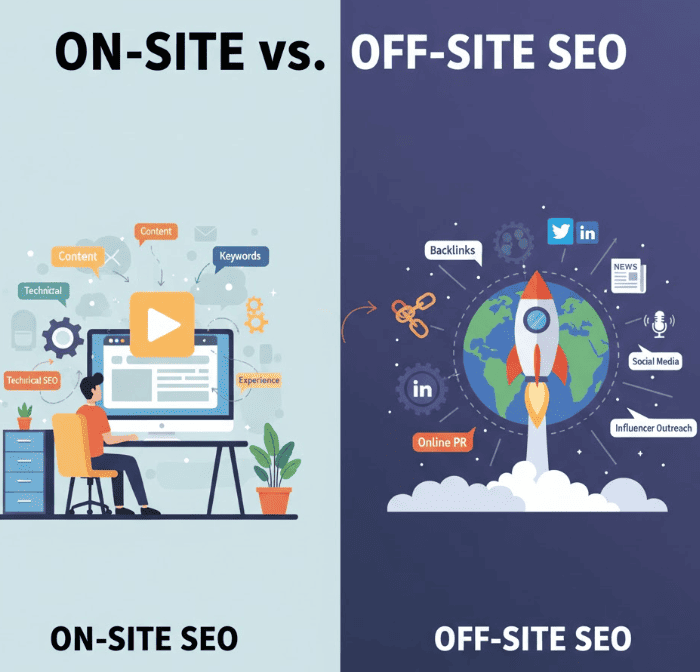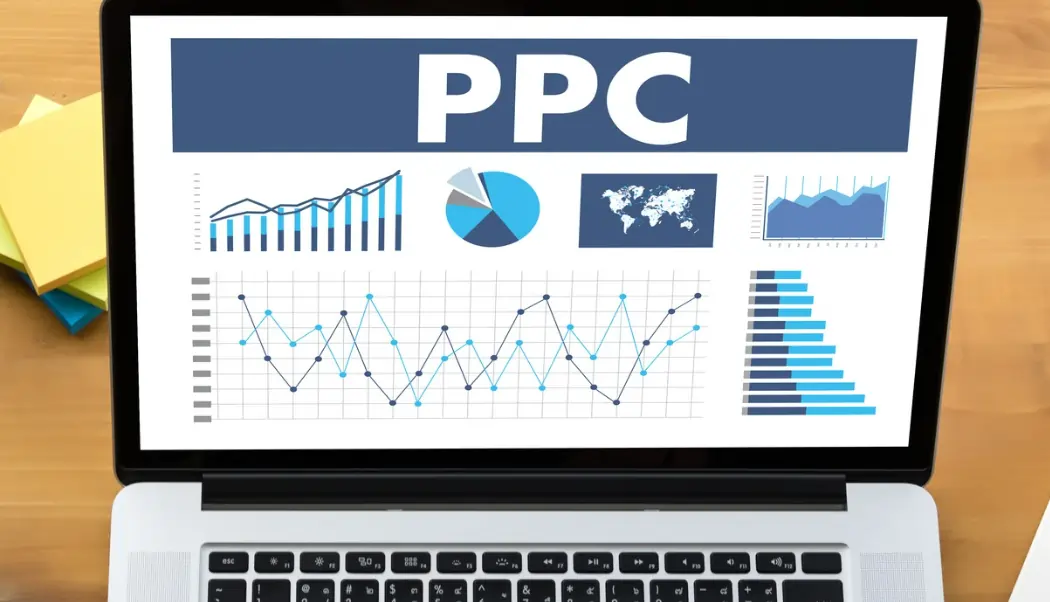



SEO and PPC marketing combine organic search and paid ads so small businesses win both short‑term conversions and long‑term traffic. Use PPC to test keywords and landing pages, then scale winning content for SEO to reduce acquisition cost over time while maintaining visibility across the funnel.
Running a small business means you need quick leads and sustained traffic. This guide gives you a practical, 90-day plan, sample budgets, and reusable assets to implement seo ppc marketing step by step. Ready to get organized? Start here.
Visibility stacking and keyword testing make a measurable business case for combining SEO and PPC. PPC gets you visible fast; SEO builds authority and reduces long-term cost per acquisition.
Visibility stacking means showing up in both paid and organic listings for the same search. That presence increases trust and often lifts the CTR on both results. For transactional queries, this can increase combined click-through rates by 10–30% depending on the industry.
Imagine a local roofing company bidding on “emergency roof repair.” A paid ad above an organically optimized service page creates a dominant result that improves perceived credibility and capture rate.
PPC reveals high-commercial-intent search queries and provides quick signals on conversion rate, cost-per-conversion, and ad copy that works. Use those insights to prioritize organic efforts: target the keywords that actually convert.
You can also build remarketing audiences from organic visitors and re-engage them with targeted PPC. That tight feedback loop improves lead quality and shortens the path to purchase.
| Metric | SEO | PPC | Best for |
|---|---|---|---|
| Speed | Slow (months) | Fast (days) | Immediate offers |
| Cost model | Ongoing content & links | Per-click spend | Budget-controlled tests |
| Lead quality | High when content matches intent | Variable by targeting | Complex buying cycles |
| Scalability | High over time | Immediate but costly | Short campaigns vs growth |
| Measurement | Assisted & long-tail | Direct conversions | Testing vs brand building |
| Timeline | 3–12 months | Immediate–90 days | Mix for best ROI |
Mini-case: A local clinic ran a two-week PPC test for a new telehealth package, found a headline that converted at 8% and a $45 cost per lead, then updated their service page with the same headline and CTA. Organic clicks rose 35% in three months and cost per lead dropped 22%.

Start with structured PPC tests and capture the right metrics. Track UTMs, conversion actions, and ad-level performance so you can export the insights into SEO content briefs.
Use a clear UTM structure and ensure conversion tracking is accurate. Record CTR, conversion rate, and cost per conversion at the ad and keyword level. These numbers tell you which keywords are worth moving into organic content.
Extract headline angles, benefits, and CTAs from top ads. Build an SEO brief that includes the winning H1, meta description, suggested headings, and sample on-page CTAs. Prioritize pages with the best conversion signals first.
Follow the checklist to ensure your PPC learnings move cleanly into the content pipeline. That handoff reduces wasted effort and speeds up organic testing.
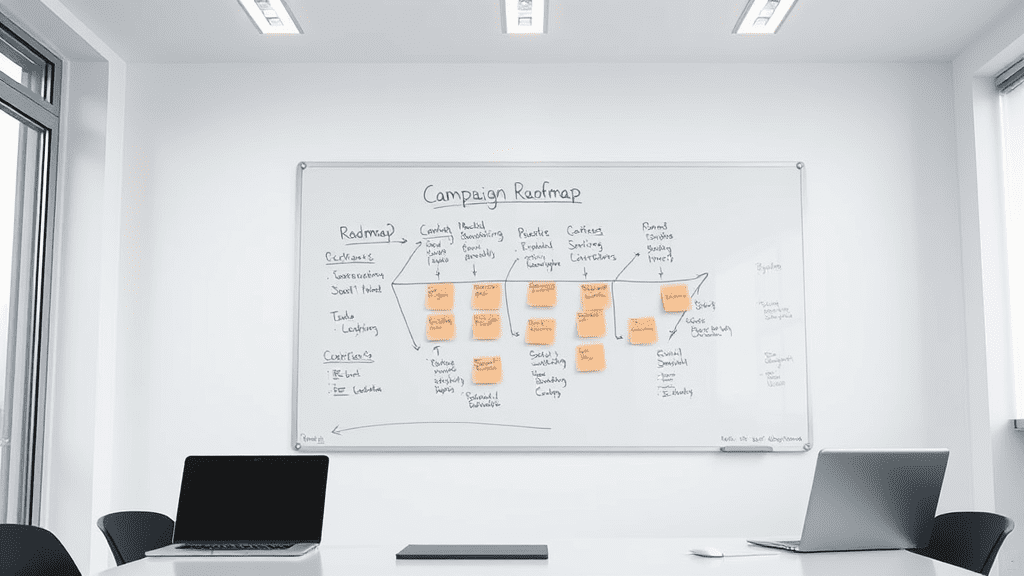
The 30/60/90 approach keeps teams aligned. Assign an owner, document tasks, and focus each phase on clear deliverables: tracking, testing, and scaling.
Match the page intent to the ad copy. Ensure the H1, hero benefits, and CTA mirror the best-performing ad elements. Small UX fixes—faster load, clearer form, visible trust signals—often improve conversion rates by 15–40%.
| Approach | Pros | Cons |
|---|---|---|
| Separate teams | Specialized focus | Risk of misalignment and duplication |
| Shared reporting | Better visibility and faster handoffs | Requires coordination process |
| Single owner | Clear accountability, faster decisions | Depends on one person’s bandwidth |
| Outsourced agency | Expert execution, faster scaling | Higher cost, oversight needed |
Choose the model that fits your resources. For many SMBs, shared reporting or a single-owner model gives the clearest path to coordinated action.

Combine paid and organic metrics to calculate a blended CAC. Track attributed and assisted conversions to see how channels work together before changing budgets.
Use this simple formula: Blended CAC = (PPC Spend + SEO Spend) / Attributable Conversions. For assisted conversions, count a portion of organic sessions that contributed within a 30–90 day window.
| Scenario | % to PPC | % to SEO | Expected timeline |
|---|---|---|---|
| Conservative | 70% | 30% | 3–6 months |
| Balanced | 50% | 50% | 3–9 months |
| Aggressive | 30% | 70% | 6–12 months |
Start modestly and shift budget as SEO gains momentum. If organic traffic and conversions improve steadily, move 10–20% of PPC funds into content and link-building every quarter to maximize ROI. Ready to build your plan? Get in touch with us today.
SEO is organic search optimization—improving site content, technical setup, and links to rank in search results. PPC (pay-per-click) uses paid ads to appear at the top of search pages. Together, they cover the funnel: PPC drives immediate traffic while SEO builds lasting visibility and lowers long-term acquisition costs.
Use PPC for new product launches, short promotions, or when you need traffic fast. If your organic ranking for a high-value keyword is low and you want conversions now, PPC is the fastest path. For many SMBs, a starter PPC budget of $500–$2,000/month gives useful test data.
Run ad copy and landing page A/B tests, then capture the highest-converting headlines, benefits, and CTAs. Turn those elements into SEO briefs that inform your H1, meta descriptions, and page copy. This reduces guesswork and focuses organic efforts on proven angles.
Budgets vary by industry. As a rule of thumb, start PPC at $500–$2,000/month for local SMBs. SEO investment ranges from $500–$3,000/month depending on whether you use in-house resources or an agency. Adjust based on CPCs, competition, and your growth goals.
They can overlap on commercial intent keywords. That overlap is useful: test with PPC first, then prioritize high-conversion terms for SEO. Use negative keywords in PPC to avoid cannibalizing low-margin organic traffic and protect your brand terms with targeted bids.
No. SEO is organic and does not charge per click. You invest in content, technical fixes, and links rather than bidding on each visit. PPC charges per ad click, which gives immediate placement but ongoing cost.
PPC delivers clicks immediately; expect actionable test data in 30–90 days. SEO gains show in 3–6 months for modest competition and 6–12 months in tougher markets. Use PPC for early wins while your SEO work builds compounding organic traffic.
If you want help aligning your campaigns and building a 90-day plan that fits your budget, get in touch with us today.