Local SEO benefits deliver measurable, local-customer growth: when properly optimized, your business appears in searches from people ready to buy nearby.
Key Takeaways
Local SEO drives high-intent traffic–more calls, visits, and in-store purchases.Quick wins: Google Business Profile, consistent NAP, and reviews; sustained growth requires local content and links.Measure value with calls, direction requests, bookings, and conversion tracking to prove ROI.
What is Local SEO and how it differs from general SEO
Local SEO focuses on optimizing your online presence to attract customers in a specific geographic area. Unlike broad SEO that targets national or interest-based queries, local optimization prioritizes proximity, relevance, and prominence to appear in the Local Pack, Google Maps, and local organic results.
Searchers with local intent — queries containing city names, neighborhood terms, or phrases like “near me” — are often closer to conversion. That makes the advantages of local SEO especially impactful for retailers, restaurants, professional services, and home-service businesses.
Top benefits of local SEO for small and retail businesses
Higher visibility where customers are searching: The Local Pack appears above organic results for many queries–showing here means immediate attention.
Better conversion rates: Local searchers often call, book, or visit the store. Local traffic converts at higher rates than generic traffic.
Cost-efficient marketing: Compared to broad PPC, local SEO focuses spend and time on high-value queries that lead to physical visits or service bookings.
Competitive edge for small businesses: Local optimization levels the playing field against larger brands that don’t target neighborhoods or cities.
Experts suggest that investing in local SEO often yields a higher return for brick-and-mortar operations than broad digital campaigns because the audience intent is more transactional. For a useful primer from Google on managing your public business listing, see Google Business Profile guidelines.
Key local ranking factors you must optimize
Google Business Profile (GBP): Claim and fully populate every field–business name, categories, hours, attributes, services, photos, and business description.
NAP consistency: Ensure your Name, Address, and Phone number match exactly across your website, GBP, and directory listings.
Reviews and reputation: Volume, recency, and your responses matter. Reviews impact both rankings and click-through rates.
On-page local signals: Use location pages, embed maps, include city and neighborhood keywords, and add LocalBusiness schema.
Local links and citations: Listings on niche directories, local news, and partnerships provide authority signals.
All these signals work together: GBP improves map-based visibility while on-page optimization and links help organic local rankings. Proximity often decides who shows up first, but relevance and prominence push you above competitors who are physically nearby.
Step-by-step local SEO implementation checklist (prioritized)
Below is a prioritized, practical checklist with actions organized by timeframe. Use it to assign tasks and expect wins sooner when you focus on the top-priority items first.
Immediate (first 30 days)
Claim and verify your Google Business Profile; set accurate categories and hours.
Ensure exact NAP on the website footer, GBP, and social profiles.
Add high-quality photos: storefront, interior, staff, signature products or menu.
Publish 3-5 quick posts on GBP with special offers or events to signal activity.
Short-term (1-3 months)
Ask customers for reviews and build a process to respond within 48 hours.
Create one location page per physical location with unique content and schema.
Build consistent citations in local directories and key vertical sites (Yelp, TripAdvisor, Angie’s List, etc.).
Mid-term (3-6 months)
Publish local content: neighborhood guides, local FAQs, case studies, and event pages targeting long tail local queries.
Implement LocalBusiness schema and service-specific schema for rich results.
Run link outreach to local publishers, chambers of commerce, and partners for contextual backlinks.
Ongoing
Monitor GBP insights, review cadence, and search console data.
Refresh content seasonally and add photos monthly.
Use call tracking and UTM tagging for attribution and iterate based on conversion data.
How to identify long tail keywords for local SEO
Long tail keywords for local SEO capture the exact phrasing customers use when they search for services nearby. To find them:
Start with seed terms (service + location): “plumber Brooklyn”, “vegan bakery near [neighborhood]”.
Use Google Autocomplete, “People also ask”, and related searches to expand phrases.
Scan review language, customer emails, and chat transcripts for real queries and pain points.
Filter keyword-tool results by location and prioritize high-intent modifiers: “open now”, “near me”, “same day”, “best”.
Create content specifically answering those queries: short FAQ pages, service pages for each neighborhood, and blog posts that match search intent. This targeted approach turns long tail traffic into bookings and calls.
Measuring ROI and tracking the value of local SEO
To prove the value of local SEO, track specific metrics that tie to revenue rather than vanity stats.
GBP metrics: calls, direction requests, clicks to website, and search impressions.
Behavioral metrics: website sessions for location pages, form submissions, and appointment bookings.
Offline attribution: call tracking numbers, POS codes or coupons used in-store, and customer surveys asking “How did you hear about us?”
Estimate revenue from local SEO by multiplying tracked leads (calls, bookings) by your close/conversion rate and average sale value. Experts suggest many local businesses see measurable uplifts within months if they prioritize GBP and reviews first.
Troubleshooting common local SEO problems
Loss of GBP visibility: Check for suspensions, review Google’s policy, and ensure the listing is verified. If suspended, follow the reinstatement process in the GBP dashboard.
Duplicate listings: Identify duplicates using citation tools and request merges or removals; keep the primary NAP identical everywhere.
Negative reviews: Respond quickly, empathize, offer next steps, and move the conversation offline. Encourage satisfied customers to post fresh reviews to balance sentiment.
No organic local visibility: Run a local SEO audit: page-level optimization, schema presence, backlink profile, and on-site mobile performance.
Focus on quick, high-impact improvements first–GBP, photos, and reviews will usually move the needle faster than complex technical changes.
Real-world examples and short case studies
Example 1: A neighborhood bakery optimized its GBP, added daily photos, and solicited reviews via receipts. Within eight weeks, calls increased 40% and weekend foot traffic doubled during peak season.
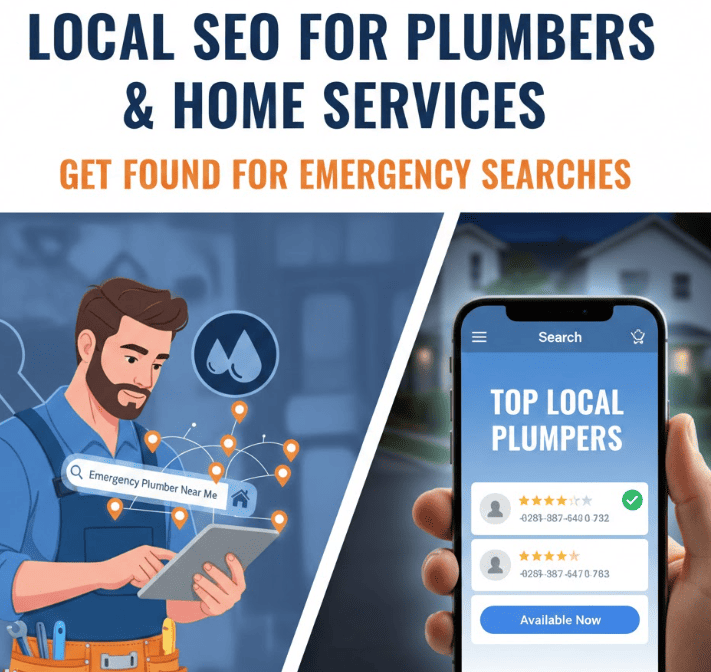
Example 2: A plumbing company created service-area pages targeting specific suburbs, added schema for service-level details, and used call tracking. In three months, organic local leads grew by 55% and booked jobs increased by 30%.
Quick takeaways by business type
Restaurants: GBP photos, menu schema, reservation links, and review responses are top priorities.
Home services (plumbers, electricians): Service area pages, local citations, and strong review collection processes win.
Retail stores: Accurate hours, product highlights on GBP, and local product landing pages help convert foot traffic.
Frequently Asked Questions
Is investing in local SEO worth it for a small shop?
Yes. Local SEO targets nearby customers who are likely to visit or call. By optimizing your GBP, reviews, and local pages you can see measurable increases in foot traffic and conversions within a few months.
How long does local SEO take to show results?
Some early improvements–like GBP updates and increased impressions–can appear in a few weeks. Meaningful traffic and revenue growth typically show in 3-6 months, depending on competition and how complete your setup is.
What if my business has multiple locations?
Create a separate, verified GBP for each location, build unique location pages, and maintain strict NAP consistency. Localized content and citation building should be done per location to avoid cannibalization.
How do I get more local reviews without violating policies?
Ask customers for reviews at the point of sale or via follow-up email/SMS. Make it easy with direct links. Never offer incentives for positive reviews–encourage honest, voluntary feedback and respond professionally to all reviews.
Final thoughts and next steps
Local SEO benefits compound: the work you do today–completing your Google Business Profile, collecting reviews, and building local content–continues to generate impressions and leads. Start with the high-impact items in the checklist, measure results with calls and bookings, and scale with content and local partnerships.
If you’d like a free, tailored local visibility audit and an implementation roadmap, Contact us today. We’ll evaluate your GBP, citation health, and quick opportunities to convert local intent into revenue.
Lark Begin is a digital marketer from Ottawa, Canada. Lark is an SEO Master, PPC expert and content writer. She helps many small businesses get ranked on Google each day.