Launching an app is an exciting but complicated process that needs careful planning, execution, and post-launch strategies. The competition in the app market is strong, with loads of apps available on both the Apple App Store and Google Play Store. To stand out, you need a well-thought-out plan that encompasses market research, development, marketing, optimization, and ongoing support.
If you want your app to be a success, this detailed guide will walk you through everything you need to know to ensure a smooth and effective launch. Keep reading to learn everything you need to know.
Carry Out Thorough Market Research
Before you even start developing your app, conducting extensive market research is crucial. This step helps you understand the industry, your target audience, and your competitors.
Key aspects of market research:
Identify Your Target Audience: Determine who will use your app. Understand their behaviors, preferences, and pain points. The more you know about your audience, the better you can tailor your app to meet their needs.
Analyze Competitors: Identify similar apps and analyze their strengths and weaknesses. What are they doing right? Where are they failing? Learning from competitors helps you differentiate your app and offer something unique.
Evaluate Market Trends: Stay updated on industry trends, such as emerging technologies, user expectations, and evolving app features. Incorporating trending features can make your app more appealing.
Define Clear Objectives and Goals
Without clear objectives, it can be difficult to judge success. Before you launch your app, establish a well-defined set of goals.
Essential goals for a successful app launch:
Set Measurable KPIs: Key Performance Indicators (KPIs) such as user acquisition, daily active users, retention rates, and revenue generation help gauge success.
Outline Your Unique Selling Proposition (USP): What makes your app different? Your USP should be clear and compelling to attract users and keep them engaged.
Decide on Monetization Strategies: Will your app generate revenue through in-app purchases, subscriptions, ads, or a one-time payment? Pick a monetization strategy that fits with your business goals.
Invest in Quality Development and Design
The development and design of your app are fundamental to its success. A poorly designed app with glitches and usability issues will lead to negative reviews and high uninstall rates.
Best practices for app development:
User-Friendly Interface (UI/UX): Ensure a clean, intuitive, and easy-to-navigate design. The user experience should be seamless, with minimal learning curves.
Ensure Robust Performance: Your app should be fast, responsive, and free of bugs. Conduct multiple rounds of testing to detect and resolve any issues.
Optimize for Multiple Devices and Platforms: Ensure your app functions well on different screen sizes, operating systems, and devices.
Focus on Security: Users are increasingly concerned about data privacy. Implement strong security measures to protect user data.
Implement a Strategic Marketing Plan
A strong marketing strategy is crucial for gaining visibility and attracting users. A well-executed marketing plan should start before the official launch.
Pre-launch marketing strategies:
Build Hype with Teasers and Previews: Create excitement by releasing teaser videos, sneak peeks, or early access sign-ups.
Beta Testing: Launch a beta version for a small group of users to gather feedback and improve your app.
Leverage Influencers and Bloggers: Work with influencers and tech bloggers to generate buzz before your app goes live.
Create a Landing Page: A dedicated website or landing page showcasing your app’s features, benefits, and release date can attract early users.
Post-launch marketing strategies:
App Store Optimization (ASO): Optimize your app listing with relevant keywords, an engaging description, high-quality screenshots, and an eye-catching icon.
Paid Advertising: Consider running ads on Google, social media platforms, or app store search ads to boost visibility.
Leverage Social Media: Regularly post updates, engage with users, and run contests or giveaways to keep your audience interested.
Optimize for App Stores
Your app’s visibility in the app store can make or break its success. App Store Optimization (ASO) ensures your app ranks well in search results.
ASO best practices:
Keyword Optimization: Use relevant and high-ranking keywords in your app’s title and description.
Create an Engaging Description: Highlight key features and benefits in a concise, compelling way.
Use High-Quality Visuals: Eye-catching screenshots, preview videos, and a professional app icon can increase downloads.
Encourage Positive Reviews: User ratings and reviews play a crucial role in app store rankings. Prompt satisfied users to leave positive feedback.
Plan for a Soft Launch
A soft launch involves releasing your app to a limited audience before the full-scale launch. This allows you to test performance, gather feedback, and make improvements.
Benefits of a soft launch:
Detect and Fix Bugs: Identify technical issues and fix them before the full launch.
Understand User Behavior: Analyze how users interact with your app and refine features accordingly.
Adjust Marketing Strategies: Test different marketing approaches and optimize them based on initial results.
Engage in Continuous Promotion
Your marketing efforts shouldn’t stop after the launch. Continuous promotion keeps your app relevant and attracts new users.
Post-launch promotion strategies:
Regular Updates: Keep users engaged by rolling out new features, fixing bugs, and improving user experience.
Push Notifications: Use push notifications strategically to re-engage users, but avoid overuse.
Email Marketing: Keep users informed about new features, promotions, and updates.
Collaborations and Partnerships: Partner with complementary brands or influencers to reach a broader audience.
Monitor and Analyze User Feedback
Listening to your users is crucial for improving your app and maintaining a loyal user base.
Effective ways to gather user feedback:
In-App Surveys and Feedback Forms: Encourage users to share their thoughts and suggestions.
Analyze Reviews: Regularly check app store reviews to identify trends in user complaints and compliments.
Track User Behavior: Use analytics tools to monitor user activity, retention rates, and areas where users drop off.
Make The Most of Professional Link Building Services
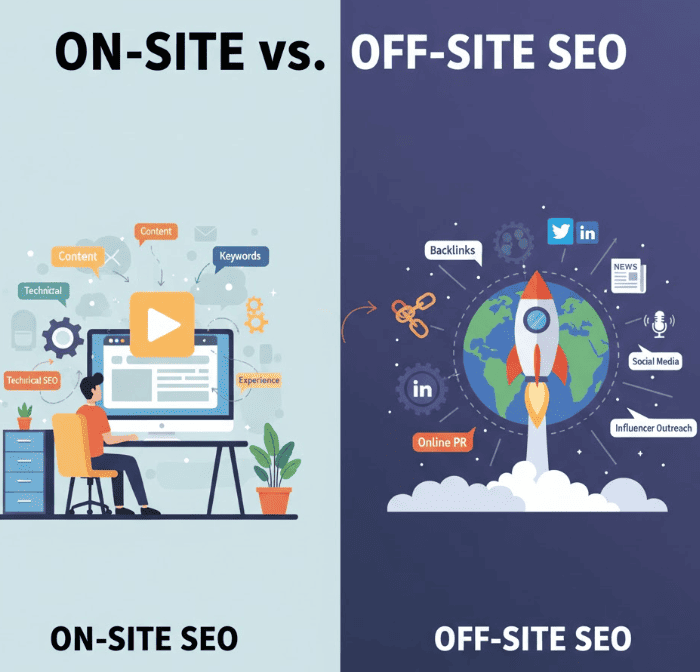
Improving your app’s online presence helps in gaining organic traffic. One effective method is through link building, which boosts your app’s credibility and visibility. Click Intelligence offers expert link-building services, helping your app gain high-quality backlinks from authoritative sources. These backlinks not only enhance your app’s search engine ranking but also drive targeted traffic to your app’s landing page, increasing conversions and user acquisition. A well-executed link-building strategy can significantly improve brand awareness and establish your app as a reputable player in the market.
Ensure Robust Support and Maintenance
Your job isn’t over after the app is launched. Providing ongoing support ensures a positive user experience.
Key aspects of support and maintenance:
Customer Support: Offer multiple support channels, such as chat, email, or phone assistance.
Stay Updated with OS Changes: Ensure compatibility with the latest Android and iOS updates.
Summing It All Up
A successful app launch requires a combination of thorough research, strategic marketing, seamless development, and ongoing support. By implementing the steps outlined in this guide, you can maximize your chances of success and create a thriving app that stands out in the competitive market.
Remember, the work doesn’t stop after launch. Continually improving your app, listening to user feedback, and optimizing marketing strategies will ensure long-term growth and user retention. With dedication and a well-planned approach, your app can achieve great success in the digital landscape.
Lark Begin is a digital marketer from Ottawa, Canada. Lark is an SEO Master, PPC expert and content writer. She helps many small businesses get ranked on Google each day.