A structured local SEO checklist isn’t optional for small and multi-location businesses in 2026—it is the difference between capturing daily inbound phone calls from the Google Map Pack or losing local customers to competitors. With mobile “near me” searches, Google Maps, and AI-generated recommendations (like Google AI Overviews and ChatGPT) driving the majority of local service bookings, your local footprint needs to be engineered across every ranking signal.
What is on the ultimate 10-step Local SEO Checklist for 2026?
- Google Business Profile (GBP) Engineering: Verify your listing, set exact primary and secondary categories, build out service menus, and publish weekly geo-targeted updates.
- High-Intent Local Keyword Research: Map commercial “service + city”, neighbourhood, and conversational question keywords with real buyer intent.
- On-Page Local Landing Page Optimization: Optimize title tags, H1–H2 headings, internal links, and unique city/suburb service pages without thin doorway content.
- LocalBusiness & FAQPage Schema Markup: Embed structured JSON-LD data so search engines and AI crawlers verify your exact address, coordinates, hours, and services.
- NAP Citation Consistency & Aggregator Lock: Synchronize your Name, Address, and Phone Number across top directories (Apple Business Connect, Bing Places, BBB, YellowPages) and suppress duplicates.
- Review Velocity & Keyword-Rich Responses: Automate SMS/email review requests after every job and reply promptly to every review.
- Hyper-Local & Industry Backlink Building: Earn authoritative local links from chambers of commerce, community sponsorships, local PR, and niche trade directories.
- Answer Engine Optimization (AEO) for AI Search: Format direct Q&A blocks and transparent pricing ranges so ChatGPT, Perplexity, and Google AI Overviews recommend your business.
- Mobile Core Web Vitals & Click-to-Call CRO: Ensure sub-2.5-second mobile load speeds, sticky tap-to-call buttons, and frictionless quote forms.
- Map Pack Grid & Conversion Tracking: Track local rank grids, GBP call/direction metrics, Google Search Console queries, and GA4 key events.
Want Our Team to Audit Your Local SEO? Get a Free Local SEO & Map Pack Audit →
2026 Local SEO Ranking Factors: Priority & Impact Matrix
| Local SEO Pillar | Primary Target | Time to Impact | Priority Level |
|---|---|---|---|
| Google Business Profile (GBP) | Google Local 3-Pack & Google Maps | 30–90 Days | Critical (#1 Map Pack Driver) |
| On-Page Local Service & City Pages | Organic Page-1 Rankings & Map Pack Relevance | 2–4 Months | Critical |
| Google Reviews (Velocity & Recency) | Map Pack Prominence, Conversion Rate & AI Trust | Ongoing (30+ Days) | High |
| NAP Citations & Local Backlinks | Domain Authority, Entity Verification & AI Citations | 2–6 Months | High |
| AEO & Schema Markup (JSON-LD) | ChatGPT, Perplexity & Google AI Overviews | 1–3 Months | High |
1. Optimize Your Google Business Profile (GBP)
Did you know that Google Business Profile signals account for over 30% of Google Local 3-Pack ranking factors? Your Google Business Profile is your highest-converting local digital asset—often generating direct phone calls before a prospect ever clicks through to your website.
Google Business Profile Checklist:
- Exact Legal Business Name: Use your real-world business name without spammy keyword stuffing that can trigger a profile suspension.
- Primary & Secondary Categories: Select the most specific primary category for your core revenue service, plus all relevant secondary categories.
- Complete Service & Product Menus: Build out every individual service with 250–300 character descriptions containing natural local keywords.
- Weekly GBP Updates & Photos: Publish weekly updates/offers and upload authentic photos of your team, storefront, vehicles, and completed client projects.
- Pre-Populated Q&A Section: Seed your profile’s Q&A section with common customer questions about parking, service areas, emergency availability, and pricing.
2. Conduct High-Intent Local Keyword Research
To rank locally, you need to target the exact phrases local buyers type—and speak—when they are ready to hire. Using tools like Google Keyword Planner, Google Search Console, and Semrush, group your local keywords into three buckets:
- Core Commercial “Service + City” Terms: e.g., “emergency plumber Ottawa”, “personal injury lawyer Hamilton”, or “local SEO company”.
- Hyper-Local Neighbourhood Modifiers: Targeting specific suburbs and districts (such as Kanata, Nepean, Barrhaven, Ancaster, or Walkerville) where proximity competition is lower and conversion rates are higher.
- Conversational Cost & Comparison Queries: Long-tail questions like “how much does roof replacement cost in [City]?” that trigger Featured Snippets and AI Overviews.
3. Perfect Your On-Page SEO for Service & Location Pages
Your website validates every claim you make on your Google Business Profile. Without strong on-page SEO, your business will struggle to break into the Local 3-Pack for competitive terms. Make sure every core service and location page includes:
- Localized Title Tags & Meta Descriptions: Put your primary service and city near the front of your title tag (under 60 characters) and write a compelling meta description (under 155 characters) highlighting your USP (e.g., “Month-to-Month”, “24/7 Dispatch”, “90+ 5-Star Reviews”).
- Clear H1, H2 & H3 Hierarchy: Use one clear H1 containing your target service and location, supported by question-based H2 and H3 subheadings.
- Unique Suburb & Multi-Location Pages: Never duplicate the same paragraph across 10 city pages with only the city name swapped out. Include neighbourhood landmarks, local case studies, regional pricing nuances, and specific service details for each location.
- Contextual Internal Linking: Link your blog posts, case studies, and location pages directly to your core local SEO service pages using descriptive anchor text.
4. Implement LocalBusiness & FAQPage Schema Markup
Structured data (JSON-LD schema markup) gives Google and AI search crawlers machine-readable proof of who you are, what you sell, and where you operate. Every local business website should deploy:
LocalBusiness(or Industry-Specific Subtype) Schema: Specify your exact business name, street address, geo-coordinates, phone number, opening hours, price range, andareaServedcities.SameAsEntity Links: Connect your website schema to your official Google Business Profile, LinkedIn, Facebook, BBB, and industry directory profiles.FAQPage&ServiceSchema: Mark up the specific services and frequently asked questions on each landing page.
5. Build Online Directory Citations & Lock NAP Consistency
According to Moz’s Local Search Ranking Factors, citation accuracy and directory presence remain foundational trust signals for both Google Maps and AI answer engines (like ChatGPT and Perplexity, which pull local data from Bing Places, Apple Maps, and Yelp).
- Core Search & Map Ecosystems: Claim and verify Google Business Profile, Bing Places for Business, and Apple Business Connect.
- National & Regional Directories: Ensure 100% identical Name, Address, and Phone Number (NAP) formatting across YellowPages, Canada411, BBB, Yelp, and FourSquare.
- Industry-Specific Directories: Secure verified listings on the platforms AI engines cite most in your vertical (such as Clutch, Semrush Agency Partners, HomeStars, Houzz, Avvo, or RateMDs).
- Duplicate Suppression: Audit and remove old addresses, tracking phone numbers, or duplicate practitioner listings that dilute your ranking authority.
6. Build Review Velocity—And Respond to Every Review
Over 87% of consumers read online reviews for local businesses before picking up the phone. Both Google’s Map Pack algorithm and AI recommendation engines weigh three review factors heavily:
- Review Count & Star Rating: Earning a steady stream of authentic 5-star reviews to outpace local competitors.
- Review Recency (Velocity): Getting 3–5 new reviews every month beats having 50 reviews from three years ago and nothing recent.
- Detailed Customer Context & Owner Replies: Ask happy clients to mention the specific service you performed and their city, and respond to 100% of reviews within 24–48 hours.
7. Earn Authoritative Local & Industry Backlinks
White-hat local link building proves to Google that your company is a trusted, established pillar in your community. Focus on high-relevance local links rather than generic overseas guest posts:
- Local Chambers of Commerce & Trade Associations: Join your municipal Board of Trade, BIA, or regional contractor/professional association.
- Local Sponsorships & Charities: Sponsor local sports teams, charity runs, or community events that link back to supporting businesses.
- B2B Partner Cross-Links: Partner with complementary non-competing local businesses (e.g., an HVAC company partnering with a local electrical or roofing contractor) for resource guides and referrals.
- Local Digital PR & “Best Of” Listicles: Pitch your business for inclusion in curated city listicles and regional publications that AI models frequently cite.
8. Optimize for Answer Engine Optimization (AEO) & Voice Search
In 2026, local search happens across Google AI Overviews, ChatGPT Search, Perplexity, Siri, and Google Assistant. When a local buyer asks, “Who is the best-rated local SEO agency near me with month-to-month plans?”, Answer Engine Optimization (AEO) ensures your brand is named in the response:
- Direct Answer Introductions: Answer the core question of every page in the first 50–75 words using clear, factual language.
- Comparison Tables & Pricing Transparency: Publish structured HTML tables and real pricing tiers (like our Ottawa SEO Pricing & ROI Guide) that LLMs can easily extract and cite.
- Named Expert Authorship (E-E-A-T): Attribute your guides and service pages to real, verifiable subject-matter experts with credentials and LinkedIn profiles.
9. Mobile Speed, Core Web Vitals & Conversion Rate Optimization (CRO)
With over 60% of local searches happening on mobile devices, a slow or clunky mobile site kills both your rankings and your lead conversion rate:
- Core Web Vitals: Compress images into WebP format, eliminate render-blocking scripts, and keep Largest Contentful Paint (LCP) under 2.5 seconds.
- Sticky Tap-to-Call Header: Make your phone number a one-tap clickable button at the top of every mobile screen.
- Above-the-Fold Social Proof: Display your Google review star rating, client logos, and a short 3-field quote/audit form above the fold.
10. Track Local Rank Grids, Calls & AI Search Visibility
You can’t scale what you don’t measure. Move beyond vanity traffic metrics and track the KPIs that directly grow your revenue:
- Google Business Profile Performance: Monitor monthly phone calls, website clicks, bookings, and driving direction requests directly from your profile.
- Local Geo-Grid Rank Tracking: Track your Map Pack #1–#3 rankings across a multi-kilometre neighbourhood grid—not just from a single postal code.
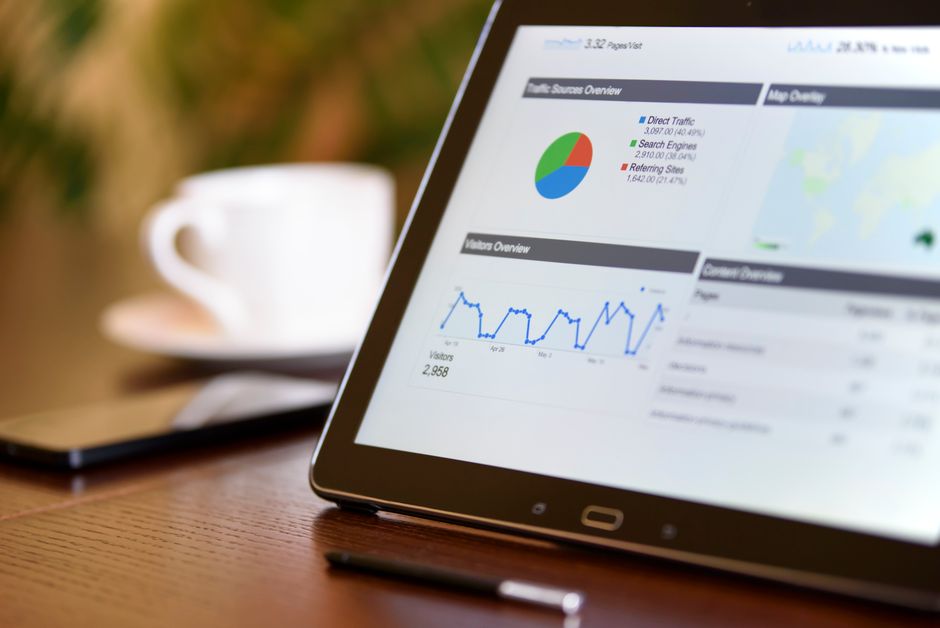
- Google Search Console & GA4 Key Events: Monitor high-impression page-2 queries, organic click-through rates, phone clicks, and form submissions.
- AI Citation Monitoring: Track how often ChatGPT, Gemini, Perplexity, and Google AI Overviews cite your domain and recommend your brand.
Frequently Asked Questions About Local SEO
How long does it take for this local SEO checklist to show results?
Most local businesses see initial improvements in Google Business Profile calls and Map Pack impressions within 30 to 90 days after fixing categories, NAP citations, and on-page service signals. Competitive Page-1 organic rankings and consistent AI search citations typically compound over 3 to 6 months.
What is the most important item on a local SEO checklist?
Your Google Business Profile (GBP) optimization—specifically your primary category, physical proximity, verified Google review velocity, and linked landing page relevance—is the #1 driver for ranking in the Google Local 3-Pack.
How is Local SEO different from Answer Engine Optimization (AEO)?
Local SEO focuses on ranking your business in the Google Map Pack and traditional local organic results for keywords like “dentist near me”. Answer Engine Optimization (AEO) structures your website with direct answers, comparison tables, schema markup, and third-party directory citations so AI platforms like ChatGPT, Perplexity, and Google AI Overviews recommend your business when users ask conversational questions.
How much does professional local SEO cost in Canada?
Professional local SEO for a single-location small business typically ranges from $600 to $1,500+ CAD per month, while multi-location or high-competition regional SEO and AEO campaigns range from $1,500 to $2,800+ CAD per month. At Profit Parrot, all campaigns run on transparent, month-to-month terms with zero long-term contracts.
Ready to Dominate Your Local Market on Google Maps & AI Search?
Don’t have time to execute every step of this local SEO checklist on your own? At Profit Parrot Marketing, our award-winning team has over 17 years of experience helping local businesses across Ottawa, Canada, and the US rank in the Top 3 of Google Maps, Page 1 of Google, and AI Overviews—with flexible month-to-month service and no long-term lock-ins.
Get Your Free Local SEO & Map Pack Audit Today → or Book a Strategy Call With Our Team.