If your business website is stuck on page two—or invisible when prospects ask AI assistants for local recommendations—you are leaving your highest-intent leads on the table. Whether you run a local service business in Ottawa or scale an enterprise site across Canada, mastering the fundamentals of modern SEO and Answer Engine Optimization (AEO) is the highest-ROI marketing investment you can make.
Quick Summary: The 10 SEO Pillars That Matter Most in 2026
- On-Page Precision: Write intent-matched, high-CTR title tags and unique meta descriptions for every revenue page.
- AI & Answer Engine Formatting: Lead sections with direct 40–60 word answers and deploy JSON-LD schema so Google AI Overviews and ChatGPT cite your brand.
- Technical Speed & Mobile UX: Pass Core Web Vitals (LCP ≤ 2.5s, INP ≤ 200ms, CLS ≤ 0.1) and compress images into WebP/AVIF.
- Authority & Local Dominance: Build relevant white-hat backlinks, optimize your Google Business Profile, and use internal links and CRO to turn traffic into phone calls.

10 Significant SEO Tips for Higher Rankings & Qualified Leads
Craft Click-Worthy, Unique Title Tags and Meta Descriptions
Your title tag and meta description are your organic ad copy on the Search Engine Results Page (SERP). According to Google Search Central’s official snippet documentation, while meta descriptions are not a direct ranking algorithm signal, well-written snippets generate higher organic click-through rates (CTR) by showing searchers that your page directly answers their query.
One of the most common technical mistakes we uncover during on-page SEO audits is duplicate or truncated metadata across service and location pages. Large-scale SERP analysis by Ahrefs (studying 192,000+ pages) found that Google rewrites meta descriptions roughly 62.78% of the time when they are missing, duplicated, or poorly aligned with search intent.
- Keep title links between 50 and 60 characters so they don’t get truncated on mobile SERPs.
- Keep meta descriptions between 140 and 155 characters, front-loading your primary keyword, location (if applicable), and a clear value proposition (e.g., “Month-to-month plans” or “24/7 emergency service”).
- Audit your site in Google Search Console or Screaming Frog to eliminate duplicate titles and missing meta descriptions across core service pages.
Publish E-E-A-T Driven, Original Content That Solves Search Intent
Generic, surface-level blog posts no longer rank. As outlined in Google Search Central’s Creating Helpful, Reliable, People-First Content guidelines and the official Google Search Quality Rater Guidelines (PDF), content is evaluated through the lens of E-E-A-T: Experience, Expertise, Authoritativeness, and Trustworthiness. Before writing a single word, diagnose the exact search intent behind the query:
- Informational Intent: The user wants a clear answer, checklist, or cost breakdown (e.g., “How much does SEO cost in Ottawa?”).
- Commercial Investigation: The user is comparing providers or options (e.g., “Best local SEO company vs in-house marketing”).
- Transactional / Local Intent: The user is ready to hire or buy now (e.g., “Ottawa SEO agency free audit”).
To outrank competitors, inject first-hand experience into every page. Include real client case study metrics, original pricing tables, step-by-step methodologies, and named author bios backed by verifiable credentials. When both human readers and AI models see specific, verifiable proof rather than generic fluff, your rankings and conversions climb together.
Optimize Images for Next-Gen Speed, Alt Text, and Visual Search
Unoptimized, multi-megabyte PNG and JPEG files are a major contributor to slow page load times. Following Google’s Image SEO Best Practices serves two critical functions: it keeps your pages fast for mobile users, and it helps search engine crawlers and vision-enabled AI models understand what your page depicts.
Every image on your site should follow a strict optimization workflow before and after upload:
- Serve Next-Gen Formats: Convert heavy PNGs and JPEGs into WebP or AVIF formats. According to Google’s official WebP compression study, WebP lossless images are 26% smaller than PNGs, and WebP lossy images are 25% to 34% smaller than comparable JPEG images without sacrificing visual sharpness.
- Use Descriptive File Names: Rename files from
IMG_8492.jpgto descriptive, hyphenated slugs likeottawa-local-seo-map-pack-results.webpbefore uploading. - Write Context-Rich Alt Attributes: Alt text ensures web accessibility for screen readers and gives search engines semantic context. Describe the image naturally without keyword stuffing.
- Set Explicit Dimensions & Lazy Loading: Always define
widthandheightattributes on<img>tags to prevent layout shifts, and apply browser-levelloading="lazy"to below-the-fold visuals.

Prioritize Mobile-First UX and Core Web Vitals (LCP, INP, CLS)
Per Google Search Central’s Mobile-First Indexing documentation, Google predominantly uses the mobile version of a site’s content for indexing and ranking. Note that Google officially retired its legacy standalone Mobile-Friendly Test tool and Search Console Mobile Usability report in late 2023; today, mobile performance is measured through PageSpeed Insights (Lighthouse) and your Core Web Vitals report in Google Search Console.
In 2026, your technical team should hit Google’s three official web.dev Core Web Vitals thresholds at the 75th percentile of mobile page loads:
- Largest Contentful Paint (LCP) ≤ 2.5 seconds: Measures loading performance—how quickly the main above-the-fold content renders. Fast server response times (TTFB), CDN caching, and preloading hero images keep LCP in the green.
- Interaction to Next Paint (INP) ≤ 200 milliseconds: Officially replaced First Input Delay (FID) in March 2024 as Google’s responsiveness metric. Minimize bloated third-party JavaScript so taps and clicks respond instantaneously.
- Cumulative Layout Shift (CLS) ≤ 0.1: Measures visual stability so buttons and text don’t jump around while the page loads.
If you’re planning a site refresh, read our guide on why web design without SEO fails to ensure speed and architecture are baked into your build from day one.
Build High-Authority, Relevant Backlinks (Quality Over Quantity)
Backlinks remain one of Google’s strongest authority signals—and they also heavily influence which brands AI models trust and cite. A Backlinko study of 11.8 million Google search results found that the #1 result in Google has an average of 3.8x more backlinks than positions #2 through #10. However, as Google’s Link Spam Policies make clear, a single contextual editorial link from a respected industry publication, local Chamber of Commerce, or regional news outlet carries far more weight than hundreds of low-quality directory links.
Focus your white-hat link building strategy on earning links that real humans actually click:
- Publish Linkable Assets: Original local pricing studies, industry benchmarks, and free calculators naturally attract editorial citations from journalists and bloggers.
- Digital PR & Expert Commentary: Contribute expert insights to industry roundups, local business publications, and partner blogs where your target buyers already read.
- Reclaim Unlinked Brand Mentions & Broken Links: Monitor where your business or founders are mentioned online without a link, and reach out to request a clickable attribution.
- Competitor Backlink Gap Analysis: Use tools like Ahrefs or Semrush to see which trusted domains link to your top three competitors but not yet to you.
Format for Conversational Queries, Voice Search, and AI Overviews (AEO)
How buyers search has shifted from two-word fragments (“Ottawa plumber”) to full, conversational prompts across Google’s AI Overviews and AI Mode, voice assistants, and answer engines like ChatGPT and Perplexity (e.g., “Who is the best-rated commercial plumber in Ottawa for emergency boiler repair?”).
To capture Featured Snippets, Google AI Overviews, and AI assistant citations, structure your content using Answer Engine Optimization (AEO) principles:
Whenever you use a question-based H2 or H3 heading (starting with How, What, Why, How Much, or Should I), immediately follow it with a direct, self-contained 40-to-60-word answer paragraph before expanding into deeper details or bullet points. Research by Semrush’s Featured Snippet study shows that paragraph snippets average 40 to 50 words—making concise summary blocks ideal for both Google and LLM extraction.

Build Topical Authority with Semantic Entities and Topic Clusters
Search engines no longer rank pages simply because a keyword appears five times in the body copy. Google’s natural language processing (NLP) and Knowledge Graph evaluate entities (people, places, services, credentials, concepts) and how thoroughly your website covers a subject as a whole.
Instead of publishing random, disconnected blog posts, organize your content into Topic Clusters:
- 1. The Pillar Page: A comprehensive, high-converting hub page targeting a core service or broad topic (e.g., Local SEO for Small Businesses).
- 2. Cluster Supporting Articles: Deep-dive guides answering specific sub-questions—such as pricing breakdowns, Google Business Profile spam guidelines, local citation checklists, and industry-specific playbooks.
- 3. Bidirectional Internal Links: Every supporting article links back to the pillar page with descriptive anchor text, and the pillar page links out to the supporting cluster posts.
Implement Structured Data (JSON-LD Schema Markup)
If content is what humans read on your website, JSON-LD Schema Markup is the native language of search engine crawlers and AI models. Per Google Search Central’s Structured Data documentation, Google explicitly recommends JSON-LD as the preferred format for implementing Schema.org vocabulary because it cleanly separates machine-readable entity data from user-facing HTML.
As we detail in our guide to schema markup for businesses, always validate your code using Google’s Rich Results Test and prioritize these official schema types:
LocalBusiness/ProfessionalServiceSchema: Defines your exact business name, address, phone number (NAP), geo-coordinates, service areas, hours, and verified directory profiles viasameAslinks.ServiceSchema: Clarifies each specific service line and target audience on your core landing pages.Article&PersonSchema: Connects blog content to a verified expert author bio to reinforce E-E-A-T.FAQPageSchema: Marks up on-page Q&As so AI search engines can parse your answers with zero friction.
Dominate Local Search & the Google Map Pack
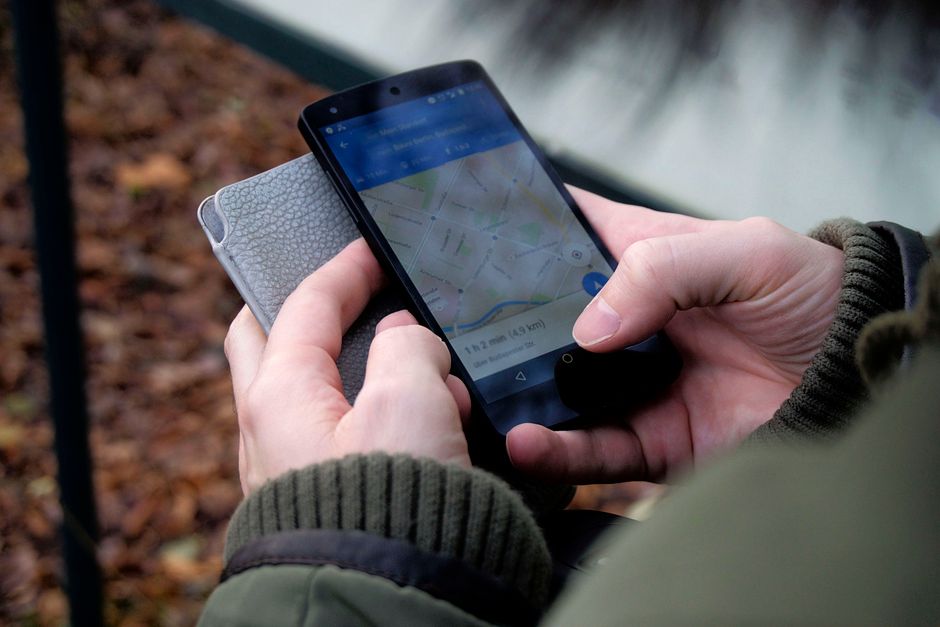
For local and regional businesses, local pack visibility is where the highest-converting leads originate. Eye-tracking and click-stream research—including BrightLocal’s Local Consumer Review Survey and Backlinko’s Google User Behavior study—shows that 42% of local searchers click directly on listings inside the Google Map Pack (the top 3 local map results), while 88% of consumers read Google reviews before choosing a local business.
To lock in Map Pack visibility in accordance with Google’s official guidelines for improving your local ranking (Relevance, Distance, and Prominence):
- Fully Optimize Your Google Business Profile (GBP): Select the most accurate primary and secondary categories, fill out every individual service with detailed descriptions, upload authentic team and project photos monthly, and publish weekly GBP updates.
- Maintain 100% NAP Consistency: Ensure your Name, Address, and Phone number match character-for-character across your website footer, GBP, Bing Places, Apple Business Connect, BBB, YellowPages, and industry directories.
- Build Steady Review Velocity: A consistent stream of detailed 5-star Google reviews—where customers naturally mention the service you performed and your city—is one of the strongest local prominence signals in Whitespark’s Local Search Ranking Factors survey.

Strengthen Internal Linking & Conversion Rate Optimization (CRO)
Ranking #1 on Google means nothing if visitors land on your page, get confused, and leave without calling or filling out a form. Two of the highest-leverage activities in SEO are strategic internal linking and Conversion Rate Optimization (CRO).
First, follow Google Search Central’s link best practices and our internal linking strategy guide to funnel authority from your high-traffic informational blog posts directly to your core revenue pages. Replace vague anchor text like “click here” or “read more” with descriptive, keyword-rich anchors (e.g., “explore our Ottawa local SEO services”) and ensure you have zero orphan pages (pages with no internal links pointing to them).
Second, design every page for user engagement and conversion:
- Place a clear value proposition, trust signals (client logos, Google review ratings, case study numbers), and a primary Call-to-Action (CTA) above the fold.
- Break up walls of text with subheadings every 200–300 words, bulleted lists, and comparison tables to maximize dwell time and engagement.
- Use click-to-call phone numbers in sticky mobile headers and keep lead capture forms short and frictionless.
2026 SEO Priorities at a Glance: Impact vs. Implementation Effort
Not sure where to start? Use this priority matrix to sequence your SEO roadmap for maximum return on investment:
| SEO Strategy | Primary Impact Area | Difficulty | Typical Time to Impact |
|---|---|---|---|
| 1. Unique Titles & Meta Descriptions | Organic CTR & Keyword Relevance | Low | 2 – 4 Weeks |
| 2. E-E-A-T & Intent-Aligned Content | Organic Rankings & Lead Quality | Medium – High | 1 – 3 Months |
| 3. Next-Gen Image Optimization (WebP) | Page Speed & Visual Search | Low | 1 – 3 Weeks |
| 4. Core Web Vitals & Mobile UX | Technical Rankings & Bounce Rate | Medium | 2 – 6 Weeks |
| 5. White-Hat Authority Backlinks | Domain Authority & Competitive SERPs | High | 2 – 6 Months |
| 6. AEO & Conversational Formatting | Google AI Overviews & ChatGPT Citations | Low – Medium | 2 – 6 Weeks |
| 7. Semantic Topic Clusters | Sitewide Topical Authority | Medium – High | 2 – 4 Months |
| 8. JSON-LD Schema Markup | Rich Snippets & Entity Recognition | Medium | 2 – 4 Weeks |
| 9. Google Business Profile & Reviews | Local Map Pack & Direct Calls | Low – Medium | 3 – 8 Weeks |
| 10. Internal Linking & CRO | Service Page Rankings & Lead Volume | Low | 2 – 4 Weeks |
Frequently Asked Questions About Modern SEO
What are the most important SEO ranking factors in 2026?
In 2026, the most significant SEO ranking factors are search intent alignment, E-E-A-T (Experience, Expertise, Authoritativeness, and Trustworthiness), high-authority relevant backlinks, Core Web Vitals (especially INP under 200ms and LCP under 2.5s), structured data (JSON-LD schema), and Answer Engine Optimization (AEO) formatting for Google AI Overviews and ChatGPT.
How long does it take to see results from these SEO tips?
Quick technical and on-page wins—such as rewriting title tags, adding FAQ and LocalBusiness schema, compressing images, and building internal links from existing high-traffic pages—often improve impressions and click-through rates within 2 to 4 weeks. Competing for top-3 organic rankings and Google Map Pack dominance in competitive markets typically takes 3 to 6 months of consistent execution.
Does traditional SEO help my business show up in ChatGPT and Google AI Overviews?
Yes. AI search engines like ChatGPT, Perplexity, and Google AI Overviews rely on traditional search indexes and authoritative web pages to ground their answers. When you combine clean technical SEO and local authority with answer-first headings, comparison tables, and verified third-party citations, your brand is far more likely to be recommended by AI assistants.