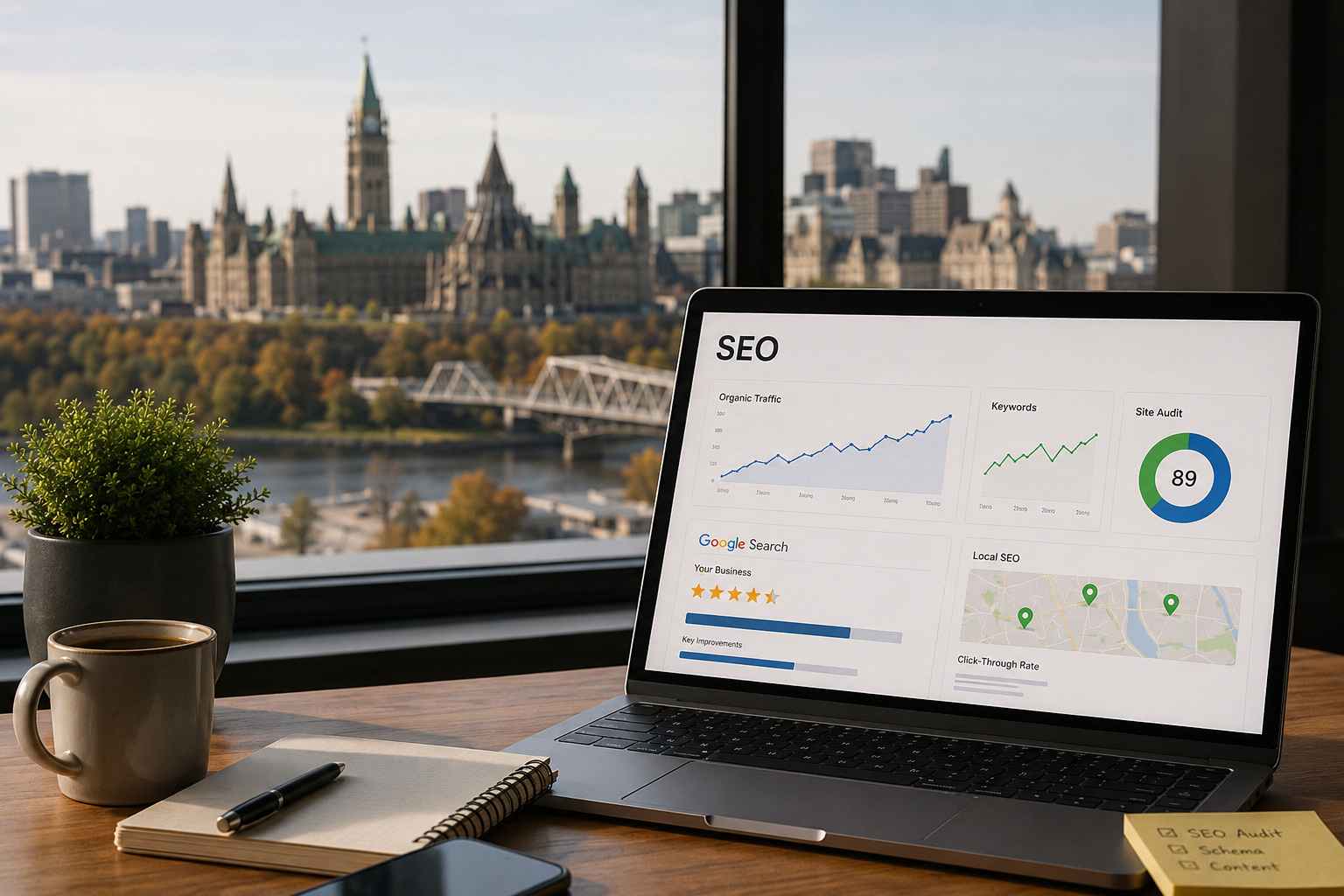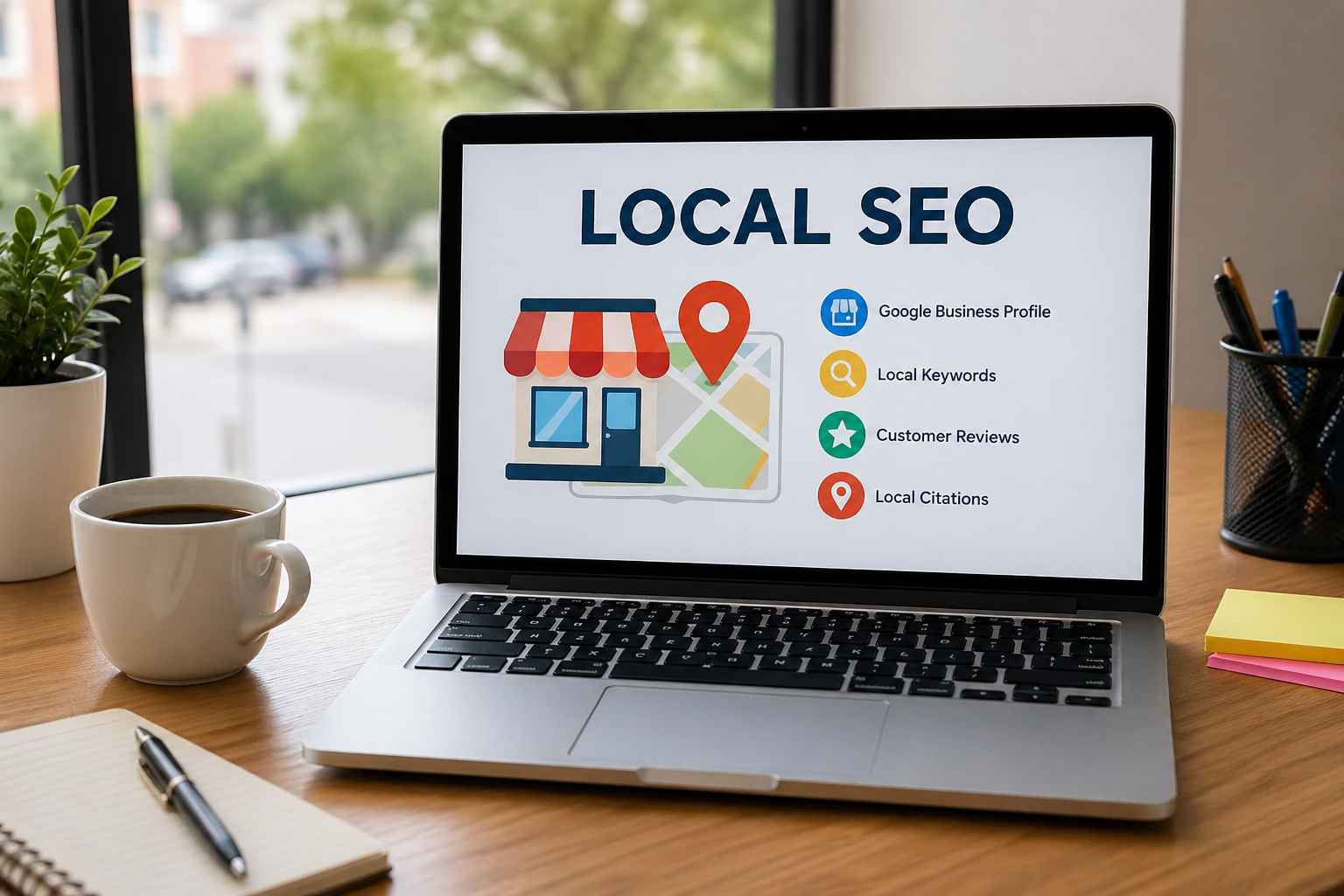


Driving traffic is often treated as the ultimate goal of digital marketing. Rankings go up, sessions increase, dashboards look impressive. Yet many businesses still struggle to turn that attention into actual growth. The truth is that traffic on its own isn’t a growth strategy; it’s only one part of a much bigger system.
Below are the key reasons why traffic alone rarely delivers meaningful business results.
Not all traffic is equal. A surge in visitors means very little if those users aren’t actively looking for what you offer. Informational clicks, curiosity visits, or broad keyword traffic often inflate numbers without producing leads or sales.
Growth comes from attracting people with clear intent, not just anyone who happens to land on a page. Without intent alignment, traffic becomes noise rather than an opportunity.
2. Visibility Doesn’t Equal Trust
Being found online doesn’t automatically make a brand credible. Users make split-second judgments based on messaging, design, clarity, and authority signals. If a website attracts visitors but fails to build trust quickly, those visitors leave without engaging.
SEO that supports growth focuses on authority, relevance, and credibility. This is where working with an experienced SEO marketing agency helps ensure visibility is backed by trust, not just rankings.
3. Poor User Experience Breaks the Funnel
Traffic often fails to convert because the user journey is broken. Slow load times, unclear navigation, confusing layouts, or weak calls to action all create friction. Even highly targeted traffic won’t perform if users can’t easily understand what to do next.
SEO and digital marketing should guide users, not just attract them. Growth happens when traffic flows smoothly from the entry point to conversion.

4. Metrics Can Be Misleading
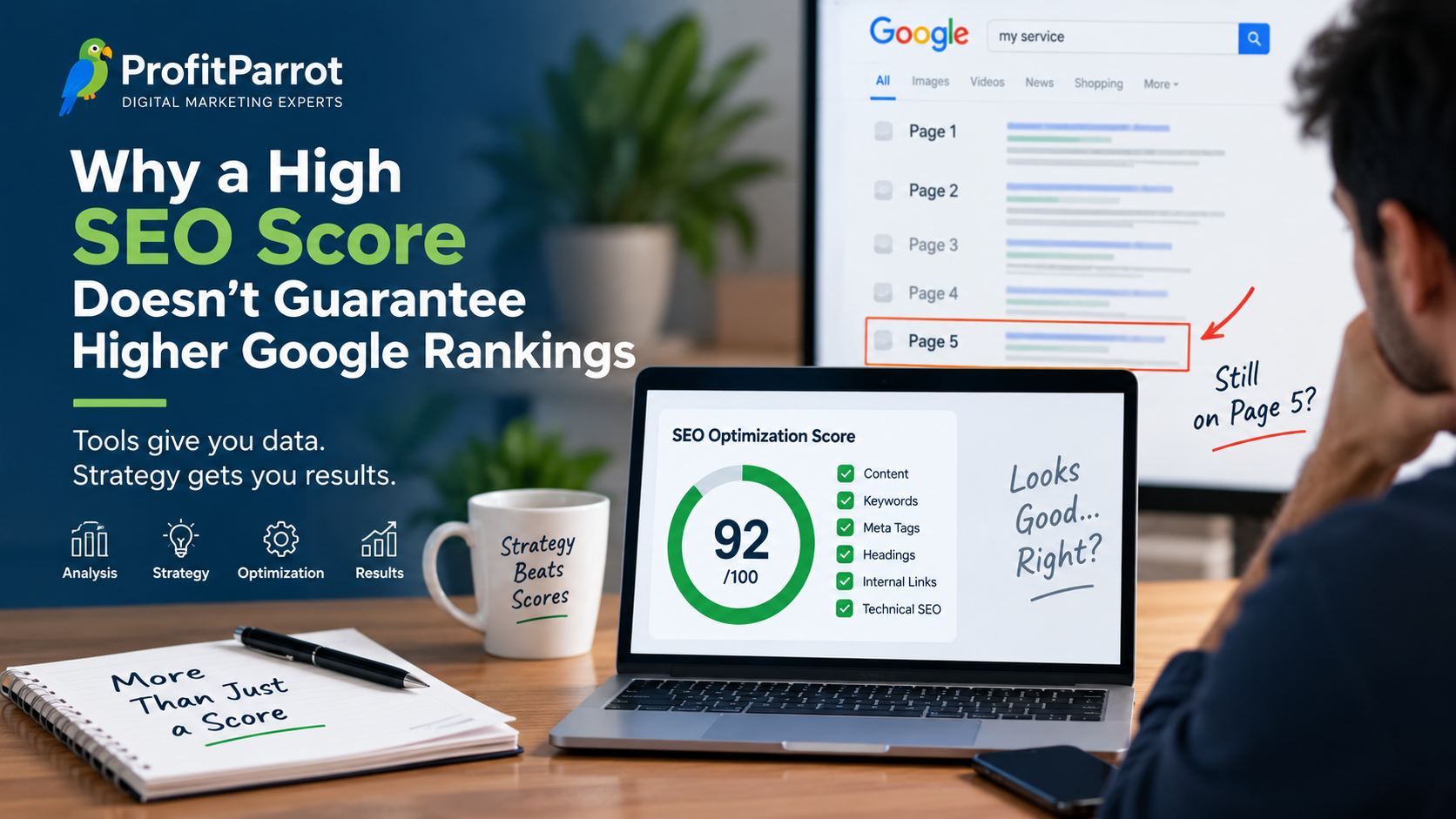
Traffic numbers look good in reports, but they rarely tell the full story. Sessions and page views don’t show whether visitors are engaging, returning, or converting. Businesses that chase traffic often optimize for the wrong outcomes.
Revenue, qualified leads, and customer lifetime value are far stronger indicators of success. Without tying traffic to these outcomes, growth remains disconnected from effort.
5. Content Without Strategy Attracts the Wrong Audience
Publishing content purely to increase traffic often leads to diluted messaging. Blogs rank, but they speak to audiences that aren’t decision makers or buyers. This creates a mismatch between attention and business goals.
Effective SEO content is built around a strategy. It supports commercial pages, answers high-value questions, and positions the brand as a solution rather than just a source of information.
6. Traffic Doesn’t Fix Structural Issues
Many businesses try to solve deeper problems by increasing traffic. Weak offers, unclear positioning, poor pricing, or lack of differentiation can’t be fixed by more visitors. In fact, more traffic often highlights these issues faster.
Growth comes from alignment between traffic, offer, messaging, and delivery. Without that foundation, increased visibility simply exposes gaps.
7. Sustainable Growth Requires Systems, Not Spikes
Traffic spikes are temporary. Algorithm changes, trends, and platform shifts can erase gains overnight. Businesses that rely solely on traffic volume often struggle with consistency.
Long-term growth comes from building systems that combine SEO, conversion optimization, content strategy, and performance tracking. Traffic becomes a contributor, not the goal itself.
Final Thoughts
Traffic is a starting point, not a finish line. Real business growth happens when visibility is paired with intent, trust, user experience, and strategy. Without those elements, even high-traffic websites can remain stagnant.
The most effective digital marketing strategies treat traffic as one component of a wider ecosystem designed to convert attention into outcomes.